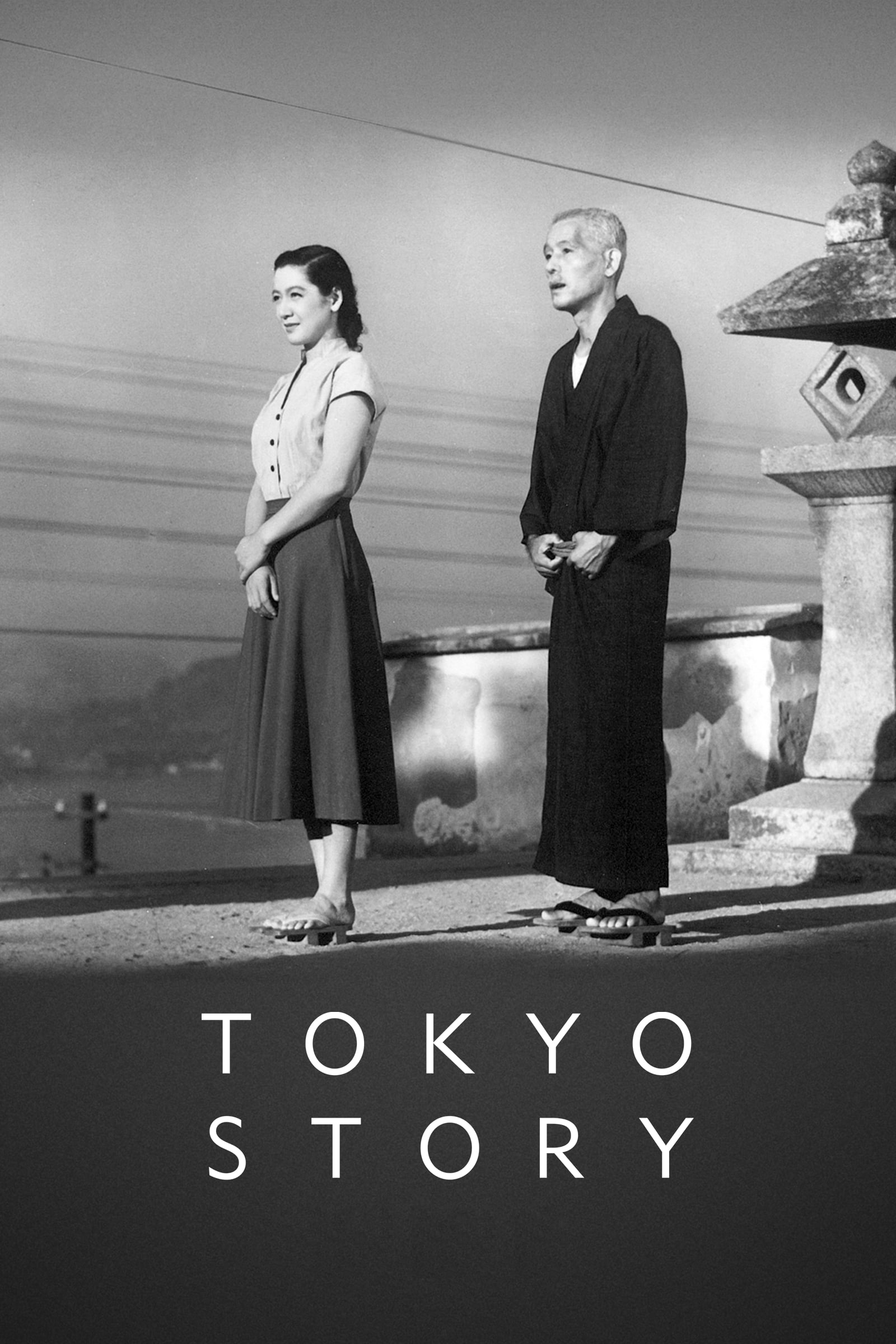
Shukichi is a retired father from Onomichi who travels to Tokyo with his wife, Tomi, to visit their adult children. He is disappointed by their lack of time, drinks with old friends, and later faces Tomi’s death. He remains in Onomichi, accepting the solitude of widowhood while expressing gratitude to Noriko.
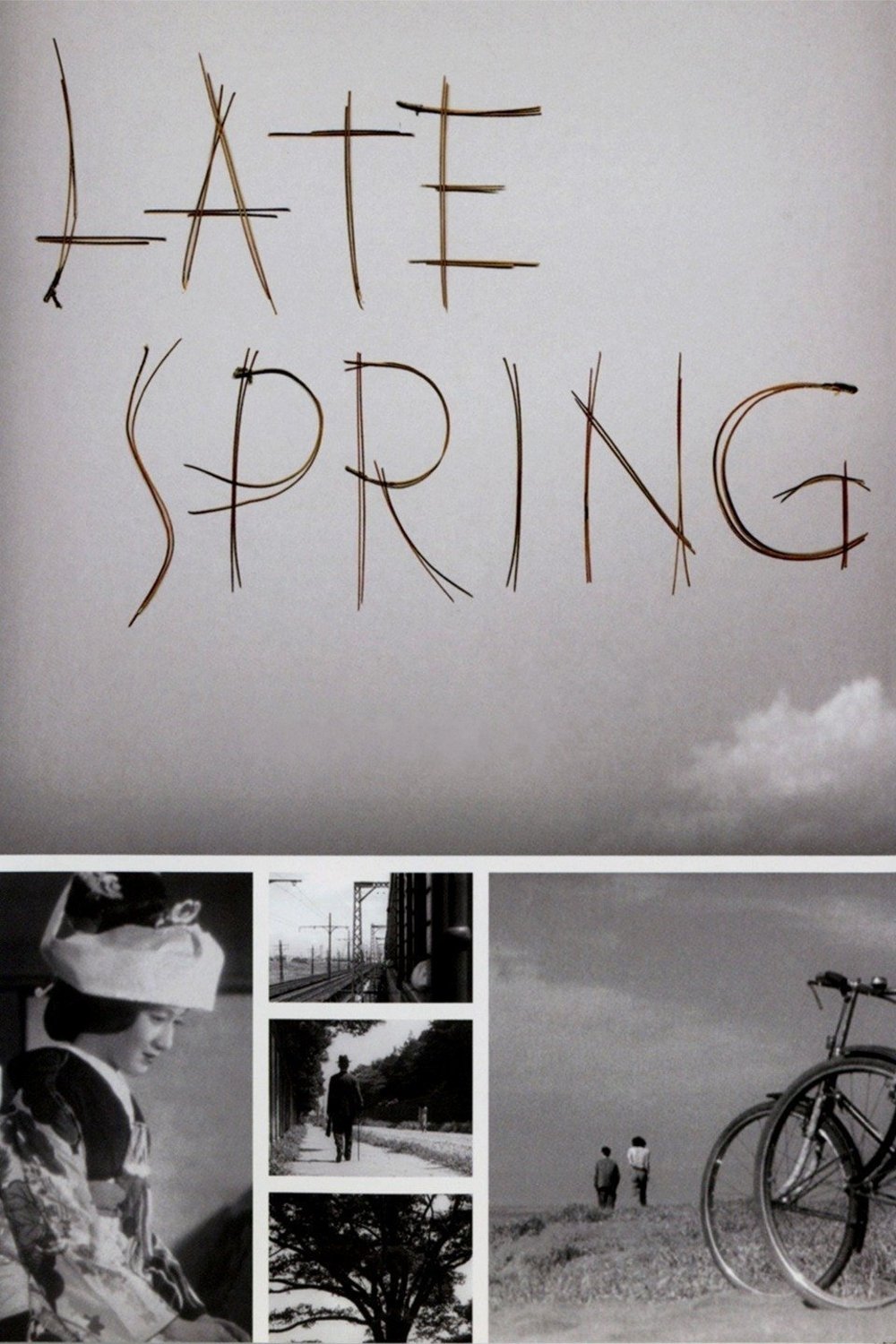
A widowed professor and devoted father who lives with his unmarried daughter. He encourages her to marry, falsely claims he intends to remarry a widow to persuade her, and ultimately returns home alone after her wedding.
Keitaro Hayashi is the boys’ father and part of the household affected by their demand for a television. When Minoru throws a tantrum, he asks the boys to keep quiet. Later, he and the family acquire a television, helping end the children’s protest.
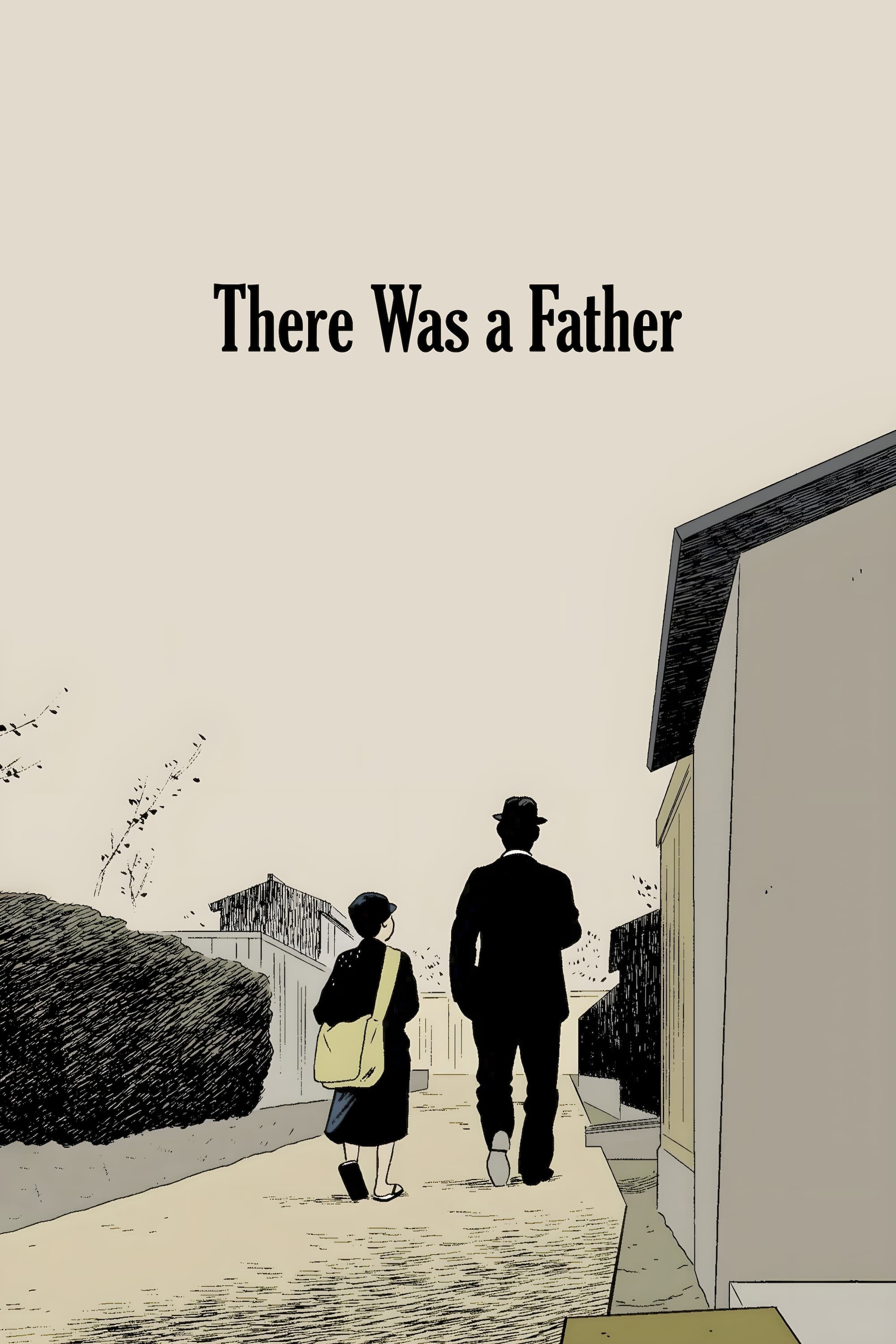
The widowed protagonist and former mathematics teacher. After blaming himself for a student drowning, he quits teaching and works as a Tokyo clerk to fund his son's education. He dies of a heart attack after a school reunion.
The older father who maintains a loving and serene household demeanor while upholding traditional expectations for his daughter's marriage.
Prime Minister tasked with leading the government, implementing the Emperor's decision to surrender, and containing the hardline military faction attempting to seize power.
A respected local figure and family friend who often advises, mediates, or comments on Tora-san's affairs.
Temple authority figure who offers spiritual guidance during festivals.
Another local religious figure providing spiritual counsel and community blessings.
Religious authority figure at local temples, often officiates matchmaking rituals or community ceremonies.
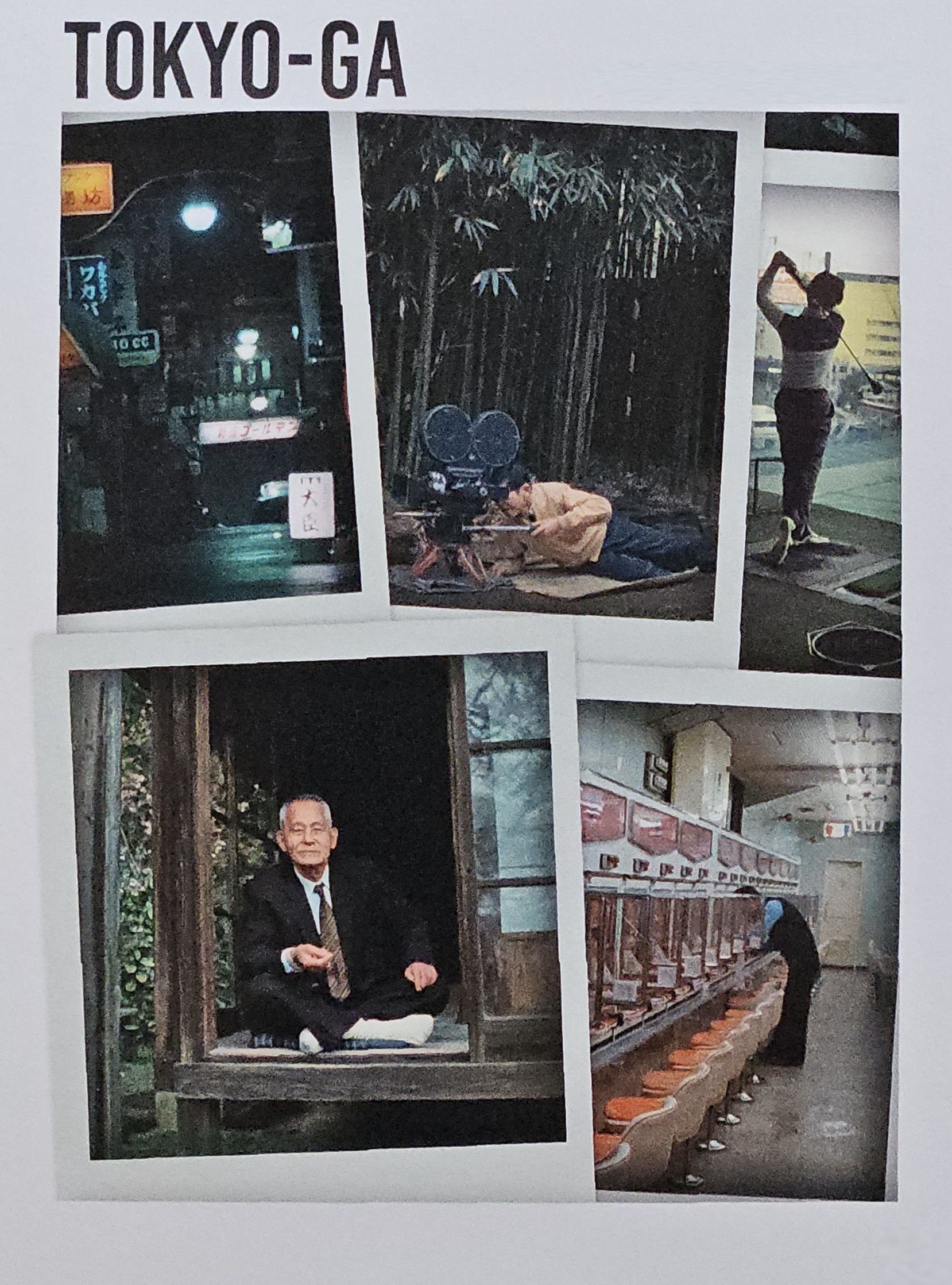
Tamio's father, who is involved in plans for a mental hospital in Odawara and is designated to become its first patient. The researcher describes him as paranoid and mentally ill, but Tamio rejects that diagnosis, believing his father sees the disorder in the world clearly. The researcher also suggests that losing the eyesight needed for his craft deeply affected him.
The Principal is the head of the local school and feels honored by Lily Carmen's presence as a celebrated artist. After the performance, he receives money handed over by Kin Aoyama's father and promises to use it to provide the villagers with an artistic education.
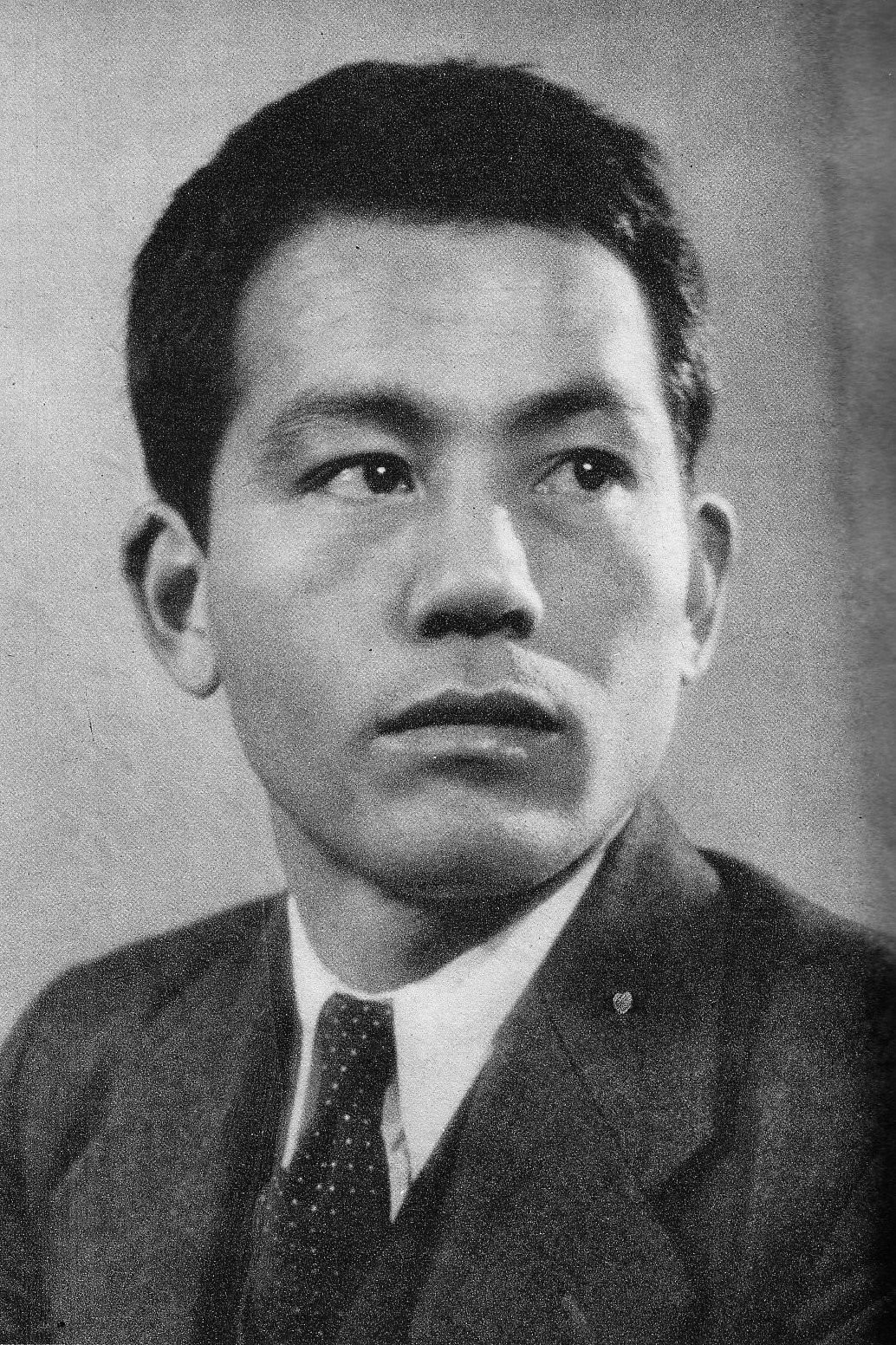
Chishū Ryū has 297 screen credits in a career dating back to 1928. Their work spans 9 cinematic universes — most prominently Tora-san Series with 46 titles. Signature works include Tokyo Story, Late Spring, An Autumn Afternoon. Explore the interactive character relationship maps on each title page to trace how their roles connect across franchises.
Universe traveler — spans 9 universes
Related entry on Wikidata (Q958714), public domain (CC0).