José María's mother, who runs the boarding house where he lives with Ángel, Mina, and his grandfather. She catches Ángel trying to obtain Mina's blood and attacks him with a shotgun. Ángel escapes, but Rosario is accidentally killed during the confrontation.
Amparo is a patron trapped inside the bar who helps support the group's effort to understand the quarantine and the danger outside. She is present when the situation becomes militarized, and armed men eventually storm the building and shoot her along with other members of the group.
Maritxu is Graciana's mother and one of the witches controlling the captives. She attempts to cook Sergio in an oven, participates in the group's violence, and survives the destruction of the goddess. At the end, she remains content to wait for José and Eva's relationship to deteriorate.
Paco's partner who lives in servitude on the estate alongside their family. Like Paco, she internalizes the daily oppressions and class humiliations, reflecting the passive endurance expected of rural dependents in 1960s Spain.
Dolores is an institutionalized woman whom Lara visits while investigating the faces reported in an old house. She says the faces appeared after she found burned bones in the cellar and dreamed that the dead asked for help. She warns Lara that Victor went to the house and that those who enter may not be able to leave.
Petra is the elderly woman whose sudden death sets the story in motion and whose funeral becomes the center of the family’s conflict. Her forceful personality, controlling behavior, harsh temper, and disputed plans for her possessions continue to shape the actions of Isabel, Segundo, María, and the other mourners.
Jose's elderly mother who remains at home while he works. She is deeply attached to a large crucifix she tore from her late husband's grave.
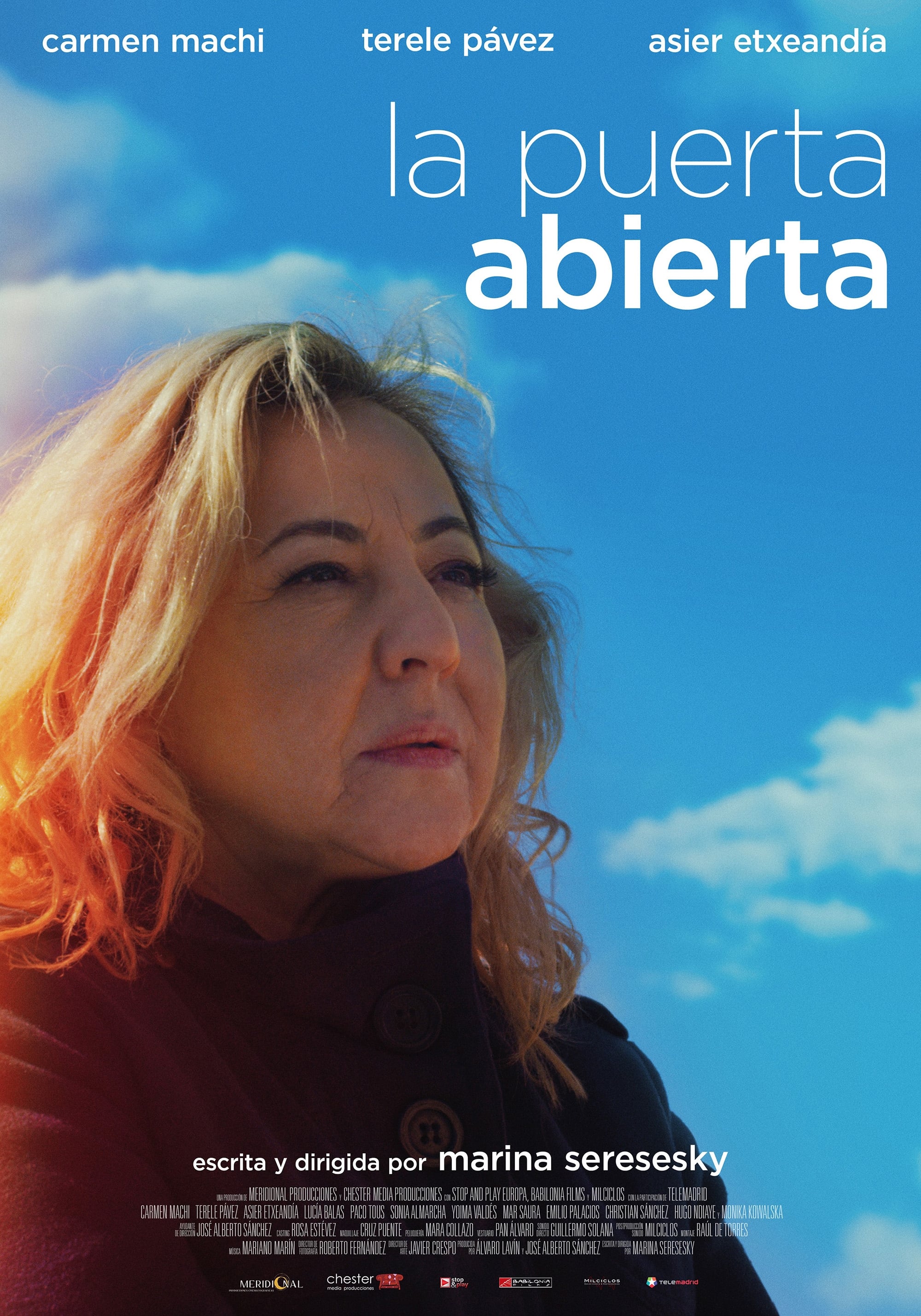
Antonia is Rosa's mother and a former influence on her life as a prostitute. An avid fan of Sara Montiel, she turns daily life into a difficult experience for Rosa and obsessively keeps her apartment door open because she fears becoming helpless. She rejects calling the police and persuades Rosa to care for Lyuba.
Pili is María José’s orphaned cousin and her close companion in imagining and writing adventurous stories. She travels with María José, shares the dangers of their invented episodes, and ultimately disfigures the masked killer after he attacks María José. Together, the cousins use fiction to escape the monotony of their lives.
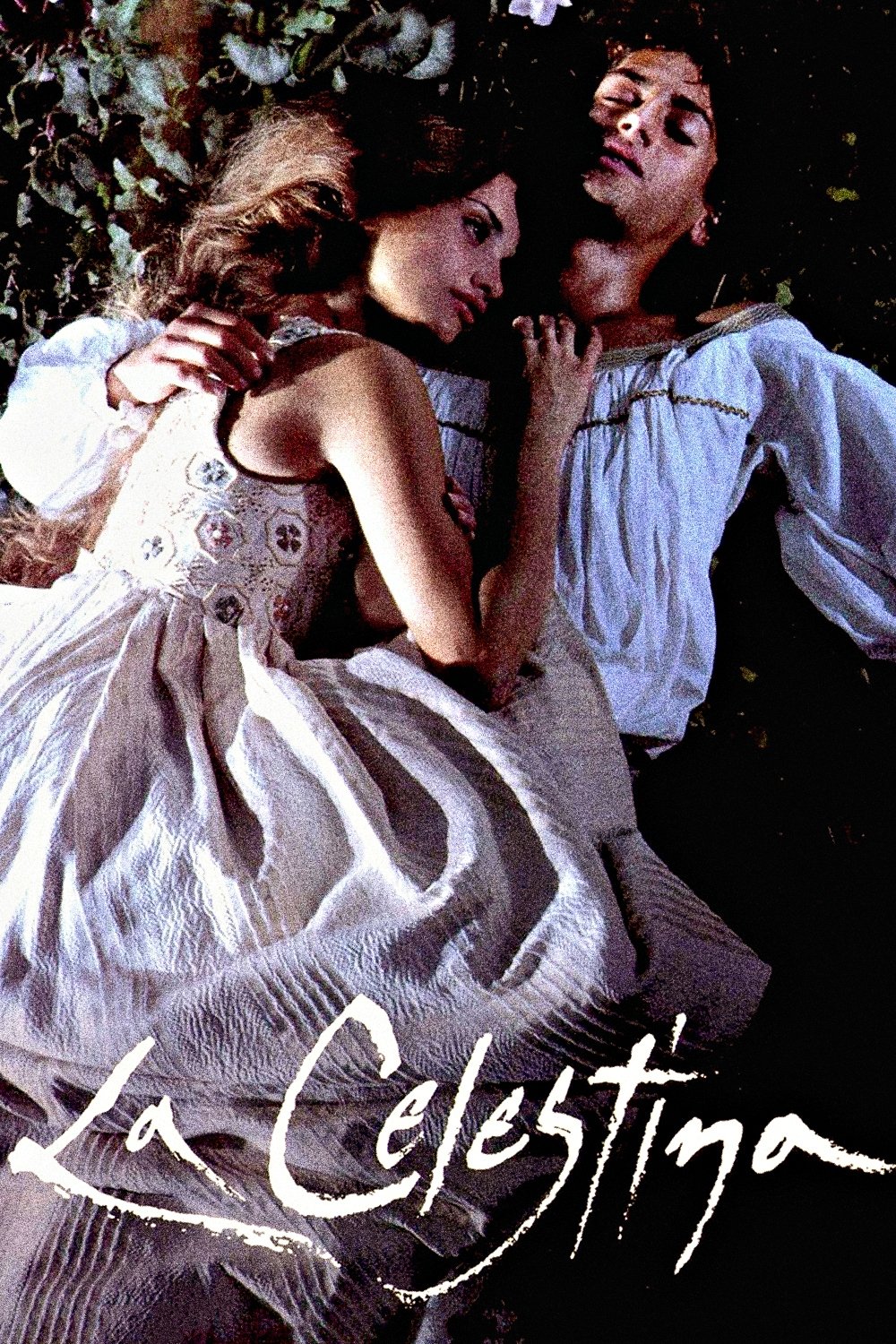
Celestina is an experienced old go-between who accepts Calisto’s reward to influence Melibea’s feelings. She uses a dark ritual and deception to advance the affair, while also exploiting Calisto’s wealth. Her greed leads her to refuse sharing the gold chain, causing Sempronio and Pármeno to attack and kill her.
Marginalized community figure with strong cultural ties and street smarts.
A local civilian figure in the Aragon region. The provided plot summary does not specify her role, interactions, or narrative function.
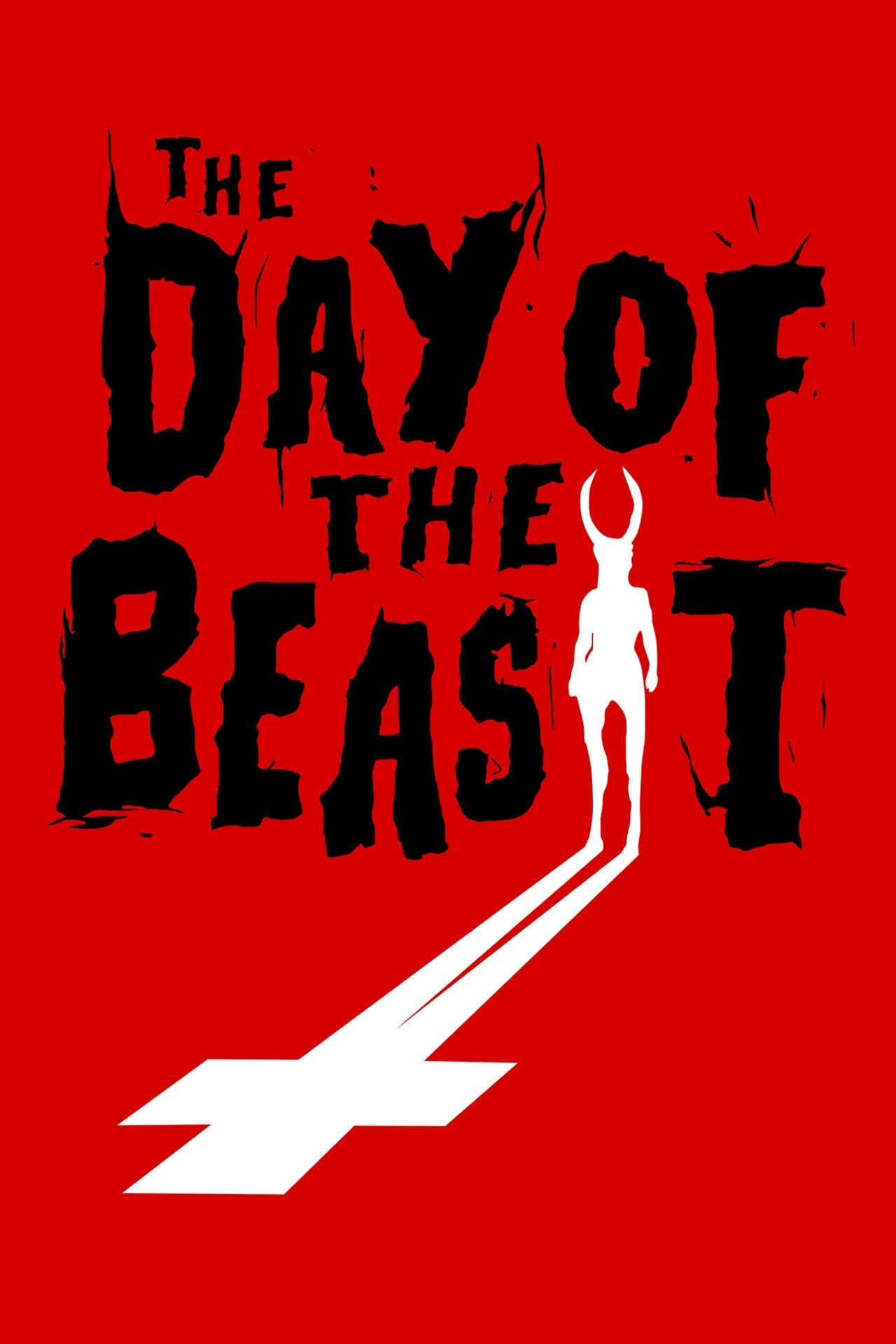
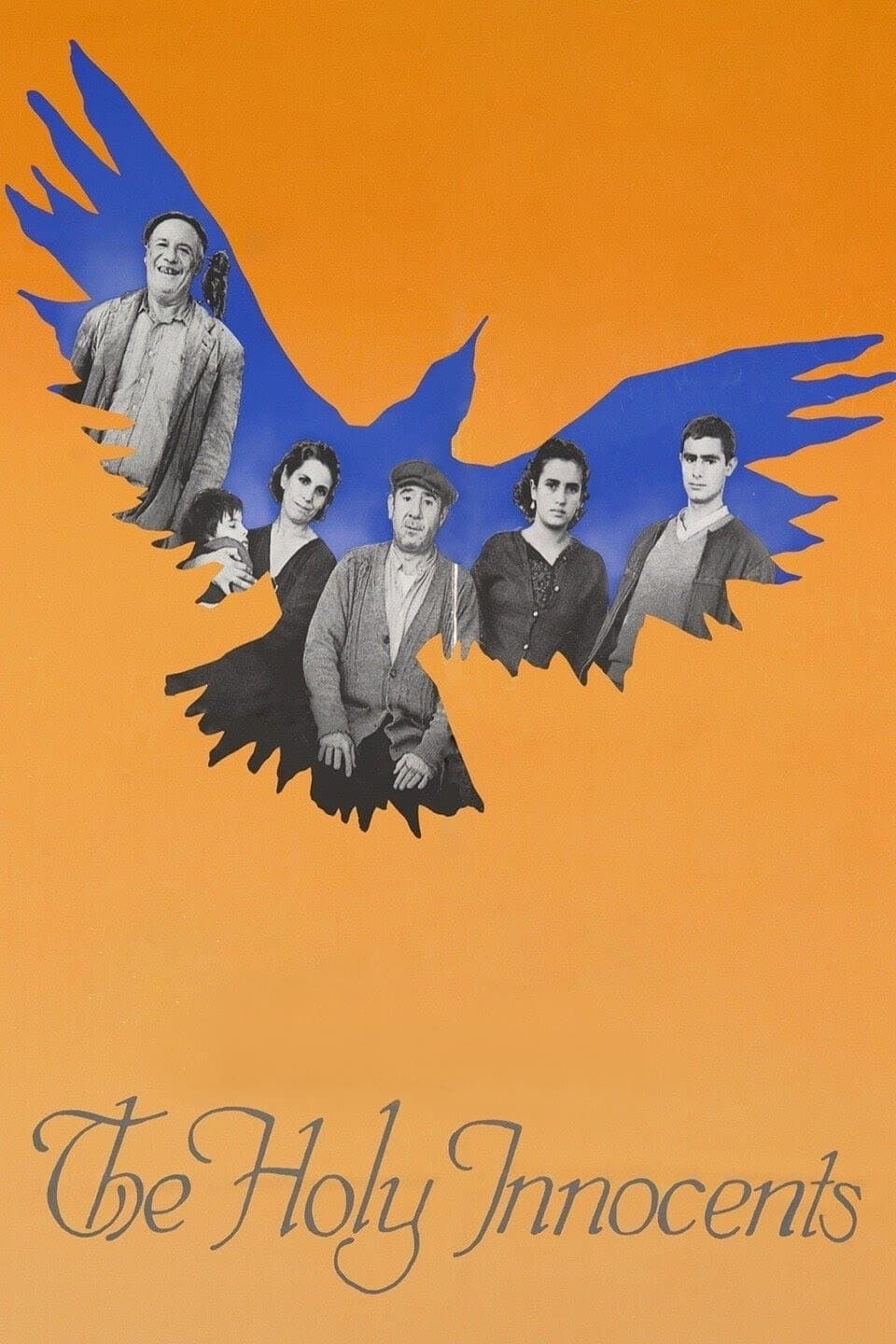
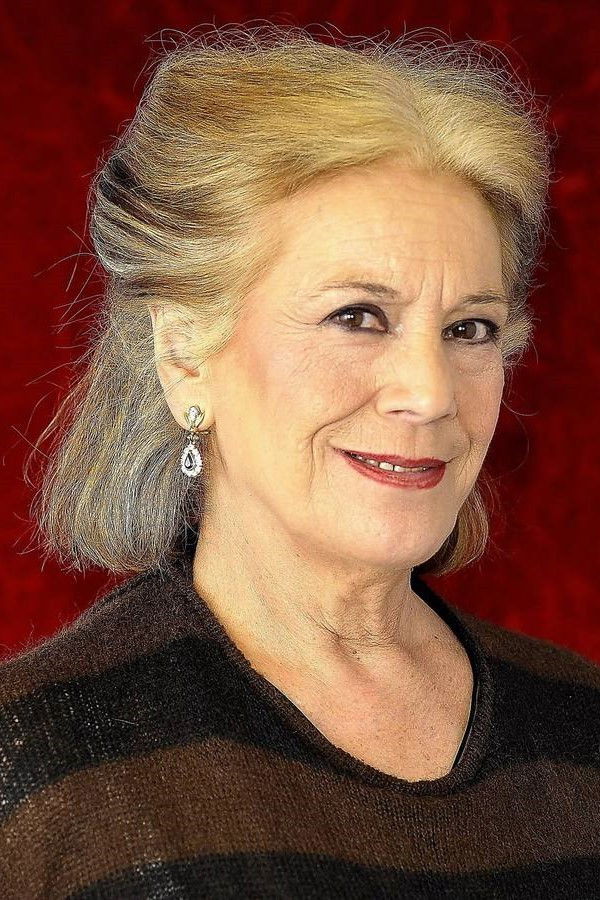
Terele Pávez has 65 screen credits in a career dating back to 1954. Their work is anchored in the El Lute Collection universe with 1 titles. Signature works include The Day of the Beast, 99.9: The Frequency of Terror, The Holy Innocents. Explore the interactive character relationship maps on each title page to trace how their roles connect across franchises.
Related entry on Wikidata (Q9086104), public domain (CC0).