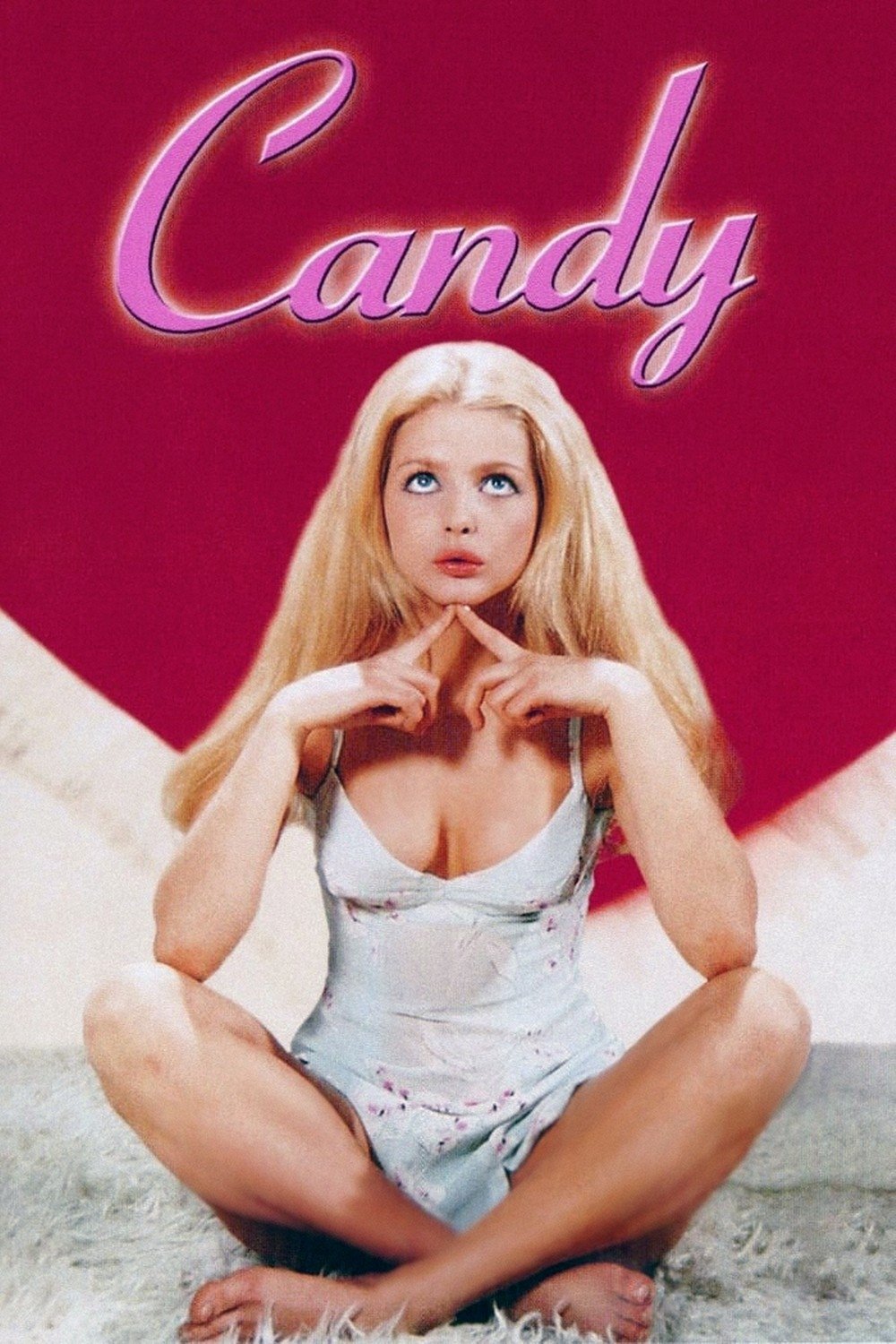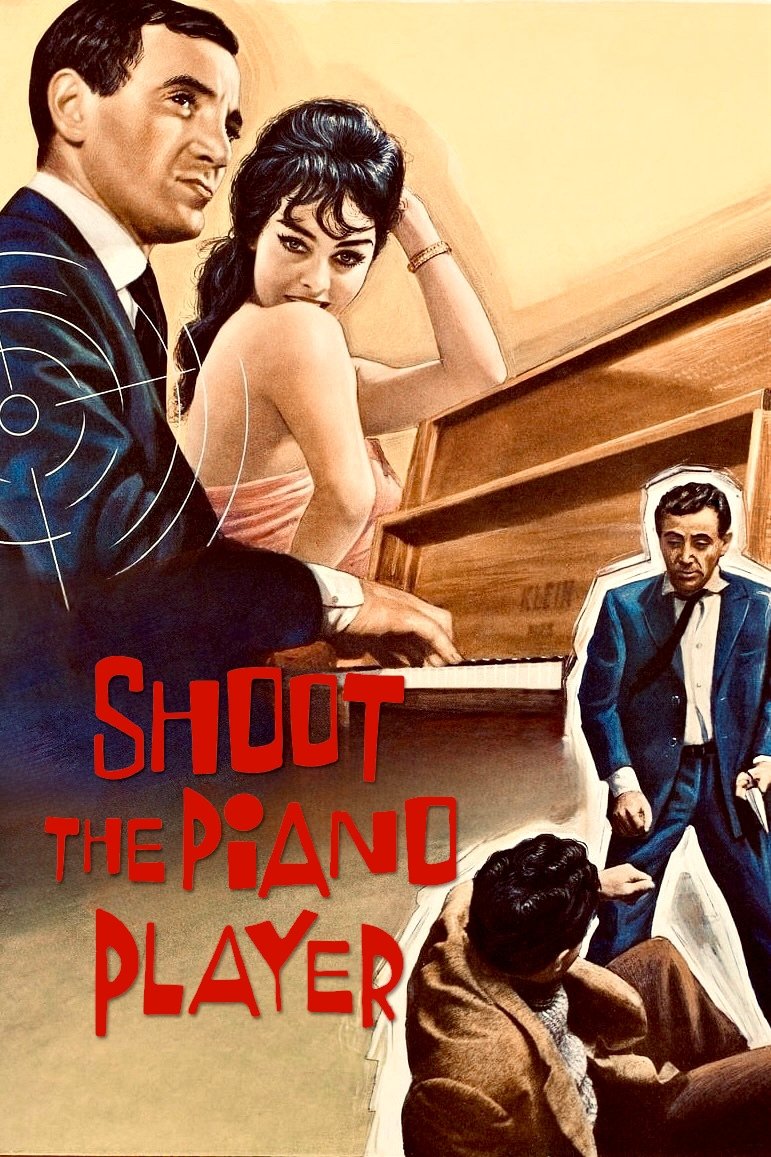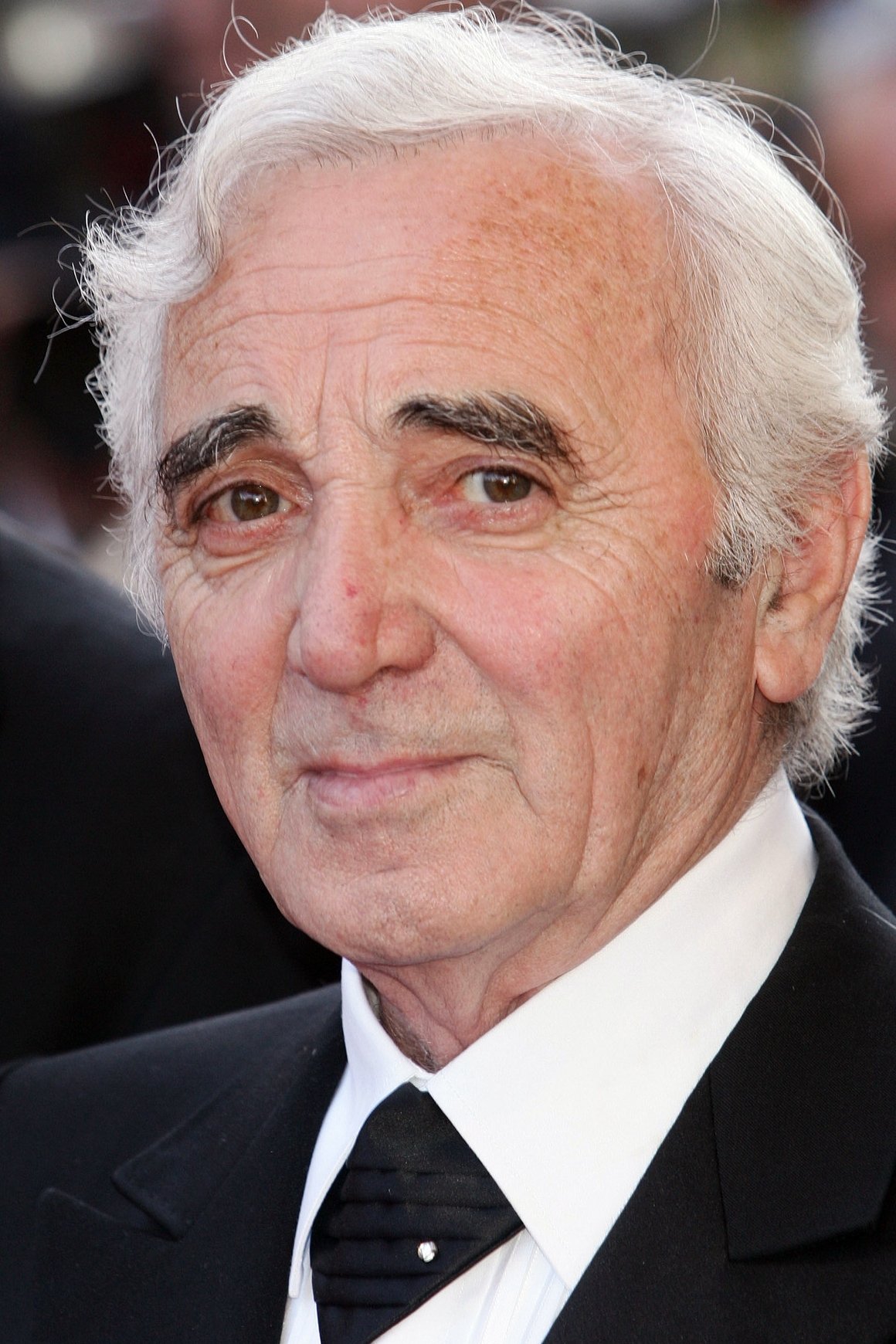
A character Candy meets in Central Park who takes her to a deserted mansion. He is part of a gang of thieves and subsequently assaults Candy on a grand piano before she escapes during a police crash.
Michel Raven is a singer and one of the invited guests at the hotel. While the group is still gathered together, he drinks from a poisoned glass and dies. His death begins the visible series of murders and immediately turns the guests' shared accusations into a life-threatening mystery.
An Italian prisoner among the trapped group. His sentimental nature contrasts with the grim reality of their situation, significantly influencing interpersonal relationships and group morale as they face entombment.
Central figure in 'Peccato nel pomeriggio'. A husband grappling with the psychological strain and societal pretensions surrounding his wife's infidelity. His character explores the quiet desperation and moral ambiguity of mid-century bourgeois marriage.
Edward Saroyan is an Armenian film director who comes to Toronto intending to make a film about the Armenian genocide, the Van Resistance, and Arshile Gorky. He hires Ani as a historical consultant and involves Raffi in the production, while casting Ali in a major historical role.
Denis is a Jesuit novice who leaves his order to avenge his sister after Garigny drives her into prostitution and drug addiction. He secretly alerts the police, then confronts Garigny while concealing a shotgun. Garigny takes the weapon and kills him, but is arrested for murder.
Inspector Nikolidis is the Greek police officer placed in charge of the kidnapping case. After a decoy radio signal and booby-trap operation kill several officers, including his nephew, he agrees with Jim McCabe that the kidnappers must be stopped and later directs a separate police assault on the monastery.
A curious onlooker who questions the poet, representing the public's fascination with the artist.
A son of Napoléon and brother of Antoine and Joseph, Horace introduces the Fabiani family's strong bonds of honor and loyalty. He opposes the inherited demand for revenge, arguing that the feud is destroying lives built in Paris, and protests when Antoine accepts the dangerous encounter.
Roger works in a bakery before being sent to war and captured in Germany. Imprisonment, forced marches, and news that his mother-in-law is seriously ill deepen his anxiety. After liberation, he struggles to restore his marriage, telling his wife that their long separation has left them emotionally and physically distant.
Kachoudas, le tailleur, is Labbé's Armenian tailor and next-door neighbor. He is the only person who suspects Labbé's murderous secret, making him the central threat to Labbé's outward respectability. When Kachoudas is dying, Labbé visits him and confesses the crimes.
Kramer is a police officer and the childhood friend of Robert, who grows up to become the criminal Dillinger. When Dillinger and his gang carry out heists in Paris, Kramer is tasked with capturing him. He follows Dillinger after he leaves Paris for the French Riviera, placing their former friendship against his police duty.
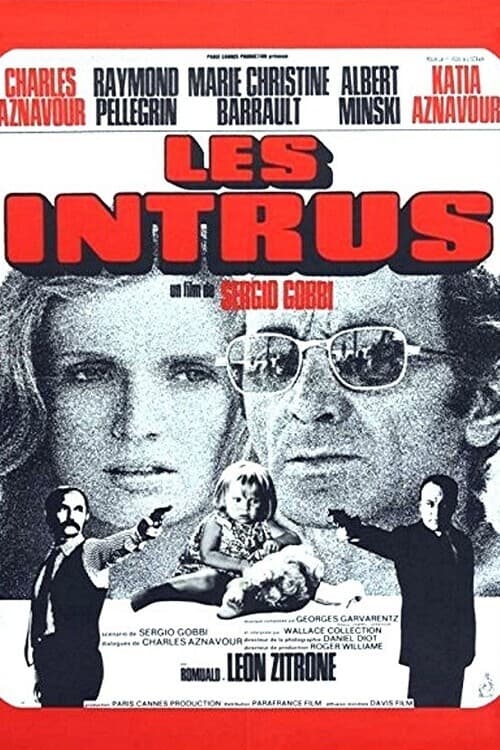
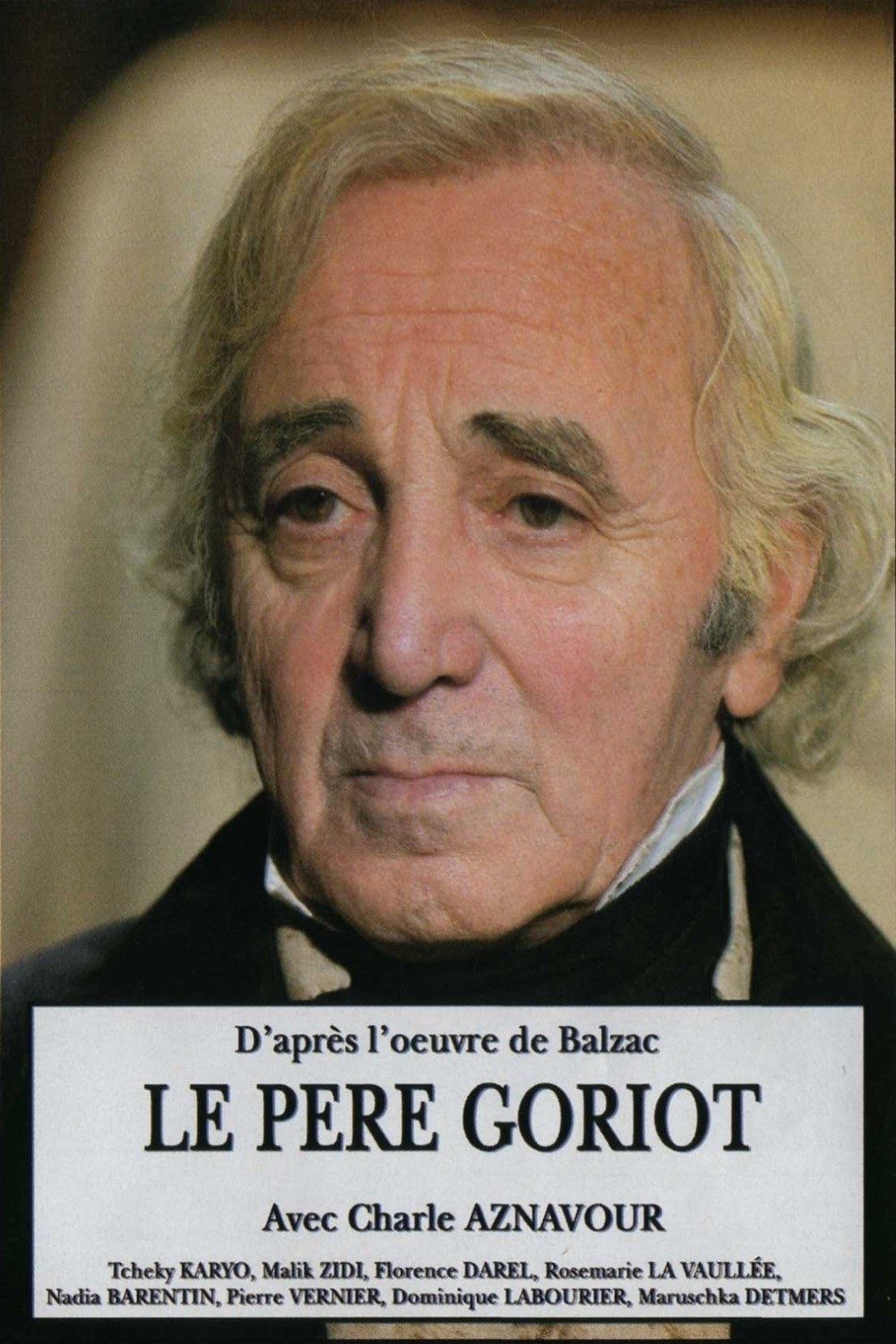
Charles Aznavour has 145 screen credits in a career dating back to 1936. Their work is anchored in the The Orphic Trilogy universe with 1 titles. Signature works include Candy, Shoot the Piano Player, La TV des 70's : Quand Giscard était président. Explore the interactive character relationship maps on each title page to trace how their roles connect across franchises.
Related entry on Wikidata (Q1785), public domain (CC0).