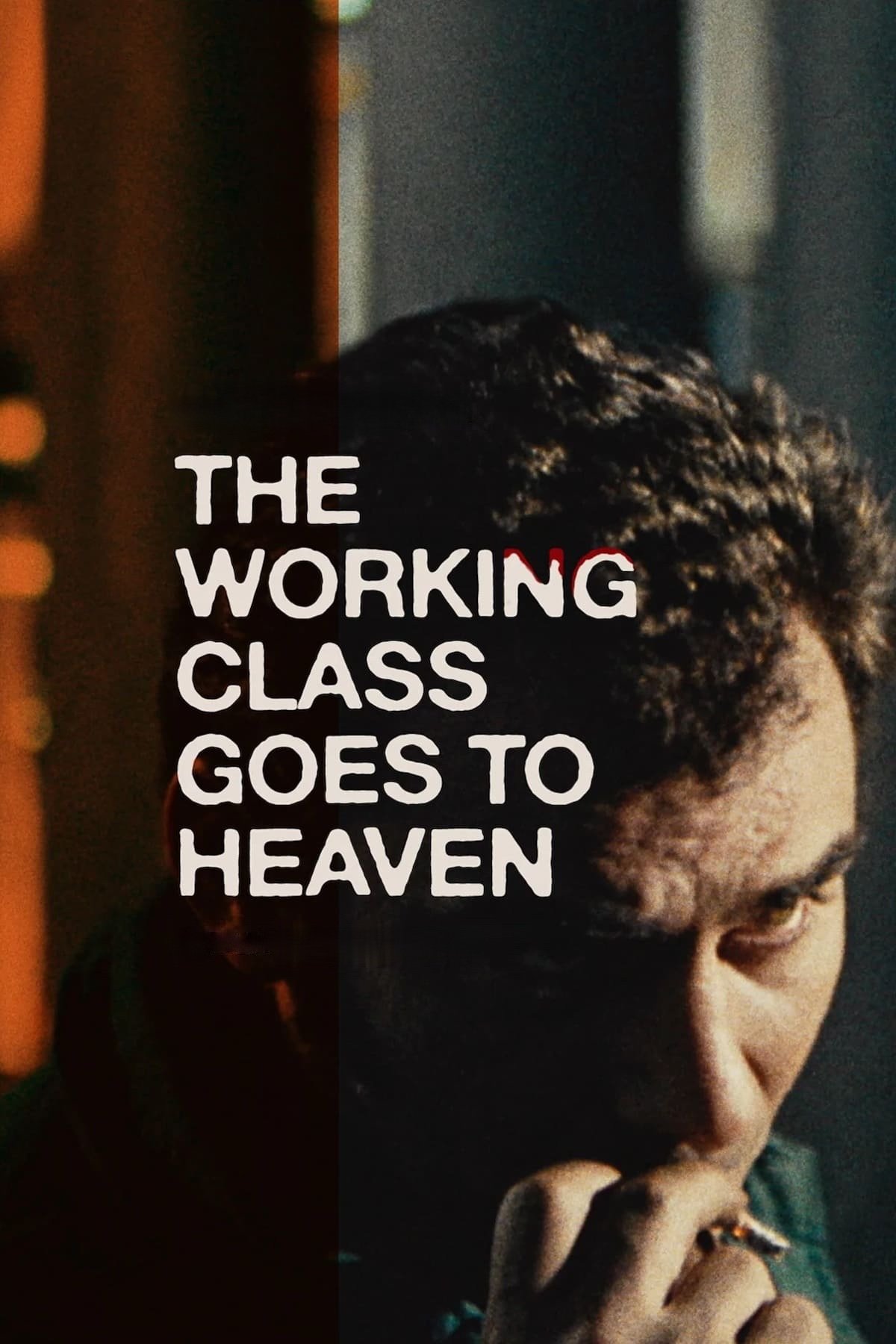
A former factory colleague of Lulù who has been confined to a mental institution after collapsing under harsh working conditions. He fantasizes about militant actions and breaking through a wall.
Enrico owns the old hotel where Bernard stays and is Irma's father. He is connected to the setting in which Tilde's death is investigated, and he becomes unhappy with Bernard's persistent questions and snooping. His reaction adds suspicion and tension to Bernard's effort to discover what happened.
Father of the murdered Antonio Roscio. Though initially opposed to his son's marriage to Luisa, he provides Laurana with Antonio's diary. Despite missing pages, the document reveals Roscio's fears and his efforts to gather evidence against corrupt officials, serving as a key catalyst for the investigation.
The presiding judge of the Viterbo Assize Court belongs to the later legal phase of the story, when the highest-ranking members of Salvatore Giuliano’s gang are tried and sentenced to life for the Portella della Ginestra killings. His role represents the state’s judicial response to the massacre.
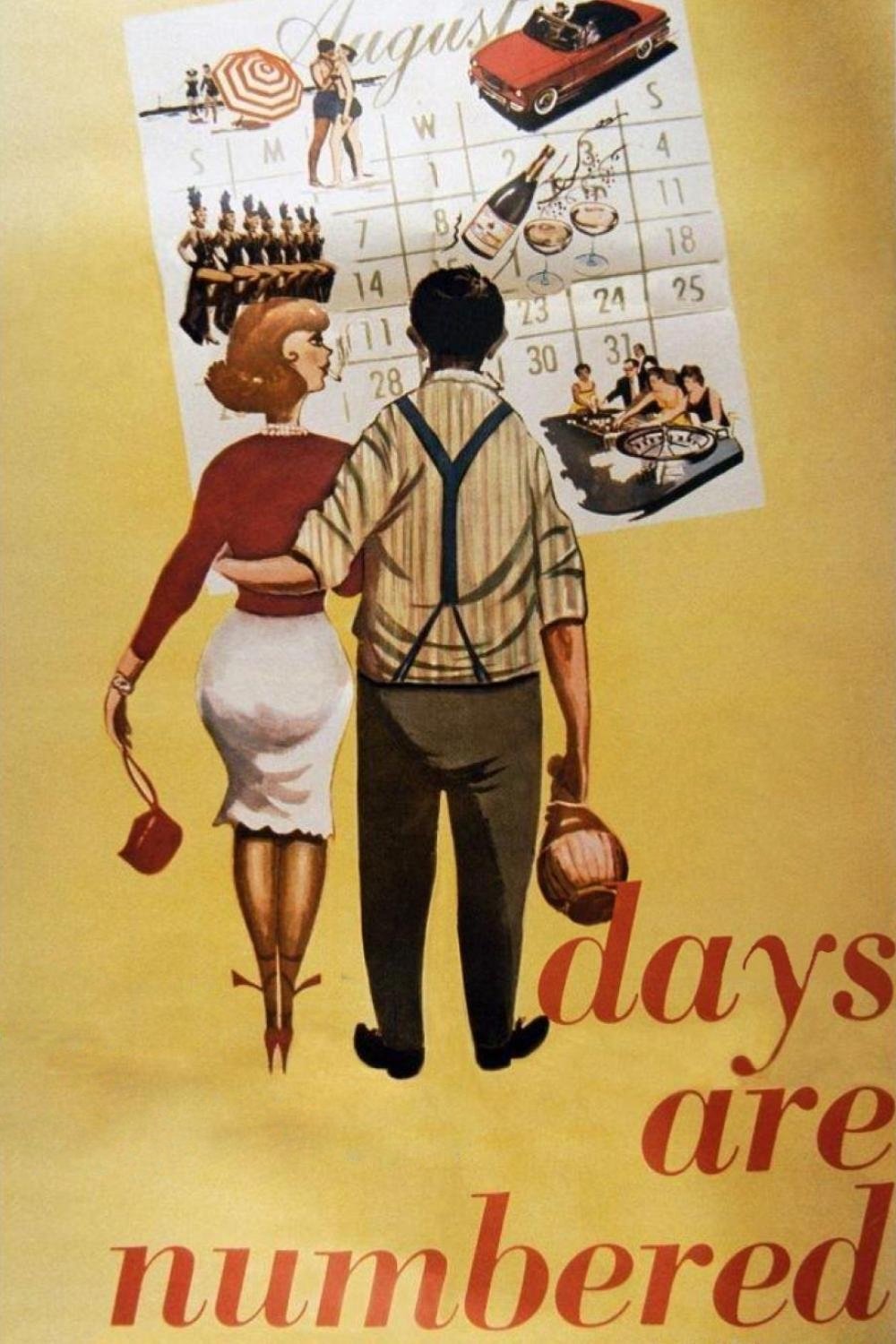
53-year-old widowed plumber who quits his job after witnessing a stranger's sudden heart attack on a tram. He attempts to reclaim his youth through various outings and reunions, but faces repeated disappointments. After briefly considering insurance fraud when broke, he ultimately returns to his daily routine.
A political figure who is elected mayor at the decisive council meeting with support from the centre. His election creates a new governing majority, but its stability is immediately threatened by the dispute over whether Nottola should receive a commissioner’s post, placing De Angelis at the center of the unresolved administrative struggle.
Scipio shares his home with Amneris and becomes part of the adult household Dora re-enters. Conversations about his work, travels, money, and absent wife expose Dora to complicated ideas about marriage, infidelity, and the compromises expected in respectable adult life.
Refers to the General of the Jesuits, a highly influential figure who wields significant power over the papacy. He reprimands Colombo for his courtroom defiance and later attempts to arrest him during a holy Mass, ultimately facing a direct spiritual refusal when Colombo denies him communion, symbolizing the Bishop's moral break.
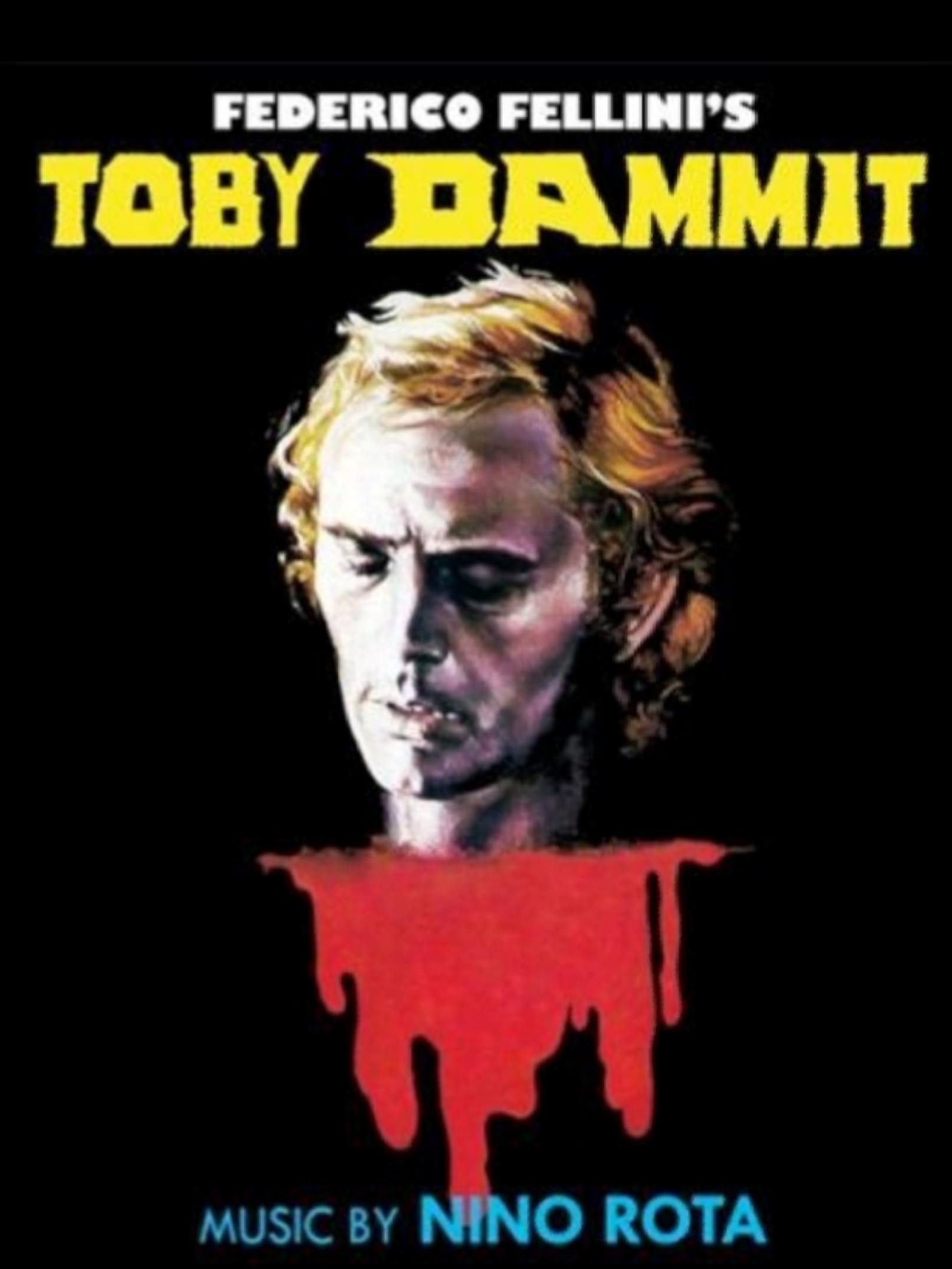
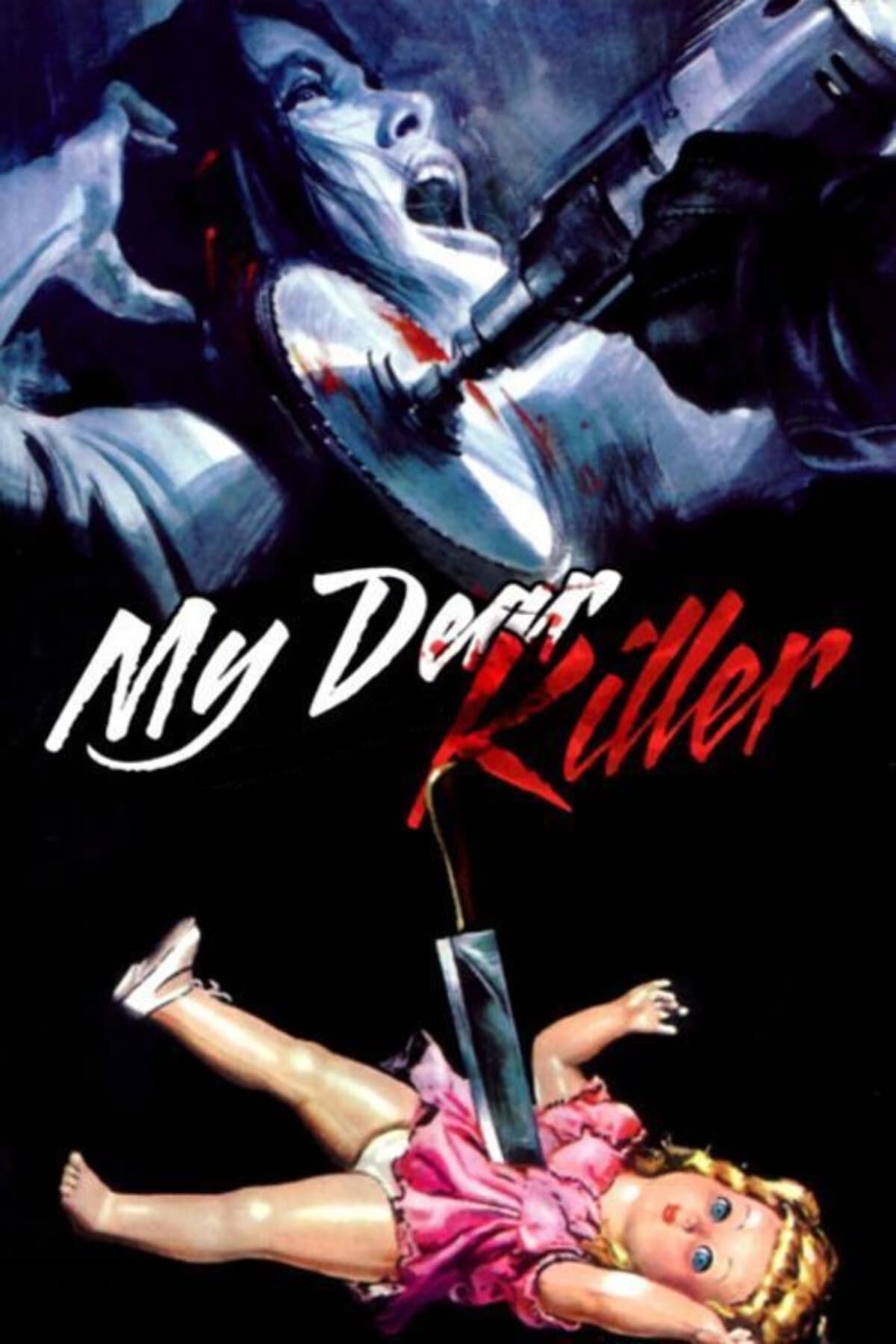
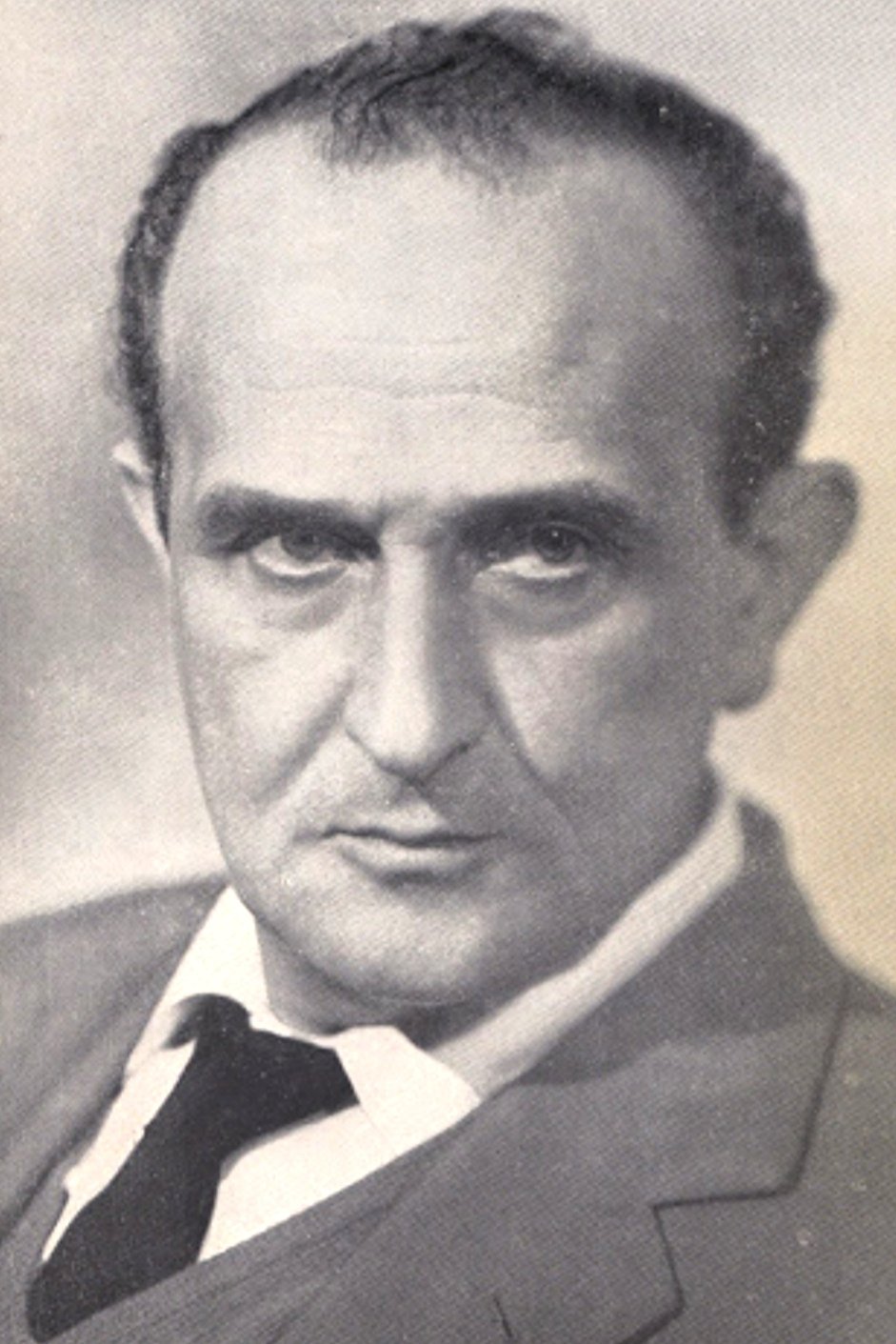
Salvo Randone has 50 screen credits in a career dating back to 1943. Signature works include Toby Dammit, My Dear Killer, The Working Class Goes to Heaven. Explore the interactive character relationship maps on each title page to trace how their roles connect across franchises.