A prosperous banker and head of the East Asia Bank, Koichiro Amemiya leads the family into which Yuriko is to marry. He informs Yusuke and Kyosuke about an impending general mobilization bill, and they conclude that the government is preparing for a wider war. The plot establishes his influence through both banking and his connection to the Godai family.
Makabe arranges for Jurota Makabe to be executed and for his head to be presented to the Iwashiro Clan. This decision intensifies the pressure on Jurota to confess despite his insistence that he is innocent. The supplied account does not explain Makabe's motives or further relationship to the other characters.
Noodle-making Master is a traditional ramen expert featured in a separate instructional vignette. He teaches an apprentice the proper way to eat ramen noodle soup, emphasizing the film's broader interest in technique, discipline, and the cultural practice surrounding noodles rather than directly affecting Tampopo's story.
Police detective orchestrating the undercover operation
Gosaemon is Osan's father and a force opposing Jihei's marriage. Angry about Jihei's affair with Koharu, he plans to take Osan back and later arrives at the shop demanding that Jihei write a divorce letter. When Jihei refuses, Gosaemon forcibly drags Osan away despite her resistance.
Ryugen Ryu is the protector under whose authority Uma Futori lives as the island’s chief shaman. His connection to Uma reflects the religious hierarchy governing her duties, including the order that she serve and comfort the visiting engineer. Through this relationship, he represents the customs constraining her personal choices.
The father of Yae Sugito who provides crucial historical context to the investigating detective, linking the present murder to the case from a decade ago.
Samurai or official caught in the crossfire of clan politics.
Priest who provides shelter or guidance to Zatoichi during his travels.
Yakuza patriarch and father of Katsutoshi, overseeing family operations.
A local hunter and Yuri's father. Along with his daughter, he is one of the few villagers who shows compassion to the persecuted Sonobe family. He actively assists Kieko and Yuri in their escape from the escalating mob violence.
Ushimatsu's uncle tells him that his father has died after being gored by a bull. This news brings Ushimatsu back to the memory of his last meeting with his father and the secret his father had urged him to keep: their family's burakumin background.
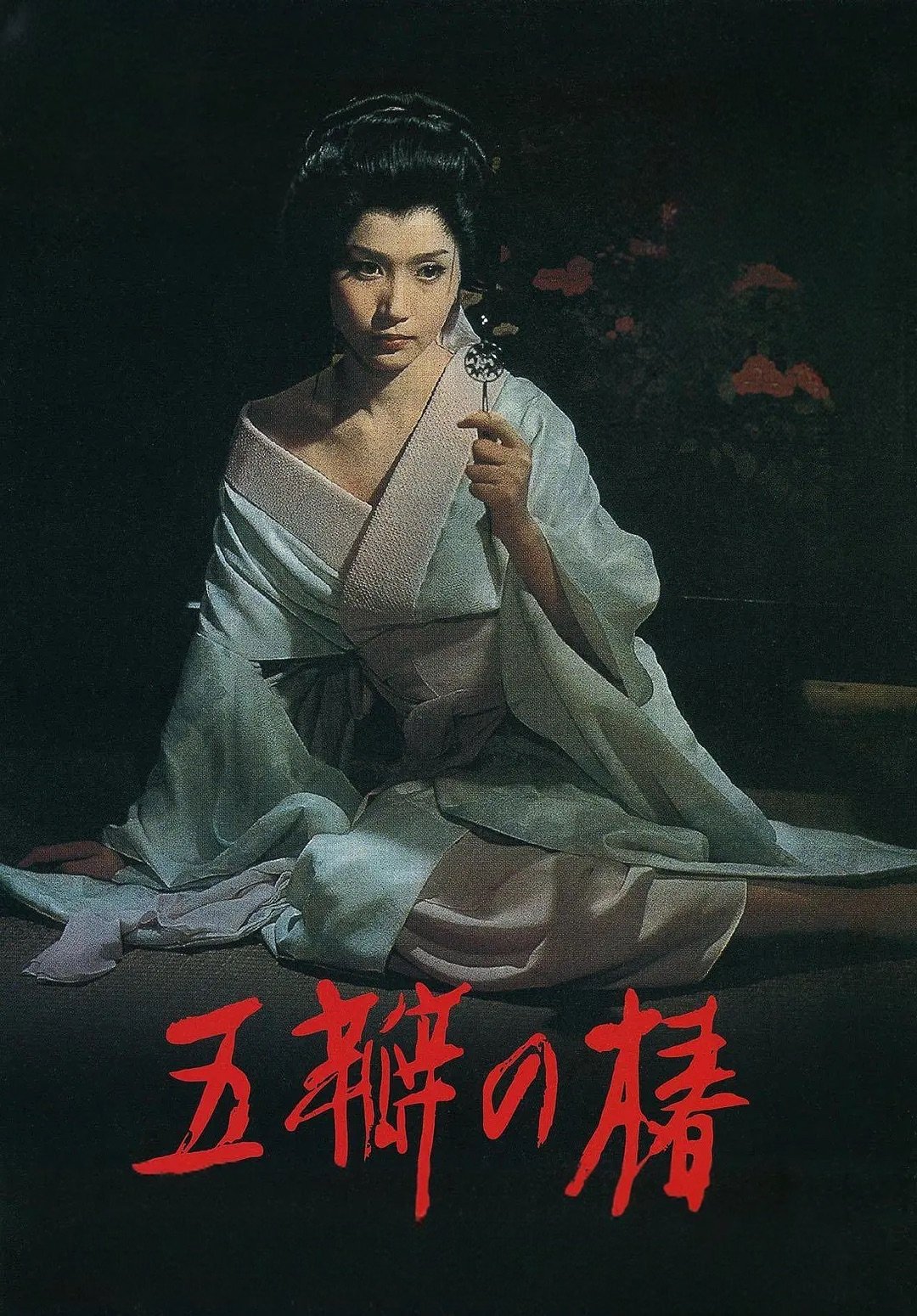
Yoshi Katō has 279 screen credits in a career dating back to 1948. Their work spans 26 cinematic universes — most prominently Police Precinct Collection with 7 titles. Signature works include Hometown, Sendō shimai, The Scarlet Camellia. Explore the interactive character relationship maps on each title page to trace how their roles connect across franchises.
Universe traveler — spans 26 universes
Related entry on Wikidata (Q5968767), public domain (CC0).