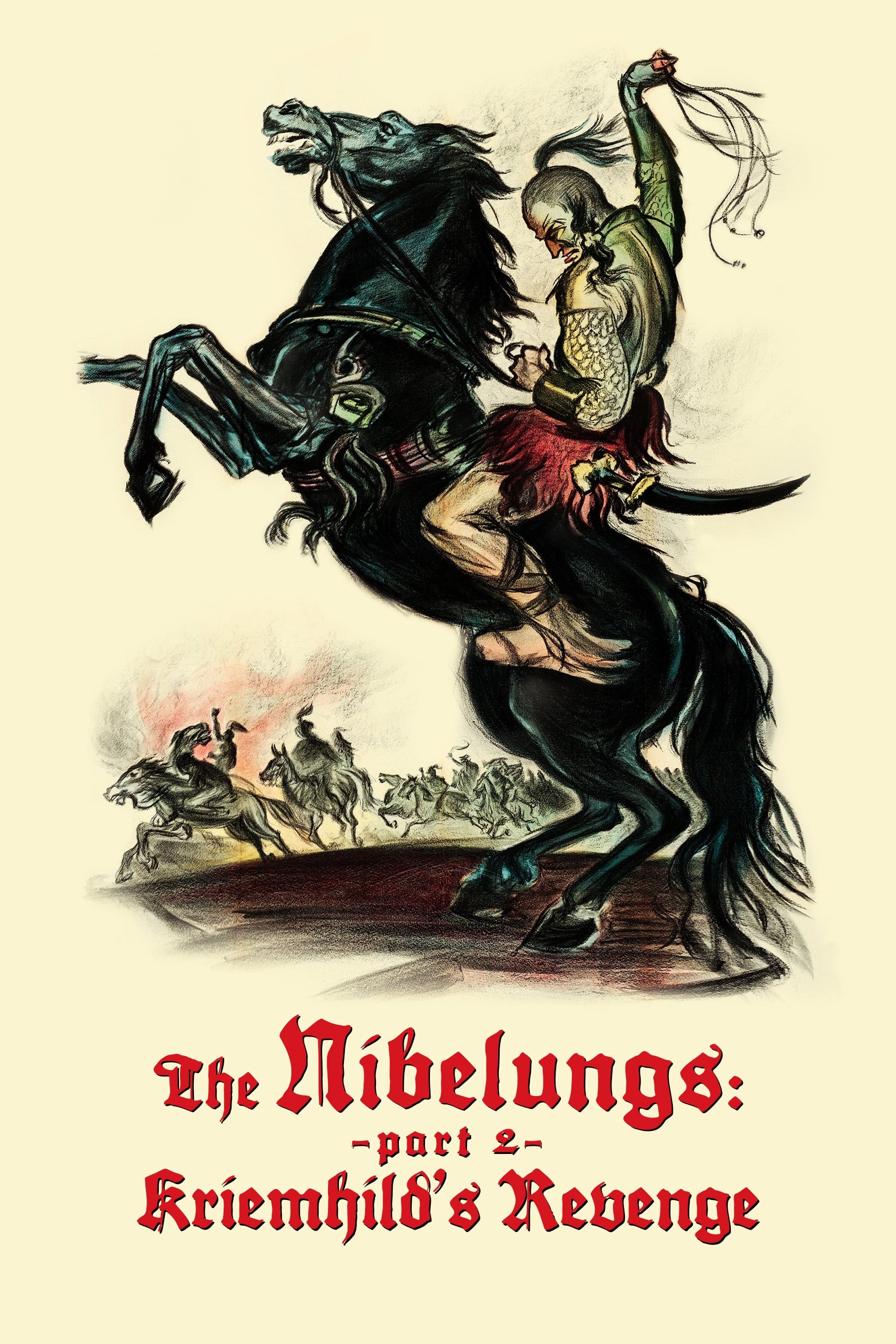
King Gunther is one of Kriemhild's brothers and a ruler among the Nibelungen. Kriemhild leaves without reconciling with him, yet later has him invited with the other Nibelungen to King Etzel (Attila)'s court. During the final attack, King Gunther and the surviving Nibelungen are trapped inside the burning hall.
King Gunther rules the Burgundian court at Worms and becomes Siegfried’s marriage ally. He wants Brunhild, but cannot defeat her contests without Siegfried’s secret help through the Tarnhelm. He marries Brunhild, yet Kriemhild later condemns him for allowing Siegfried’s murder.
Professor Baum's colleague who discovers Mabuse's crime plans and is killed.
A worker who is dismissed amid the weavers’ dispute over unpaid wages, rejected cloth, and reduced pay. His loss of work is one of the summary’s early examples of the workers’ worsening hardship. No further actions or personal relationships are specified, but his dismissal contributes to the desperation surrounding the revolt.
Dr. von Gudden is drawn into the dispute over Ludwig’s mental condition. Doctors’ claims of advanced illness and paranoia become the basis for arguments to remove the king, though the plot notes that his opponents rely on files rather than personally examining Ludwig. His connection to the crisis places him on the medical side of the conflict surrounding Ludwig’s confinement.
Dr. Carpis observes Balduin speaking to his reflection and offers to make him rich enough to pursue Julia. He demands that Balduin first rid himself of the sentimental dreamer within, and the reflection then disappears. Later, he urges Balduin toward a more reckless life, making him a key influence on Balduin's transformation.
Cassio is a soldier whom Othello selects as his new lieutenant, a choice that makes Iago bitterly jealous and prompts him to scheme against the general. The plot identifies Cassio as loyal to Othello, placing him in an important position within the conflict between Othello and Iago.
Fritz is Albert Peters's brother, returning from abroad shortly after Albert marries Elena. A letter from Fritz declares his love for Elena and urges her to divorce Albert. The letter becomes part of the growing conflict: Elena says she cannot hand it over, and later denies sending it when Albert receives it.
Professor Obereit is involved in arrangements concerning Peter while the child is living apart from Hanna among people connected to the Garvenberg household. His involvement places him in the dispute over Peter’s care, as Hanna seeks to reclaim her son and others argue that the boy is settled with his new family.
The central character, Schiller is a gifted young student who hopes to become a pastor but is sent to the Karl School under the duke's authority. He writes poems and a play in secret, defies restrictions to see The Robbers performed, and ultimately escapes rather than submit his writing for approval.
A successful orchestra leader who marries Loo and later encounters the dead composer's completed score among his belongings. Though he first agrees to help publish it, he claims the composition as his own when a professorship is at stake. He eventually gives Loo the score, and its success accompanies his recovery and appointment.
Osborne is an officer whom Stanhope regards as calm and capable, and selects to lead a reconnaissance raid. Raleigh accompanies the mission, which succeeds in bringing back a captured enemy soldier and useful information, but Osborne is killed by a hand grenade. Stanhope grieves for him and promises to ensure he receives the Military Cross.
Theodor Loos has 149 screen credits in a career dating back to 1913. Their work spans 7 cinematic universes — most prominently Die blonde Frau des Maharadscha Filmreihe with 2 titles. Signature works include M, Metropolis, The Peak Scaler. Explore the interactive character relationship maps on each title page to trace how their roles connect across franchises.
Universe traveler — spans 7 universes
Related entry on Wikidata (Q96469), public domain (CC0).