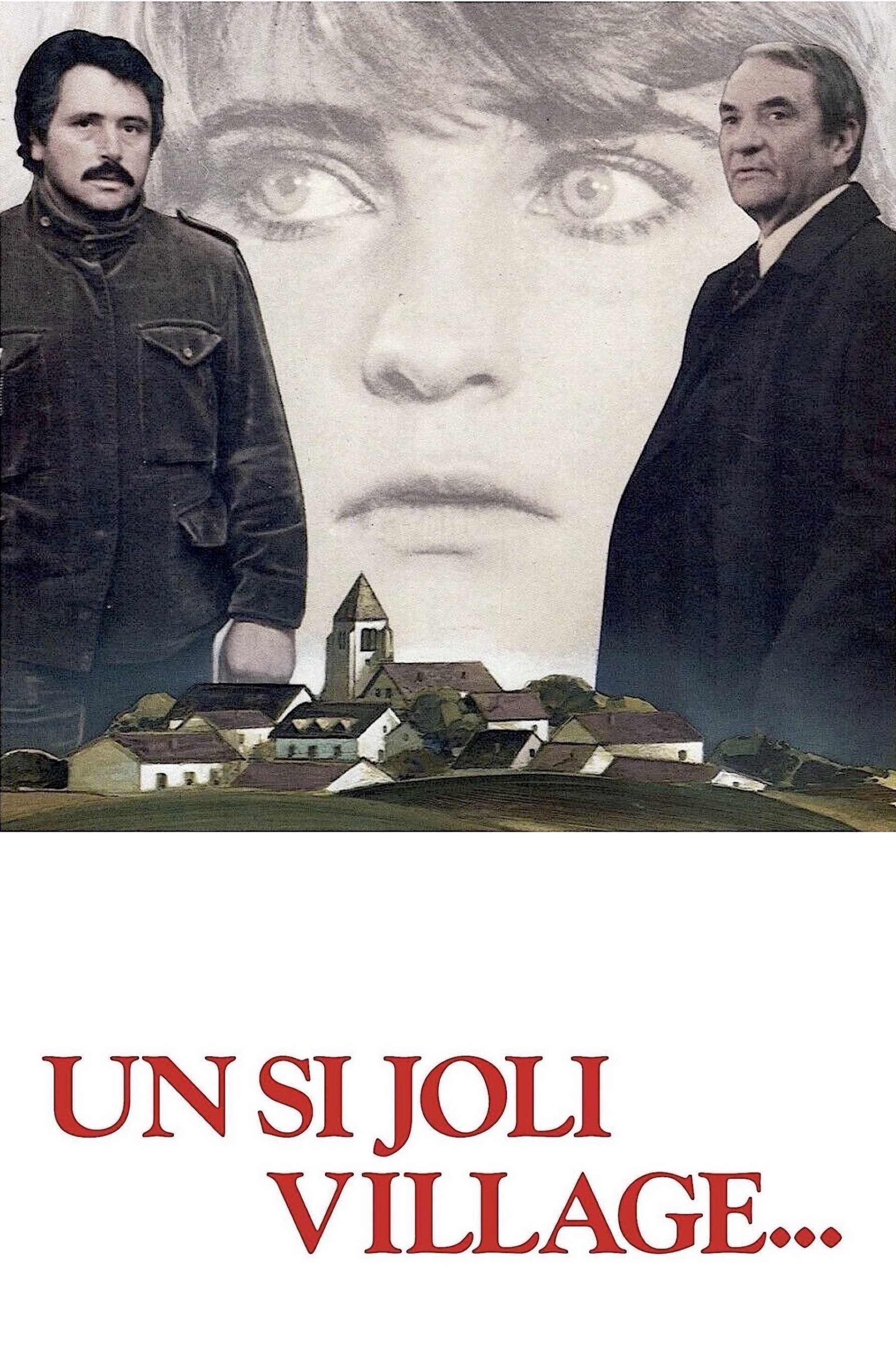
Noblet is the judge investigating the disappearance of Stéphane Bertin’s wife. He questions Stéphane, examines the woman’s room, and probes the couple’s troubled relationship. He also challenges Stéphane’s explanation of the head wound and the blood and hair found on a candlestick, noting that the evidence could support several accounts.
A resourceful and loyal servant who assists the protagonist through danger and uncertainty.
Scipion is a man from Marseille and a former army comrade of Mangeclous. He joins the Valeureux clan in Marseille as they travel toward Geneva in search of the promised treasure. The plot summary identifies his connection to Mangeclous and his place in the journey, but gives no further actions or characterization.
D'Artagnan's loyal servant, resourceful and brave.
Intoxicated local guard, provides comic or cautionary moments.
Loyal friend who suffers a breakdown from the spy events and seeks truth.
The central protagonist and antagonist. A Parisian cafe owner who becomes obsessed with Brigitte Colin during a family vacation. He violently assaults and accidentally kills her, participates in a vigilante raid against Algerian workers, lies to cover up the truth, and is ultimately shot dead by a victim's brother.
Socrate investigates Chim's movements by contacting Lily and gathering information through Maggy and Snake. He learns about Chim's money, threats, and violence toward women, then reaches the compound too late to prevent bloodshed. During the armed confrontation, Socrate begs everyone to stop and calls the violence a family tragedy.
The director's husband is drawn into the chase when his domineering wife compels him to steal a tanker truck. He follows the supervisor and the two young passengers across France, enduring a chain of mishaps and misunderstandings. In the film's emotional climax, he and his wife finally acknowledge their genuine feelings for each other.
Hunchbacked third brother who took over the family business; suspected of orchestrating multiple deaths including Genevieve's, he denies involvement and becomes the primary target of the academics' investigative article.
An arms dealer connected to a prominent family, Rudnik speaks openly with Georg about weapons and expresses hostility toward Palestinians. His remarks expose Georg to one of the conflict’s competing positions and contribute to the journalist’s struggle to understand the violence without reducing it to material for a report.
The pharmacist is a creditor and authority figure in the opening confrontation. He refuses to extend Rose-Marie’s credit because she already owes money, including for candles, while her household lacks gas and electricity. His refusal humiliates her and escalates the argument until André arrives and the dispute becomes violent.
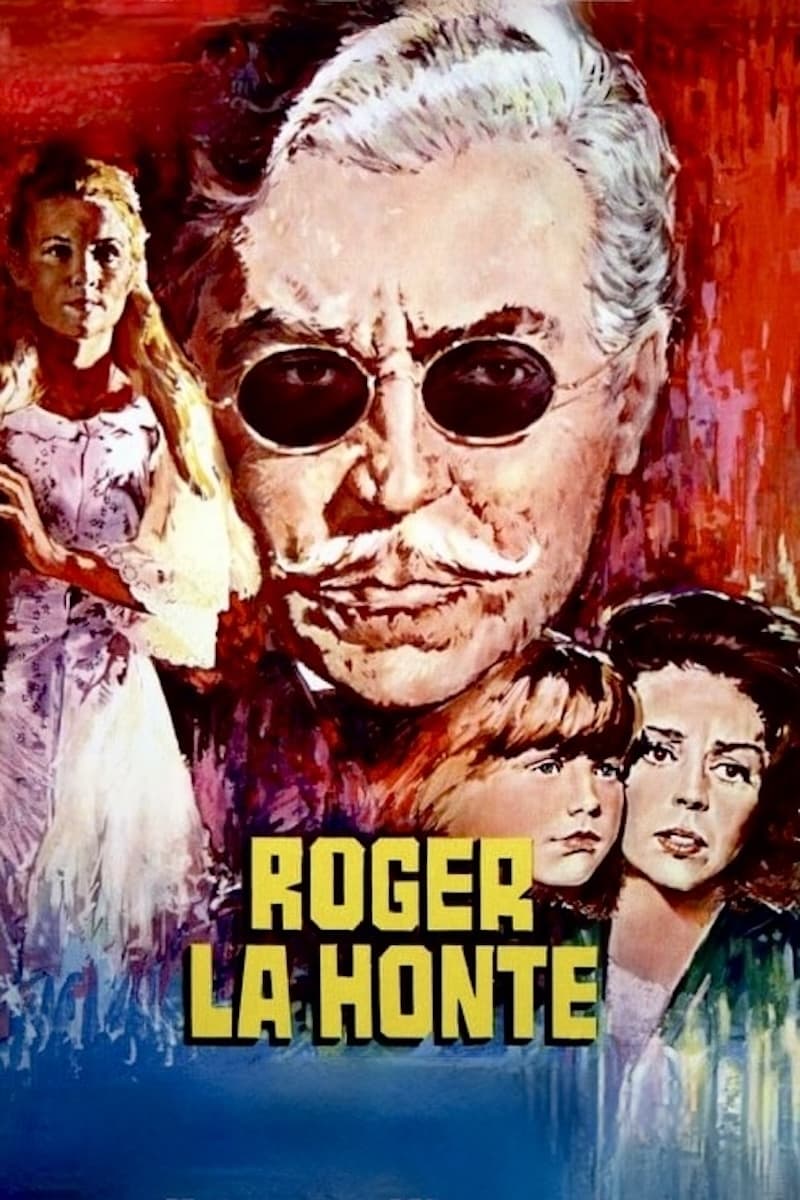
Jean Carmet has 183 screen credits in a career dating back to 1941. Their work spans 6 cinematic universes — most prominently The Tall Blond Man Collection with 2 titles. Signature works include The Novices, The Cabbage Soup, Un si joli village.... Explore the interactive character relationship maps on each title page to trace how their roles connect across franchises.
Universe traveler — spans 6 universes
Related entry on Wikidata (Q639888), public domain (CC0).