Not featured in the provided plot summary. The summary outlines a post-apocalyptic narrative that does not include this character.
A modern-day janitor who time-travels to 15th-century Tuscany with his friend Saverio. He struggles to adapt to the Renaissance but falls in love with Pia. Later travels to Spain to help Saverio, encounters Leonardo da Vinci, and becomes romantically involved with Astriaha in the extended version.
Tommaso is Cecilia's young fiancé and owns a restaurant near Castel dell'Ovo. His relationship with Cecilia deteriorates because of her jealousy and suspicion, but he tries to restore their connection with help from white magic. On their wedding day, he realizes his love is gone and chooses to meet Cecilia at a cafe instead of attending the ceremony.
Shy Neapolitan protagonist who leaves his provincial hometown and factory job to seek a new life in Florence. He falls in love with Marta, faces uncertainty over her pregnancy, temporarily returns to Naples for clarity, and ultimately chooses to return to Florence and accept her child.
A frustrated man who feels burdened by family expectations, comparisons with his successful brother, and an unsatisfying life. He is defensive about his weight and rejects advice from his family. His relationship with Anna is affectionate but troubled, and he ultimately considers leaving because he feels emotionally empty.
Protagonist and barber from Acquasalubre who suffers psychosomatic paralysis due to love for Vittoria. After healing, he hides his recovery to protect his friendship with Orlando. He attempts to set up Orlando with Anita, travels to Rome for patents, and is wrongfully imprisoned for a joke about Mussolini. After two years, he is released, investigates a misunderstanding in Paris, and ultimately reunites with Vittoria.
The theater's projectionist and a loyal supporter who plays a crucial role in Jordan's quixotic attempt to keep the Splendor operational.
A performer featured in a staged rehearsal involving Fusco and Amaniero. The theatrical performance blurs acting and reality, including a fake strangulation used to test the threatening message's sound and modulation.
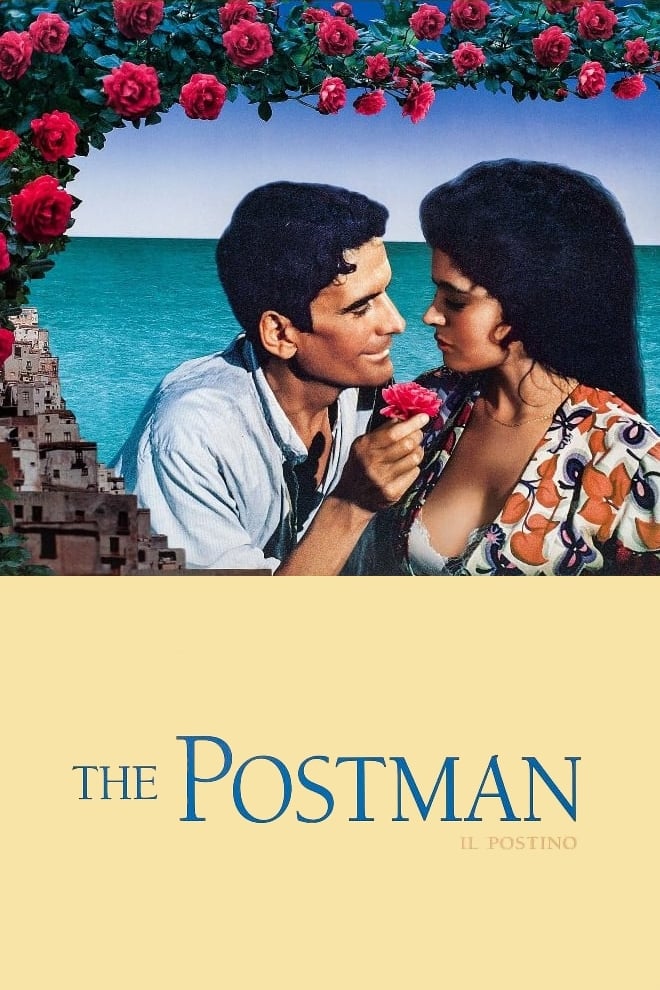
Massimo Troisi has 38 screen credits in a career dating back to 1981. Signature works include The Postman, What Time Is It?, I Thought It Was Love. Explore the interactive character relationship maps on each title page to trace how their roles connect across franchises.