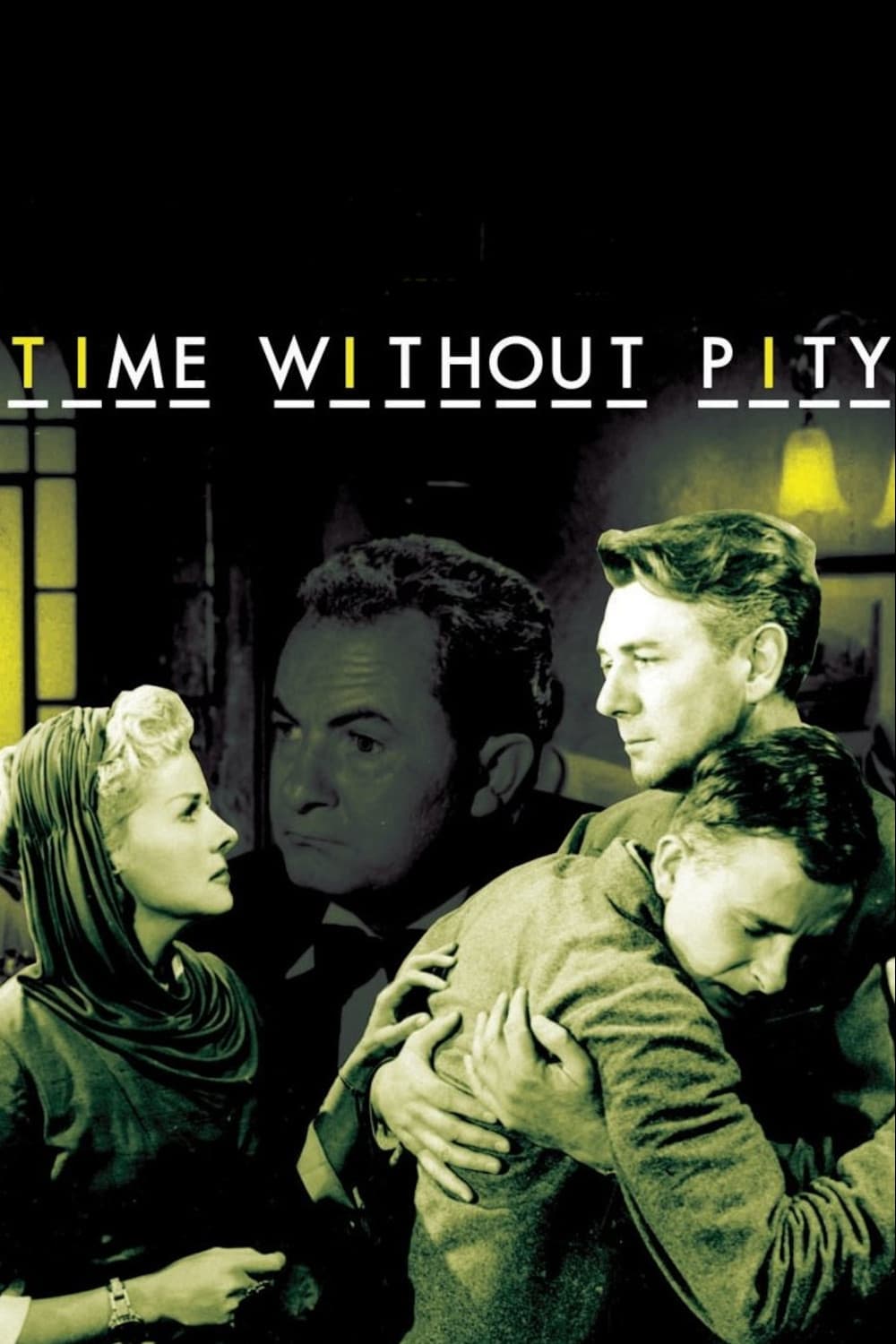
A recovering alcoholic and absentee father who returns to England with only one day to save Alec from execution. Convinced of Alec's innocence, David investigates the murder, confronts potential suspects, resists renewed drinking, and ultimately risks his own life to expose Robert's guilt and redeem himself as a father.
Polonius is Ophelia's father and a figure whose concern is drawn into the conflict surrounding Hamlet's apparent madness. Hamlet mistakenly kills him, an event that leads Ophelia to go mad and becomes a cause of Laertes' challenge to Hamlet.
Thomas Fowler is a British journalist and Phuong's former lover. He investigates the political and explosive-materials conspiracy while hiding his continuing attachment to Phuong. Although married, he seeks a divorce, lies about receiving it, and becomes connected to the events surrounding the American's death.
Ageing classics master at an English public school, forced into retirement due to ill health. He struggles with feelings of failure as a teacher and despise from staff and pupils, worsened by his wife's infidelity. His emotional turning point comes when a pupil gifts him a translation of the Agamemnon with an inscription honoring him as a gentle master. He delivers a candid farewell speech admitting his failings, receives enthusiastic applause, and contemplates completing his own translation.
An American architect and widower who builds a wing of reconstructed murder scenes at his estate. He suffers from a recurring psychological compulsion to kill his wife, triggered by lilacs and locked doors, which he struggles to suppress until Celia's intervention helps him confront his childhood trauma.
An ethnomusicologist and clarinet player, Gilbert initially clashes with Iris over the noise from his room. He later believes her account, identifies evidence of Miss Froy's presence, helps expose the conspiracy, fights alongside the passengers, commandeers the locomotive, and develops a romantic relationship with Iris.
The Headmaster is the retiring leader of Brookfield School in 1939. His departure creates an opening that Lord Sutterwick influences the governors to fill with a less senior teacher instead of Arthur Chipping. This decision delays Chipping’s long-awaited promotion until 1944.
Wealthy bachelor and guardian to the orphaned children. Indifferent and emotionally detached, he hires Miss Giddens without questioning her lack of experience. He demands she handle all matters at Bly without troubling him, setting the stage for her isolation.
The Medical Officer is responsible for judging the prisoners' fitness for punishment, but the summary says he takes his duties casually. After R.S.M. Wilson pressures him over Stevens's death, he joins Harris in agreeing to report Williams and Wilson for abuse.
The protagonist, a London gentleman who adopts the alter-ego 'Ernest' to escape his country responsibilities. He is secretly Jack Worthing, Algernon's long-lost brother, and his true name is ultimately revealed to be Ernest.
A Flight Lieutenant commanding B Flight of No. 720 Squadron. He takes command after Squadron Leader Carter is shot down, mentors the inexperienced Peter Penrose, and marries Miss Todd. Their marriage produces a son, but David is later shot down and killed over France while Peter is completing his final mission.
The story's central figure, Hamer grows from a working-class boy into a long-serving political leader. He speaks against inequality, champions widows and miners, and supports a weakening miners' strike despite pressure on his health and personal life. After his party forms a government, he learns he is to take charge of Internal Affairs.
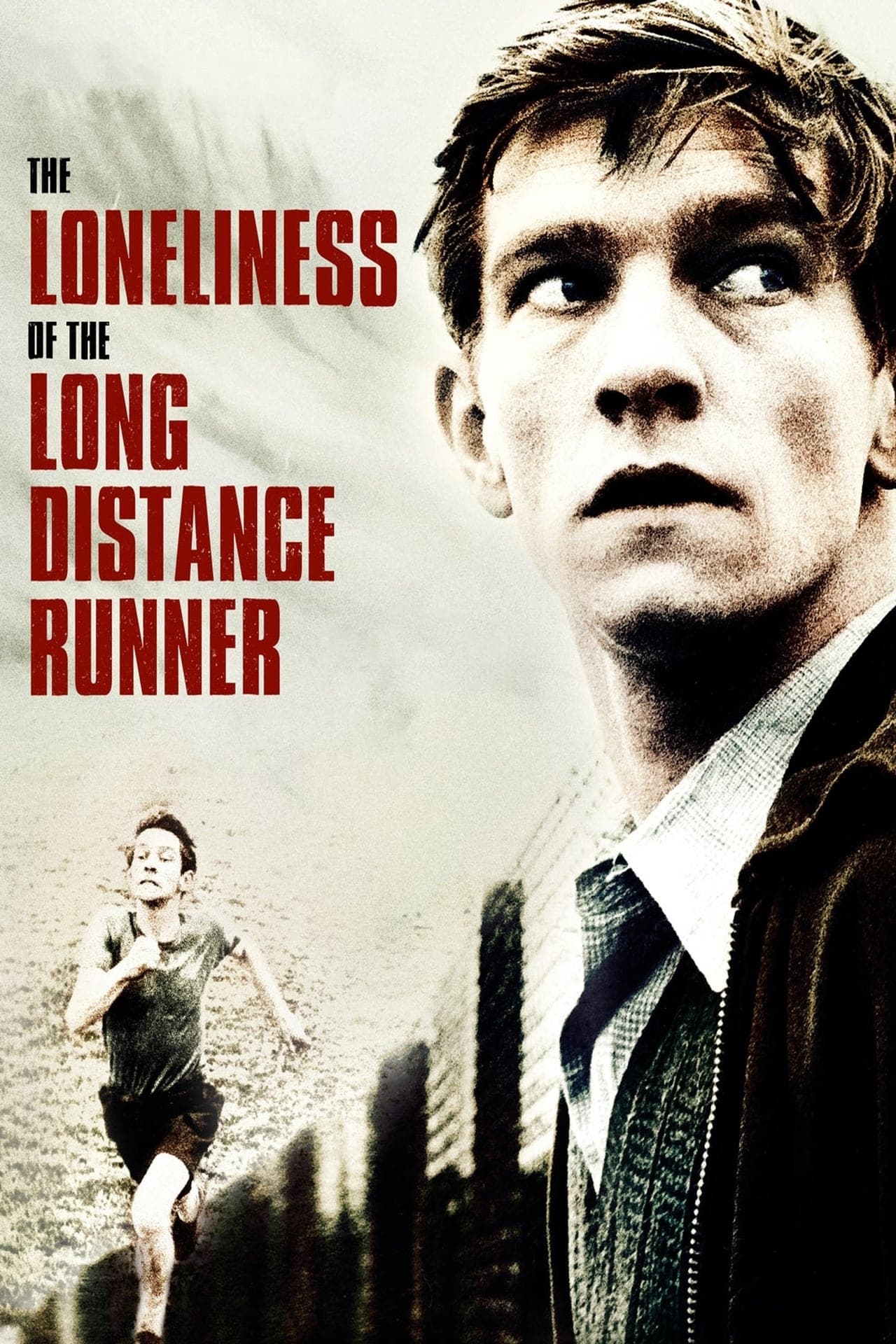
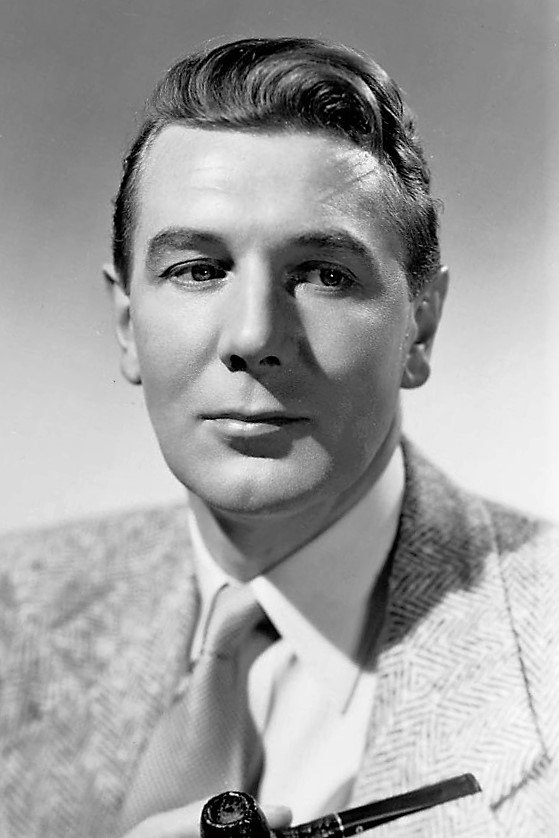
Michael Redgrave has 74 screen credits in a career dating back to 1936. Signature works include Time Without Pity, Hamlet, The Loneliness of the Long Distance Runner. Explore the interactive character relationship maps on each title page to trace how their roles connect across franchises.