Close associate of Ushinosuke, involved in business and personal arcs.
Itsuko is the wife of a politician whose corrupt schemes have increasingly repelled her. After leaving her husband, she hides at a friend's home, where reporter Rentarō persuades her to give an interview. She tells him she married for social status, and later rejects Nakanuma's hopes for anything beyond friendship.
A working woman and Noriko's friend who engages in playful teasing and arguments, representing the shifting social dynamics and camaraderie among modern women.
Yayoi Koko is a name the boys focus on while investigating Kihachi Denpo’s past and the photograph they believe connects him to a wartime killing. The boys plan to visit an elderly woman connected to the photograph, but Kihachi dies before they can go. The account does not clarify Yayoi Koko’s identity or explain her connection further.
Hanae is Chiyomi's older sister, a married woman burdened by work and family worries. She tries to protect Chiyomi as she enters the theater world, but their differing ideas about freedom create conflict. When Chiyomi becomes pregnant, Hanae's anger turns to concern and she promises to help raise the baby, even as Chiyomi later chooses an independent life as a geisha.
Yae is a widowed farming woman and Wasuke's younger sister. She tells journalist Okawa about her exhausting work, financial worries, and diminished status as a daughter-in-law and widow. She advises Wasuke against borrowing money for a lavish traditional wedding, and her growing relationship with the married Okawa ends in disappointment when he is transferred to Tokyo.
Important supporting figure in Ushinotsuke's personal world, adding emotional texture to the final chapter.
Ayako is Keijiro's wife and co-owner of the Ginza bar that Miho has managed for years. Her decision to mortgage the bar triggers the conflict with Miho, who had hoped to become its owner. Ayako has raised Miho's natural children, Hiroko and Susumu, as her own with Keijiro, and later contemplates divorcing him.
Sakon is connected to Takasada during the period when Takasada is reconsidering his life as a samurai. He asks whether Takasada has truly abandoned that life, prompting Takasada to explain that he no longer intends to take up arms and wants to remain with Umeme. The summary does not establish further details about Sakon’s background or role.
Chidori is engaged to the Sudō family's artist son and is the daughter of the right-wing politician Kumako. She argues repeatedly with her mother over her own promiscuity. She is present in the audience when Carmen refuses to strip before her, Kumako, and the artist, making her part of the incident that leads to Carmen's dismissal.
Business associate or rival in Tokyo's stock trading circle.
Hotel staff member assisting with guest services and daily operations.
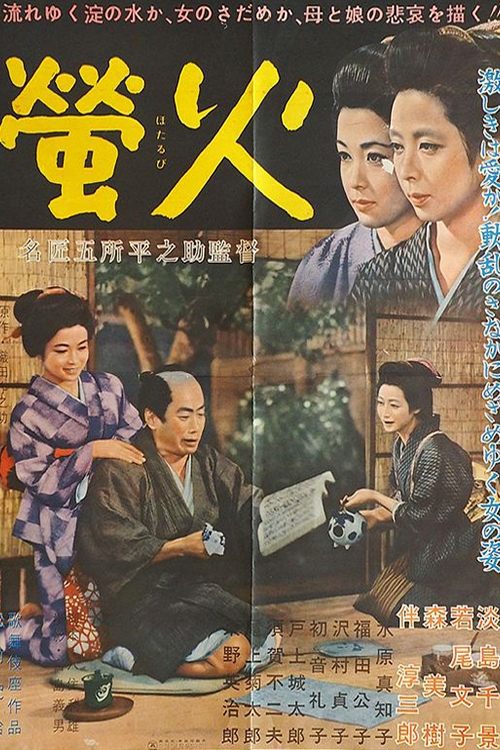
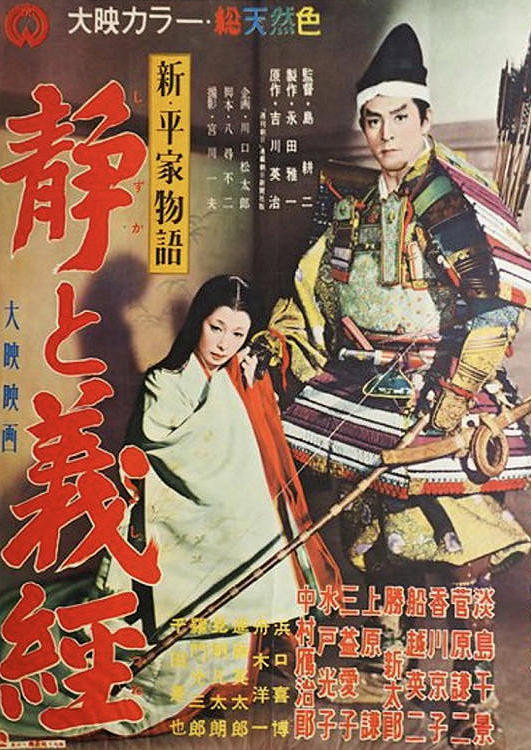
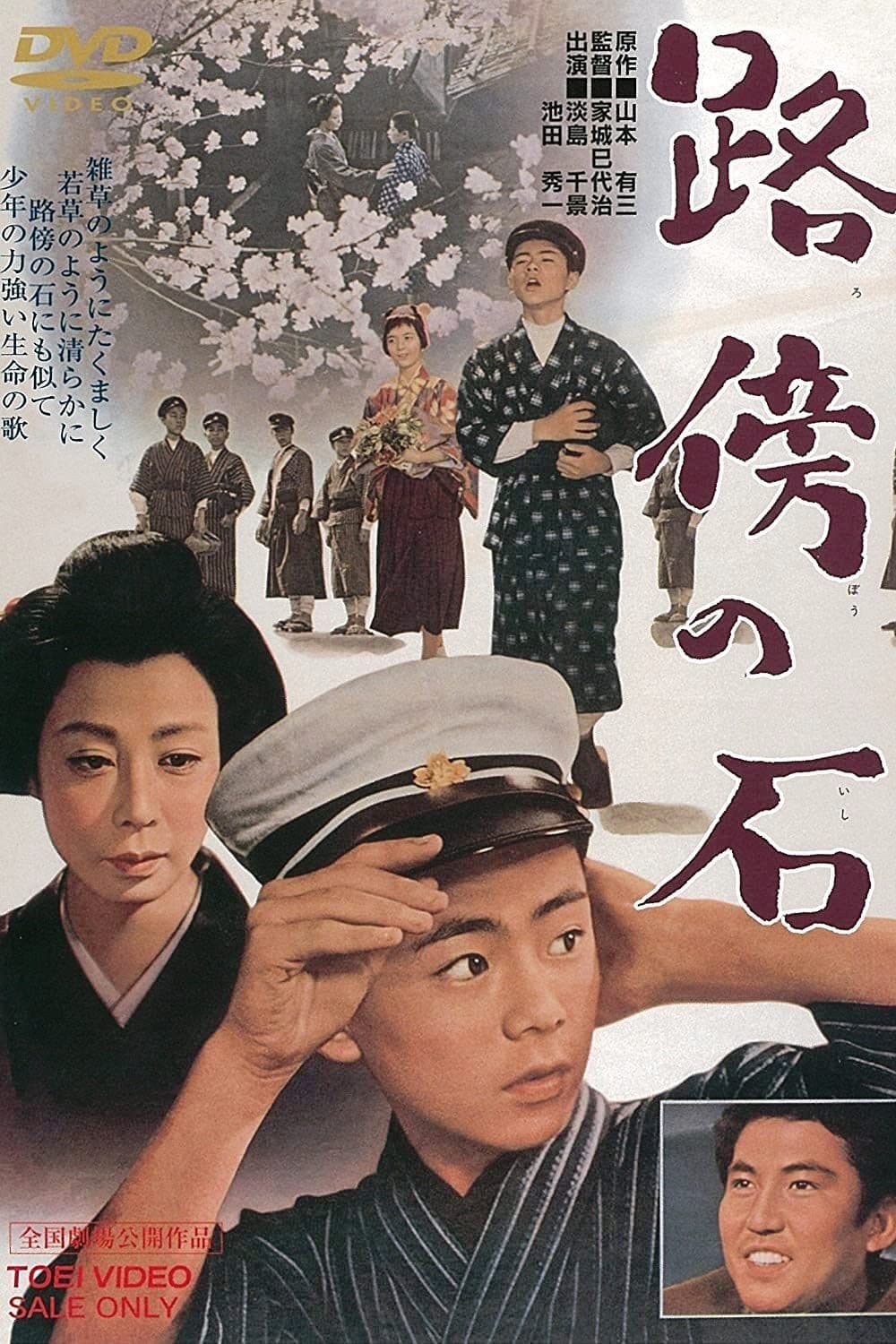
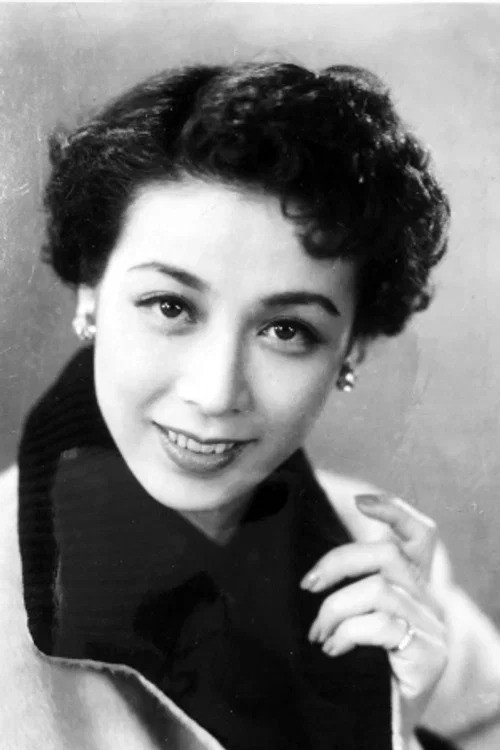
Chikage Awashima has 135 screen credits in a career dating back to 1950. Their work spans 7 cinematic universes — most prominently Ekimae: A Series in Front of the Station with 11 titles. Signature works include The Human Condition I: No Greater Love, The Unbalanced Wheel, Firefly Light. Explore the interactive character relationship maps on each title page to trace how their roles connect across franchises.
Universe traveler — spans 7 universes
Related entry on Wikidata (Q2511572), public domain (CC0).