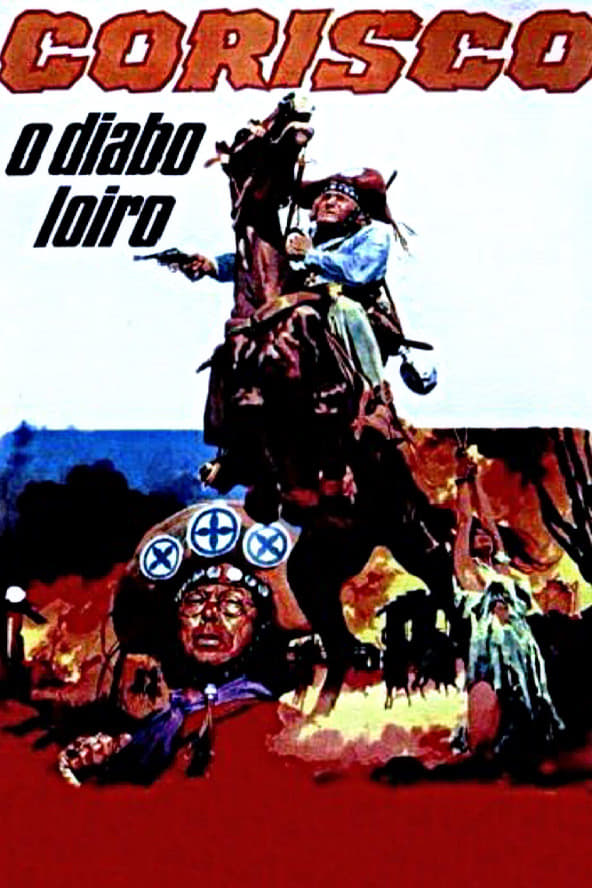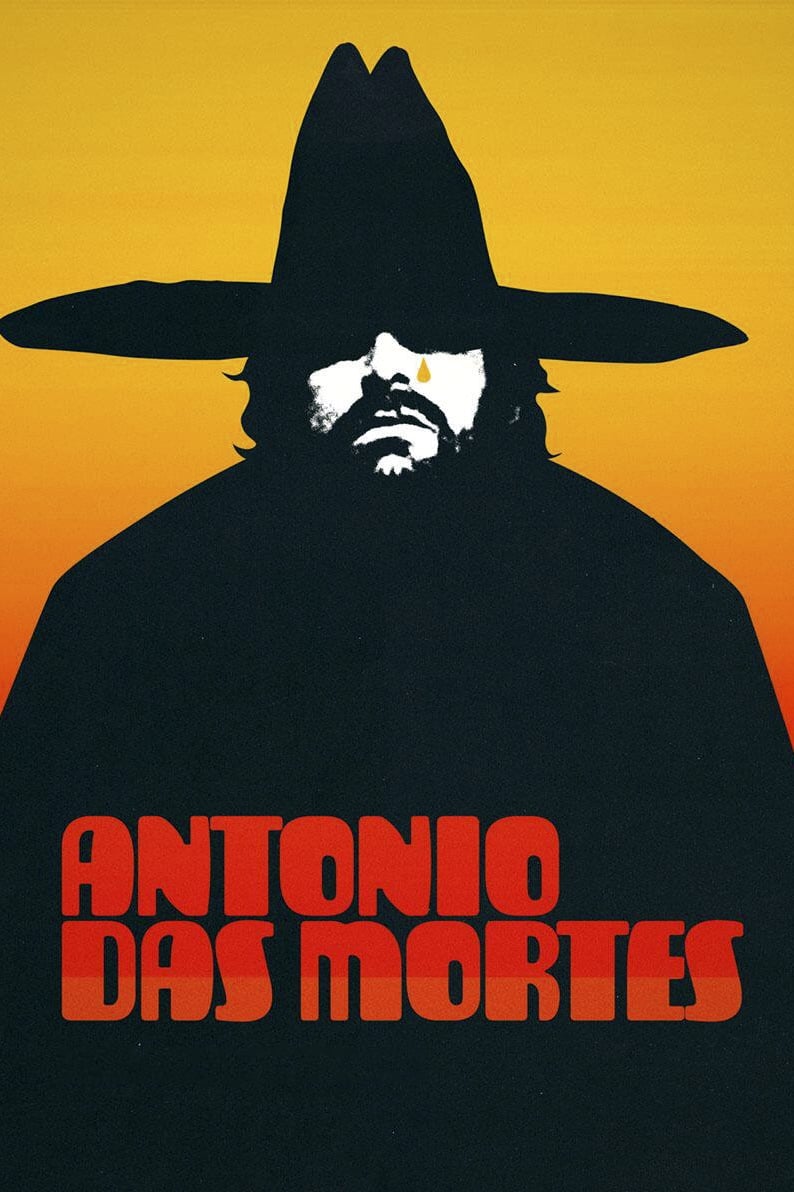
A cold, calculating bounty hunter hired by the church and local elites to eliminate religious cults and cangaceiros, acting as the state's enforcer of order.
Brahms is the central figure of the film’s political and spiritual spectacle. He is portrayed as a fortress, a pyramid built through the blood of others, and a symbol of wealth, foreign money, currency, and the domination of enslaved peoples. Other voices treat him as power while challenging the tyranny he represents.
Bacanaço is one of the trio of friends who wander through São Paulo at night, pursuing money through scams and cue-game betting alongside Malagueta and Perus. His flashbacks show him exploiting women, escaping a shootout, and being arrested for acting on Jogo do Bicho, revealing a criminal past connected to his present schemes.
Head of the criminal gang that ambushes the theater, steals the fundraising money bag, and leads the protagonists on a chase through a rodeo before being captured.
Supporting antagonist who hoards water and exerts local power.
A member of the endangered family whose land becomes the target of Colonel Dourado's scheme.
Padre is a religious figure in Augusto's life. During Augusto's absence, João Lomba tells him that Padre has died. The news comes as Augusto is hiding and trying to reshape himself through prayer and hardship; the summary does not specify more about Padre's actions or relationship with him.
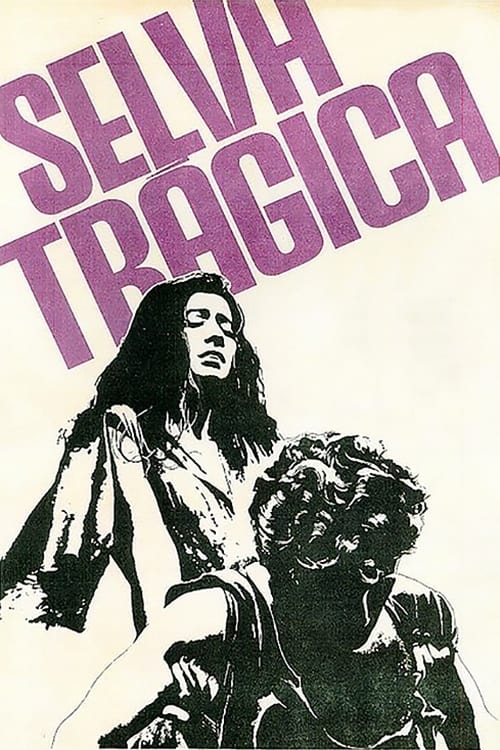
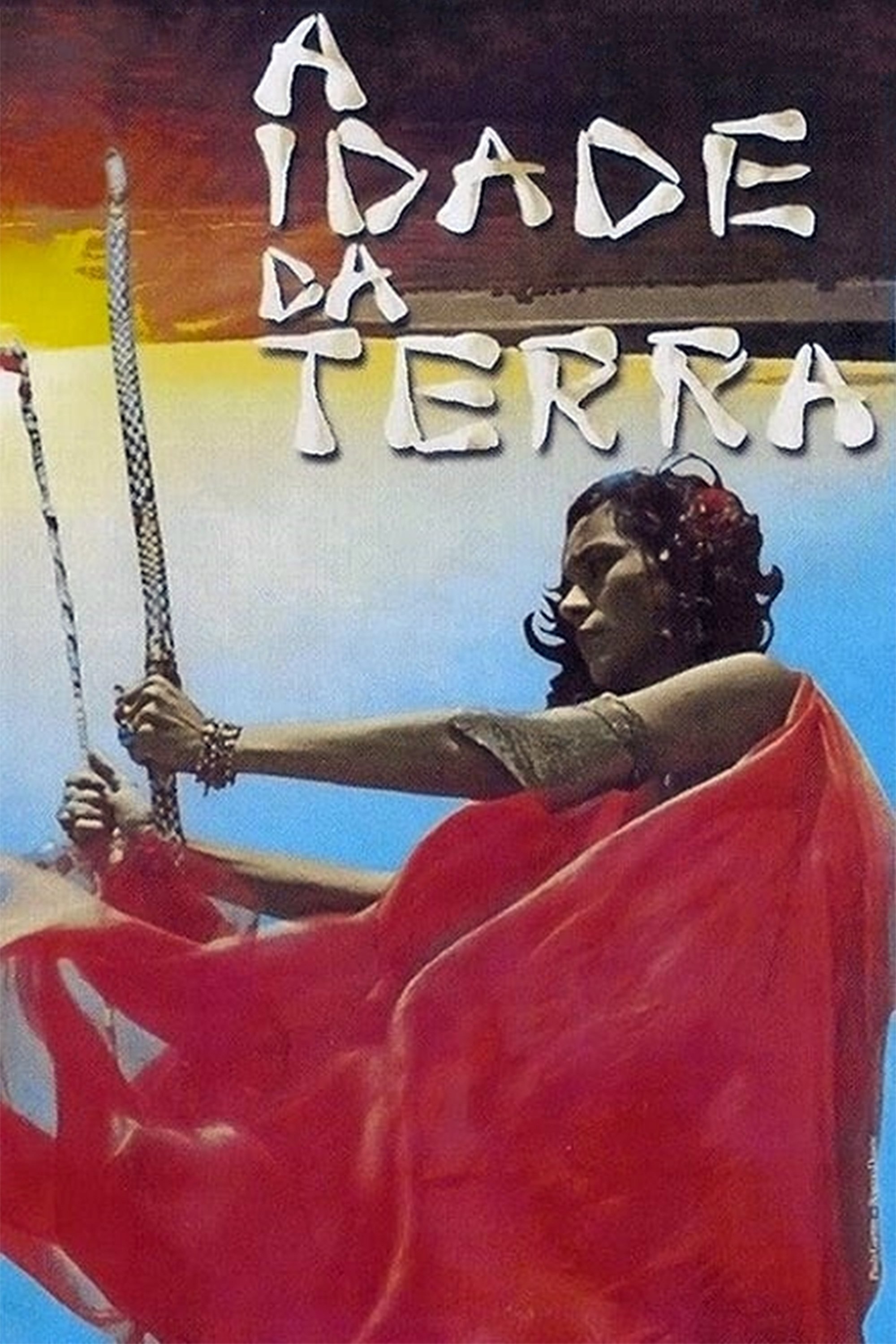
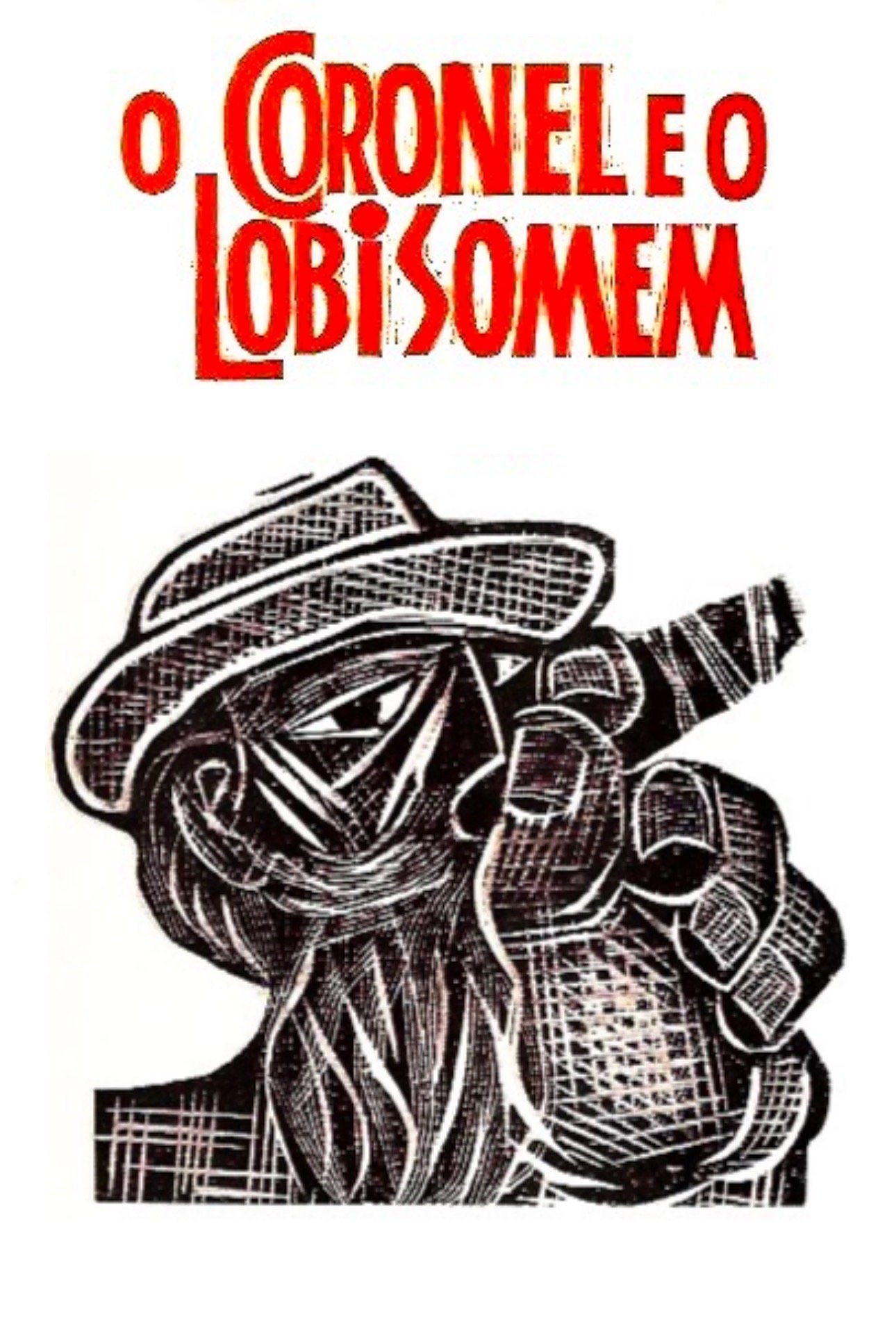
Maurício do Valle has 71 screen credits in a career dating back to 1954. Their work spans 2 cinematic universes — most prominently Os Trapalhões: Coleção with 4 titles. Signature works include Tragic Jungle, The Age of the Earth, O Coronel e o Lobisomem. Explore the interactive character relationship maps on each title page to trace how their roles connect across franchises.
Universe traveler — spans 2 universes
Related entry on Wikidata (Q6794015), public domain (CC0).