A powerful yakuza boss who absorbs Isamu Okita's gang after Kizaki seeks his protection. He gives Isamu territory and authority, but later expels him for defiance, sacrifices Takigawa's faction to secure peace, and ultimately becomes Isamu's final target after betraying him.
Egawa Koichi manages the Madrid bar and refuses demands from the Togiku Group to surrender it, defending the territory given to him after the Egawa family was disbanded. After Minami's murder and the deaths of his former associates, he obtains a rifle, kills Futahashi, and prepares to revive his conflict with Togiku.
The new head of Enoki-ya, Ozeki remains trusted by Iwahashi even as others suspect he is concealing the truth. He gives the returning Tsutomu money and promises to settle the conflict, then confronts Igarashi to demand that Oyu's wedding be canceled and accuses him of arranging the dynamite attack.
Danno organization executive, involved in strategic decisions and gang politics.
Kudo is the former chief of the Kohoku Association, who reappears despite serious illness and remains determined to pursue Oba. Gunji tries to dissuade him from dying in pursuit of revenge. Kudo later announces that he will move on Naha and target Daitokai and Hateruma, explaining that Daitokai crushed a friend's gang and cost that friend ten years of his life.
Hiroshima boss whose alliance with Aoki shifts the balance of power in the regional gang war.
A political figure running for parliament and allied with the Kawada family. He attempts to lecture Ishikawa, leading to a violent confrontation and a car bombing by Ishikawa.
A minor character with limited presence, possibly a guard or inmate.
Criminal strategist who aids the brothers in executing their schemes.
Senzo is a man linked to the death of the grieving woman's sister: the story says a powerful woman ordered the killing through him. Jokichi's search for Senzo becomes a personal reckoning and puts him in danger, though the available scenes do not show their confrontation.
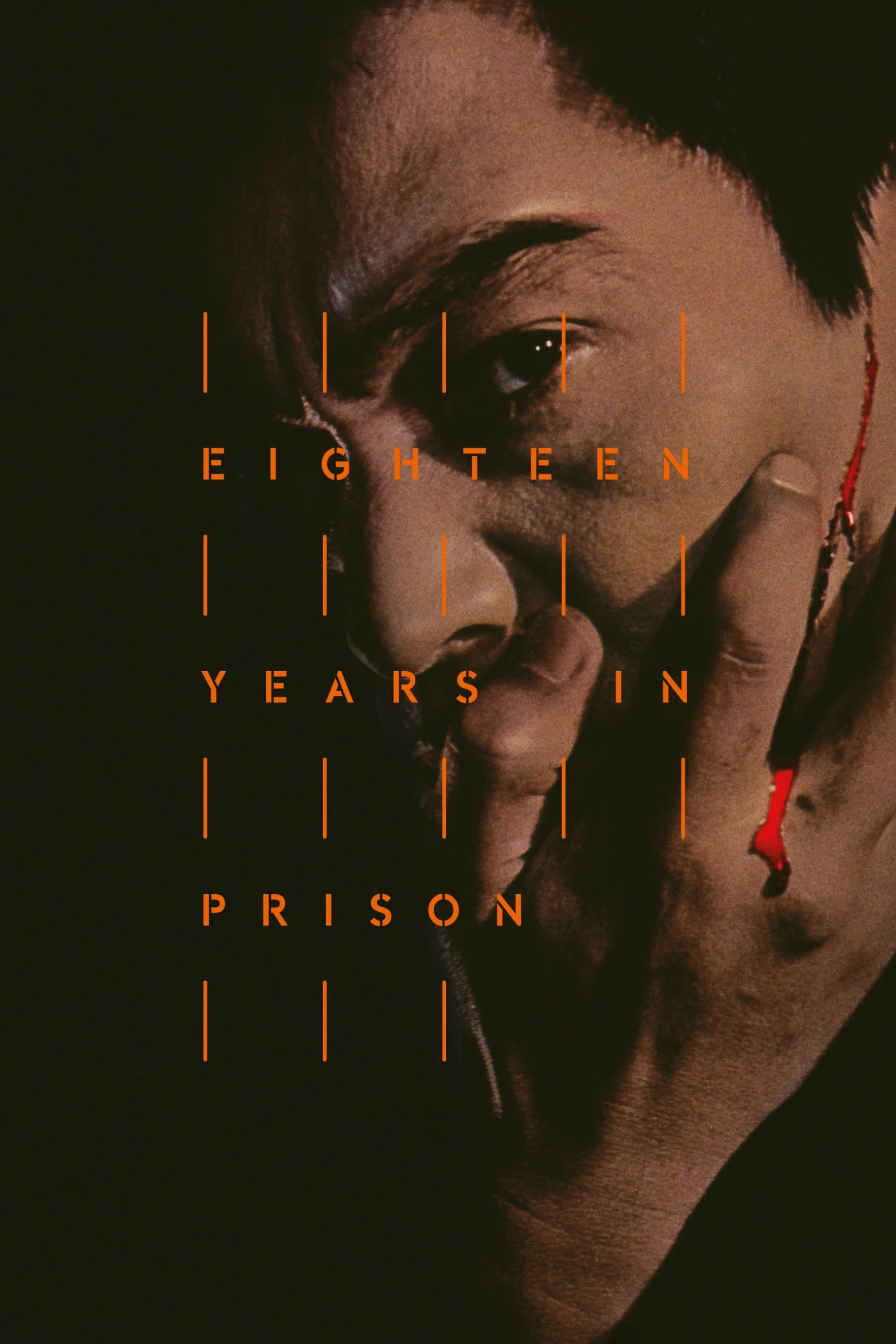
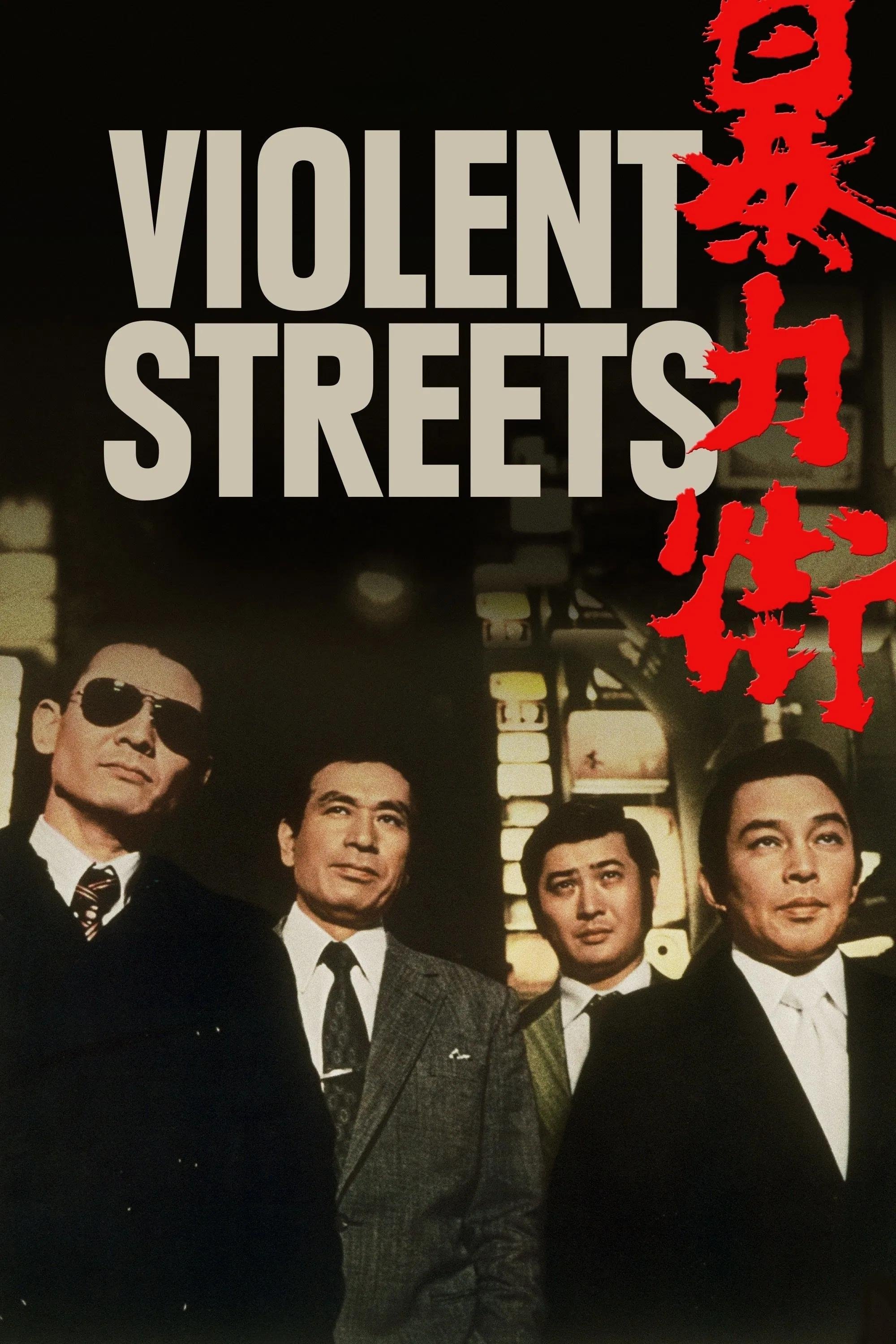
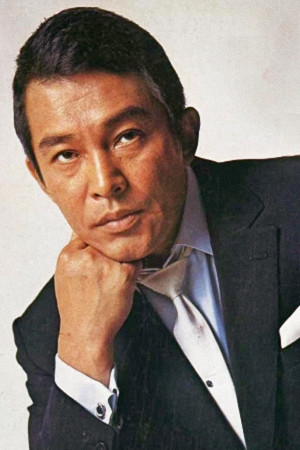
Noboru Andō has 73 screen credits in a career dating back to 1965. Their work spans 12 cinematic universes — most prominently Yakuza Hijoshi Trilogy Collection with 3 titles. Signature works include King of the Gang, Eighteen Years in Prison, Yakuza Eiga, une histoire du cinéma yakuza. Explore the interactive character relationship maps on each title page to trace how their roles connect across franchises.
Universe traveler — spans 12 universes
Related entry on Wikidata (Q7046038), public domain (CC0).