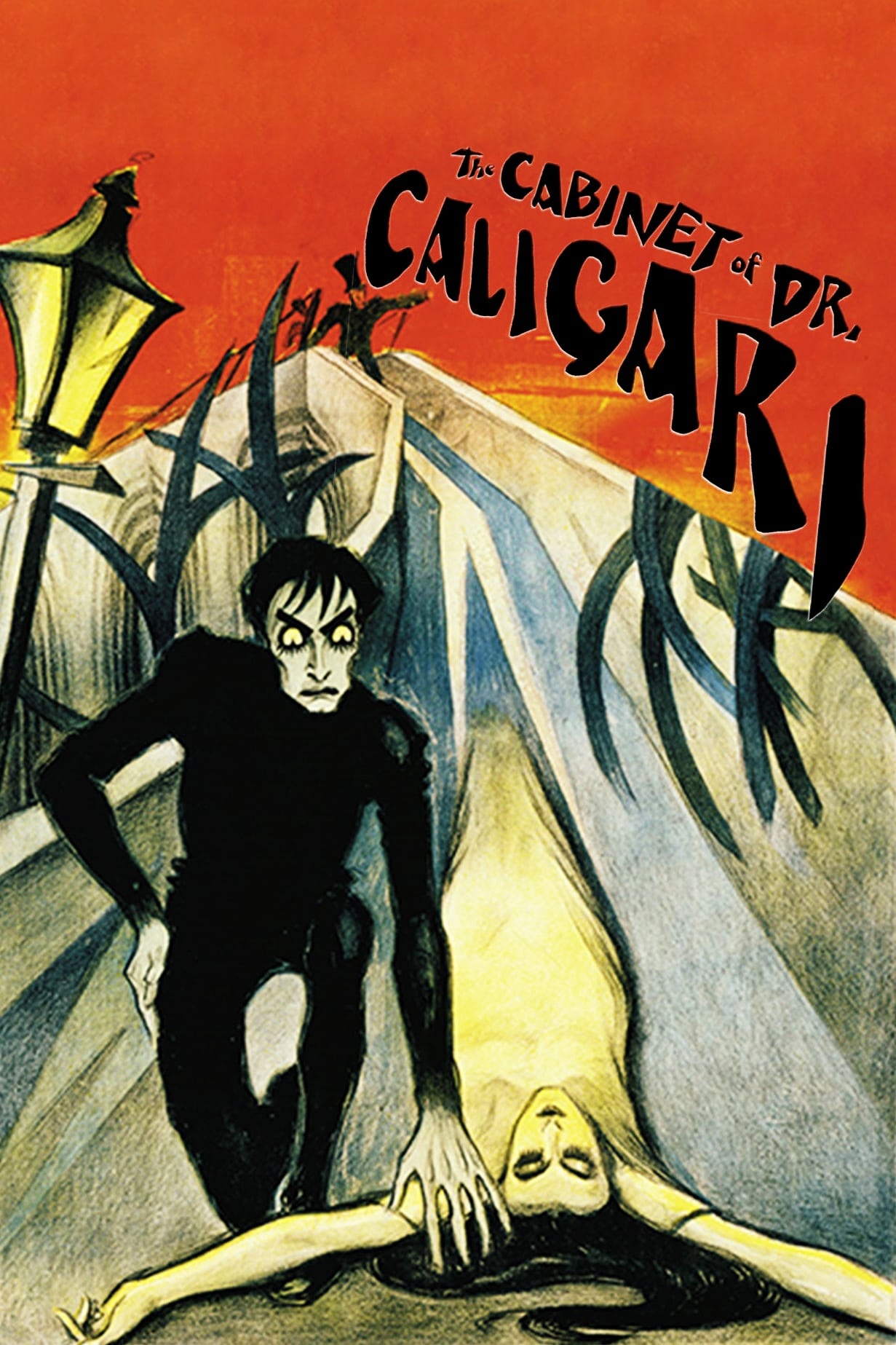
Dr. Caligari is a mysterious fairground performer who exhibits the somnambulist Cesare and appears to control his actions. Francis later discovers that Caligari is actually the asylum director, whose obsession with an earlier Caligari leads him to recreate the murders. He is restrained and confined after attacking asylum staff.
An old peasant and the father of Peter Rog and Johannes Rog. His death leaves his two sons to face different futures: Peter remains deeply attached to the family land, while Johannes rejects peasant life and pursues ambition through service to Count Rudenburg.
Mordecai is the Jewish moneylender known as the Jew of Mestri and the father of Rachela. He forces her toward marriage with Elias, then lends money for Giannetto through Benito's bond. Seeking revenge for Rachela's elopement, he demands Benito's pound of flesh until Beatrice defeats his claim in court.
The defeated former ruler of France and the central figure of the story. After Waterloo, he abdicates and seeks British protection, only to be exiled to St. Helena. There he resists Hudson Lowe’s restrictions, struggles with isolation and failing health, and dictates a final vision of peace and European unity.
A celebrated clown at the Grand Circus, Botto longs for love beyond the stage but fears that a woman who knows him only as a clown cannot love him seriously. He takes in Blanche while concealing his identity, later performs a dangerous looping-the-loop act, and reconciles with her when she accepts him as he is.
A newly rich industrialist who arrogantly revels in his wealth, Emil is Lilli's father. While the family is at the seaside, he sees the young Baron as a chance to gain entry into the nobility by marrying Lilli to him. Her secret marriage to another young man instead contributes to a family break-up and increasingly dramatic events.
Iago is a soldier serving under Othello who becomes bitterly jealous when Cassio is chosen as lieutenant instead of him. He vows to scheme against Othello and later seizes on Desdemona’s treasured handkerchief as a way to provoke Othello’s jealousy. His wife accompanies Desdemona to Cyprus.
Katasteramtsrat Reinhold Dörensen is Annelie Dörensen’s anxious and deeply concerned father. He takes an active interest in her happiness and future, participates in formal family gatherings, and worries about propriety, punctuality, and suitable life choices. His protective concern reflects the parental pressure surrounding Annelie’s decisions.
Count Muffat becomes the man who ruins himself to support Nana and satisfy her excessive needs. He maintains her lavish lifestyle while she cheats on him and wastes his money on grandiose parties. His relationship with Nana is therefore central to the story's portrayal of her power, extravagance, and destructive influence.
Jack the Ripper is the wax figure that appears to come alive after the poet completes the other stories. He stalks the poet and the museum owner’s daughter through the dark, twisting halls, repeatedly appearing as the pair flee. His knife attack seems imminent before the poet awakens and realizes that the entire encounter was a dream.
Friedrich Mitterer is a celebrated actor who visits Schneidermeister Schindler's tailoring shop for fittings. He realizes that Leni's picture is the real reason he has kept returning, grows close to her, and asks her father for her hand in marriage, sending Leni a diamond ring.
A railway worker and the father of the daughter, he lives with his family in poverty beside the railway line. After discovering his wife has frozen to death and hearing his daughter explain what happened with the inspector, he strangles the inspector. The next day, he stops a train and confesses to its driver that he is a murderer.
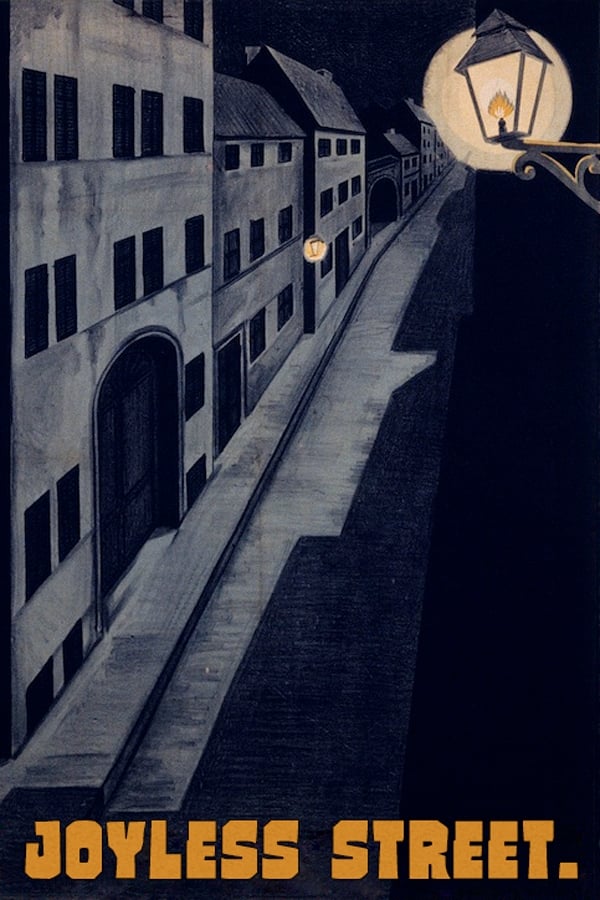
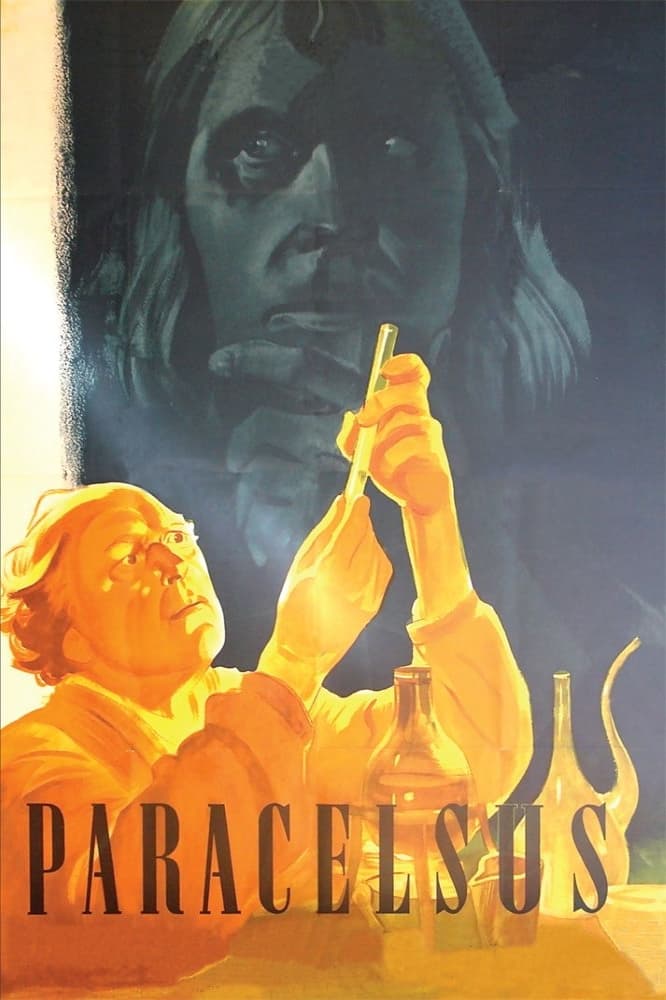
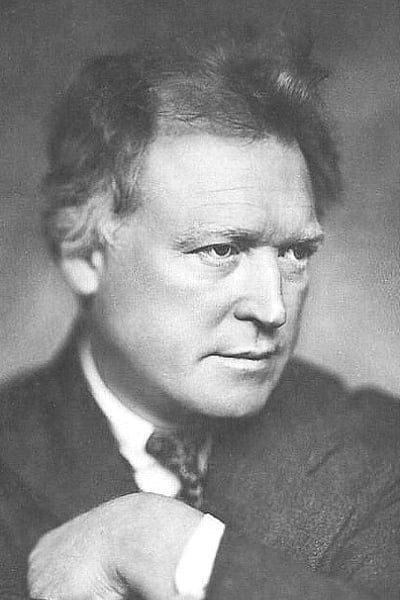
Werner Krauss has 105 screen credits in a career dating back to 1914. Their work spans 5 cinematic universes — most prominently Das unheimliche Haus with 3 titles. Signature works include The Cabinet of Dr. Caligari, Joyless Street, Paracelsus. Explore the interactive character relationship maps on each title page to trace how their roles connect across franchises.
Universe traveler — spans 5 universes
Related entry on Wikidata (Q63051), public domain (CC0).