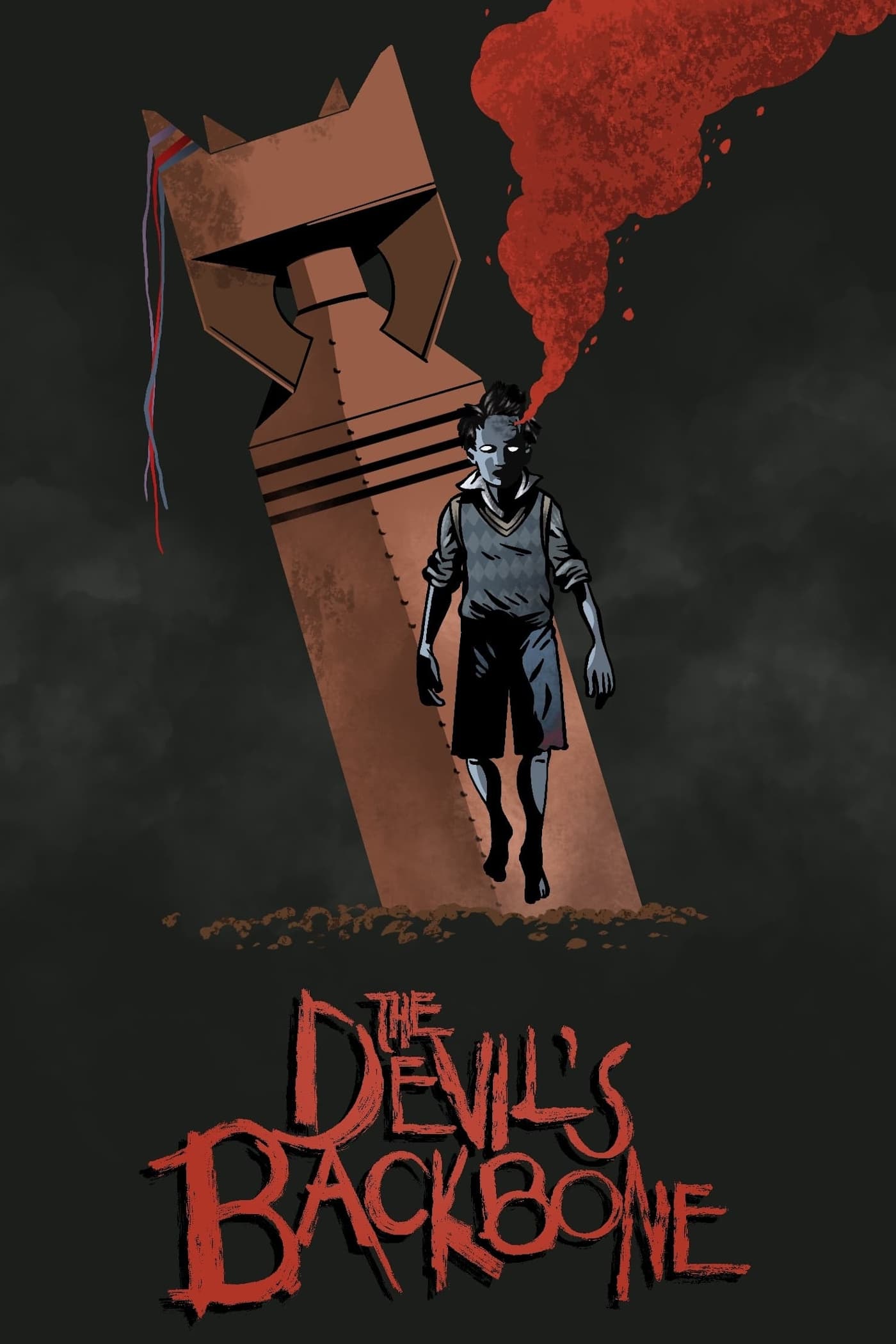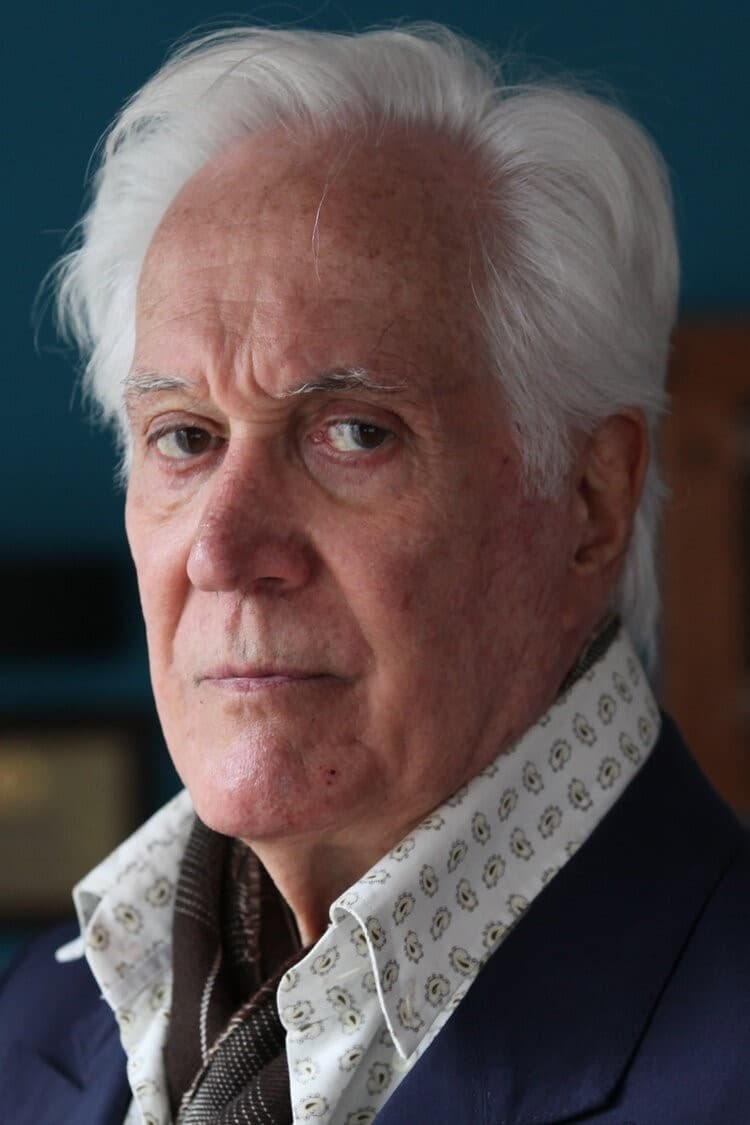
A kindly professor and co-manager of the orphanage who provides medical care and intellectual guidance, while quietly opposing the Nationalist victory.
Elderly antique dealer who discovers a 460-year-old mechanical device that grants him youth and vitality at the cost of a growing bloodthirst. He struggles with his transformation, evades his nephew's attempts to steal the device, survives an assassination attempt, and ultimately chooses to destroy the mechanism to reclaim his humanity and return to his family.
An elderly mathematician who initially appears to be the host of the trapped convention. He is actually a pawn of the true mastermind, used as a diversion. His dropped wallet reveals a photo that triggers Pascal's realization of the revenge plot, and he is ultimately abandoned to die from poison gas in his car.
Martín is a successful filmmaker and Hache's father. Although he prefers living alone and fears that his social circle could negatively influence his son, he brings Hache to Madrid after the overdose and tries to protect him from relapse. Their strained relationship drives much of the story.
The town's deputy mayor and the central political target of the conflict. He refuses to dismiss his assistant over Marxist sympathies and rejects pressure to resign, then barricades himself in the town hall with his allies. After capture, he refuses to accept blame and is ultimately executed by the police.
Mario is a wool trader and a leading figure in the local farmers’ cooperative. He teaches at the makeshift school, fights to improve wool prices, and burns the wool shed after members accept unfavorable terms. As Ana’s partner and the family’s father, his commitment to the town shapes the central conflict.
Fernando Robles is a literature professor forced into retirement, who must reconsider his life with his wife, Liliana. He helps purchase and rebuild a small lavender farm in Córdoba while writing notes for a novel, but contracts pneumonia, dies in hospital, and uses his final days to say farewell and reveal his feelings.
An ex-union-organizing demolition worker who joins his old friend Bruno Di Toro in a scheme against their corrupt company. He is meant to corroborate Bruno's staged workplace accident, but after Bruno dies in the explosion, Pedro continues pretending to be mute. He ultimately rejects a financial settlement and pursues justice through the courts.
Aniceto is the central figure, whose letters to Francisca reveal a relationship strained by distance and hardship. He later pursues Lucía, asks her to live with him, and reacts angrily when she refuses. In trying to find her, he sells his bed and prized rooster; after she leaves with another man, he masks his bitterness, and the story ends amid violence.
The male lead and co-protagonist. His interactions with the female characters highlight the film's examination of gender dynamics, emotional entanglements, and marital tension.
Pancho is María's husband, and the couple share the grief of their eldest son's disappearance. Unlike María, he eventually gives up hope after lengthy and costly efforts to find their son. María's continued search places strain on their marriage, making Pancho part of the personal cost of her mission.
Federico is presented as the best of the con artists, a true artist whose arrival strengthens Ernesto’s criminal circle after years of success. His connection to Pilar is central to the proposed golden-goose swindle, as her return from his past threatens to reshape his relationship with Ernesto and the entire operation.
Federico Luppi has 100 screen credits in a career dating back to 1965. Their work is anchored in the Gloria Duque - Collection universe with 1 titles. Signature works include Cronos, The Devil's Backbone, The Stone Raft. Explore the interactive character relationship maps on each title page to trace how their roles connect across franchises.
Related entry on Wikidata (Q1393963), public domain (CC0).