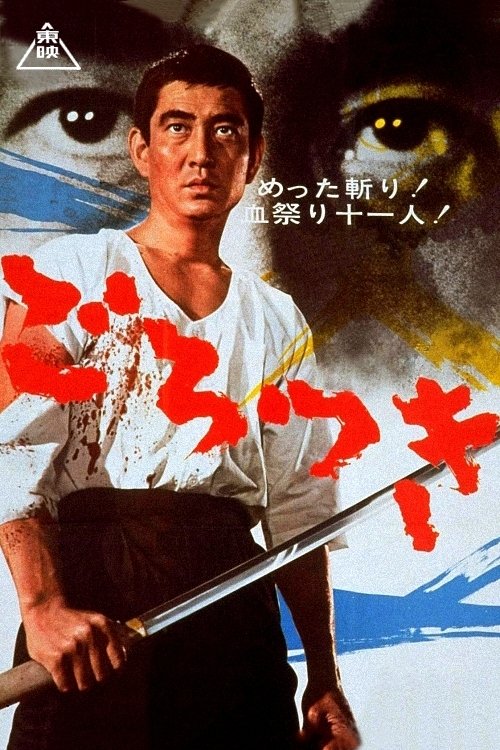
A Toei ninkyo eiga blending street performance, contemporary sports trends, and musical tradition.
Story Structure — 4 Plot Phases
Studio Origins & Era Context
Establishes the 1968 production background and Toei studio framework. Introduces the cultural landscape that shapes the film's thematic direction.
Key Events
Film Production Context — Establishes the 1968 production background and studio origins.
Location: Toei Tokyo Studio
Kickboxing Trend Integration — Introduces the contemporary kickboxing craze influencing the narrative.
Location: Tokyo Streets
Kickboxing Craze Integration
Highlights the contemporary kickboxing trend incorporated into the storyline. Features real professional fighters appearing as themselves to add authenticity.
Key Events
Real Boxer Casting — Features actual professional fighters appearing as themselves.
Location: Casting Office
Street Performer Setup — Depicts the protagonists working as wandering street entertainers.
Location: Urban Alleyways
Street Performance Dynamics
Depicts the protagonists working as wandering entertainers in urban settings. Showcases their musical collaboration and street-level interactions.
Key Events
Street Performer Setup — Depicts the protagonists working as wandering street entertainers.
Location: Urban Alleyways
Guitar Performance Scene — One character plays guitar while the other prepares to sing.
Location: Street Corner
Vocal Performance Scene — The protagonist sings classic enka and movie theme songs.
Location: Street Corner
Musical Legacy & Resolution
Focuses on the iconic song performances and their cultural resonance. Concludes with the film's place within the ninkyo eiga genre tradition.
Key Events
Musical Repertoire Highlight — Showcases iconic tracks like Abashiri Bangaichi and Karashibotan.
Location: Performance Stage
Genre Context Establishment — Frames the film within the Toei ninkyo eiga tradition.
Location: Film Archive
Cultural Era Reflection — Reflects the social atmosphere and entertainment trends of the era.
Location: 1968 Tokyo
Narrative Conclusion — Wraps up the thematic presentation and historical significance.
Location: Screen
Story Breakdown
Production Framework — Establishes studio origins and release context.
Studio Background — Toei Tokyo production details.
Release Timeline — October 1968 premiere context.
Sports Trend Integration — Incorporates contemporary kickboxing into the plot.
Kickboxing Craze — Reflects 1960s Japanese sports popularity.
Real Fighter Casting — Authentic boxers appear as themselves.
Street Performance Arc — Follows protagonists as wandering entertainers.
Urban Setting — Alleyways and street corners as stages.
Collaborative Dynamic — Guitar and vocal partnership established.
Musical Showcase — Highlights iconic song performances.
Guitar Sequence — Rhythmic accompaniment setup.
Vocal Performance — Classic enka and theme song delivery.
Genre Contextualization — Frames the film within ninkyo eiga tradition.
Yakuza Film Heritage — Continuation of Toei gangster cinema.
Cultural Positioning — Placement in 1960s Japanese cinema.
Thematic Resolution — Concludes with era reflection and legacy.
Social Reflection — Mirrors 1960s urban atmosphere.
Narrative Closure — Final thematic statements and credits.
Coal miner Isamu Oba is forced to quit his village and leave his mother and siblings behind. Mining buddy Ichiro accompanies him to Tokyo, and the pair enjoy several "fish-out-of-water" sequences before finding employment at a boxing gym with trainer Sawada and his spunky sister Tomoko. The boys also find part time night jobs as roving minstrels in the club district courtesy of benevolent gang boss Asakawa. Of course, they run afoul of boss Karasawa's cruel gang. Karasawa also has it in for Asakawa, and this indirectly throws a spanner into the works as far as Isamu's burgeoning success as a kickboxer. When Asakawa's HQ is burned to the ground by Karasawa's men, Asakawa tries to kill Karasawa - which, of course, leads to his own gruesome death. Isamu goes on the rampage with his sword, wiping out Karasawa and men.