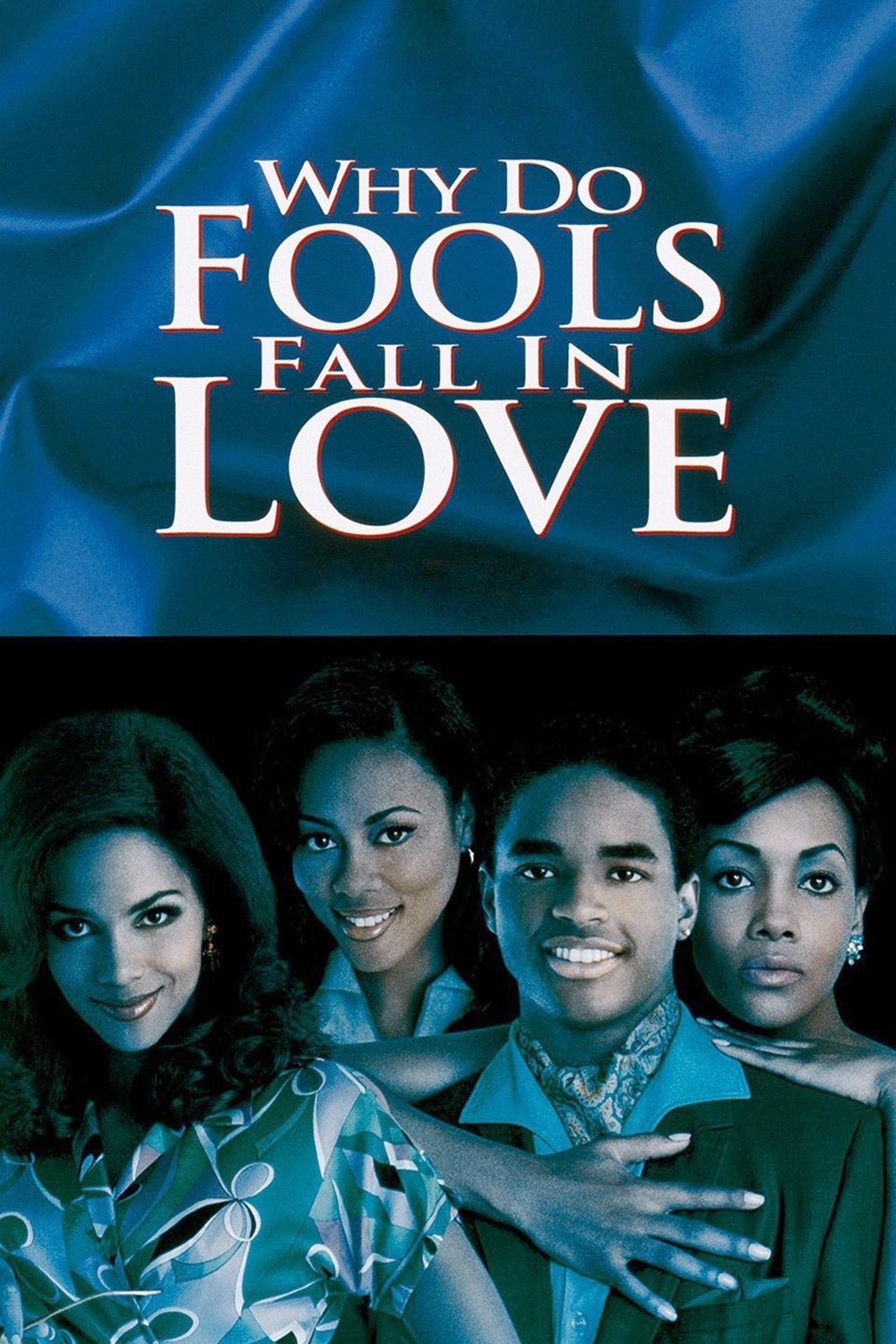
Why Do Fools Fall In Love (1998) — AI Story Visualization
Plot Analysis Summary
The film contrasts Frankie Lymon's meteoric musical rise and early death with a later courtroom struggle over his royalties and estate.
Story Structure — 5 Plot Phases
A Teenage Radio Sensation
Frankie Lymon and the Teenagers erupt into public attention through their 1956 hit. Their success expands from radios and jukeboxes into film appearances.
Key Events
Thirteen-Year-Old Frankie — Frankie Lymon is thirteen when his teenage group begins attracting attention. Characters: Frankie LymonLocation: 1950s music scene
Radio Breakthrough — Frankie Lymon and the Teenagers erupt from radios with a major hit. Characters: Frankie LymonLocation: Radios
Jukebox Success — The group's 1956 hit becomes widely heard through jukeboxes. Characters: Frankie LymonLocation: Jukeboxes
Rock Film Appearance — Frankie Lymon and the Teenagers appear in Rock, Rock, Rock! Characters: Frankie LymonLocation: Rock, Rock, Rock!
Second Film Era — Frankie appears in Mr. Rock and Roll during the group's early success. Characters: Frankie LymonLocation: Mr. Rock and Roll
The Solo Career Declines
After Mr. Rock and Roll, Frankie begins a solo singing career. His success fades quickly, and his career is essentially over by age eighteen.
Key Events
Second Film Era — Frankie appears in Mr. Rock and Roll during the group's early success. Characters: Frankie LymonLocation: Mr. Rock and Roll
Solo Career Begins — After Mr. Rock and Roll, Frankie Lymon starts a solo singing career. Characters: Frankie LymonLocation: 1950s music industry
Fading Success — Frankie's solo success quickly tapers off. Characters: Frankie LymonLocation: Music career
A Life Cut Short
The story records Frankie's premature death from a heroin overdose seven years after his career effectively ends. This loss becomes the background for the later estate dispute.
Key Events
Career Ends Early — Frankie's career is essentially over by the time he is eighteen. Characters: Frankie LymonLocation: 1960s music scene
Premature Death — Frankie dies from a heroin overdose seven years after his career effectively ends. Characters: Frankie LymonLocation: 1960s
The 1980s courtroom proceedings introduce competing claims involving Frankie's royalties. Flashbacks connect the legal dispute to his earlier rise and fall.
Zola Files Claim — Zola Taylor files a claim for a share of Frankie's music royalties. Characters: Zola Taylor, Frankie LymonLocation: Courtroom
Emira Asserts Claim — Emira Eagle, a schoolteacher from Augusta, Georgia, asserts her claim. Characters: Emira Eagle, Frankie LymonLocation: Courtroom
Claims Are Outlined — The film outlines the women's competing courtroom claims to Frankie's royalties. Characters: Frankie Lymon, Zola Taylor, Emira EagleLocation: Courtroom
The Estate Verdict
Zola Taylor and Emira Eagle's claims are examined as the dispute centers on Frankie's estate. Emira ultimately wins, while archival footage preserves Frankie's performance legacy.
Key Events
Career Evidence Reviewed — Frankie's group success, solo decline, and death inform the royalty dispute. Characters: Frankie Lymon, Zola Taylor, Emira EagleLocation: Courtroom and flashbacks
Estate Dispute Peaks — The royalty claims develop into a decisive contest over Frankie's estate. Characters: Frankie Lymon, Zola Taylor, Emira EagleLocation: Courtroom
Emira Wins Estate — Emira Eagle wins Frankie's estate at the end of the legal dispute. Characters: Emira Eagle, Frankie Lymon, Zola TaylorLocation: Courtroom
Solo Song Recalled — The end credits identify Frankie's 1958 solo single Goody Goody. Characters: Frankie LymonLocation: End credits
Archival Performance — Archival footage shows the real Frankie Lymon performing Goody Goody. Characters: Frankie LymonLocation: End credits
Legacy Aftermath — The ending links Emira's estate victory with the surviving record of Frankie's performance. Characters: Frankie Lymon, Emira EagleLocation: End credits
Story Breakdown
Teenage Breakthrough — Frankie becomes a teenage sensation through a hit performed with the Teenagers.
Radio Eruption — The group emerges from radios with their 1956 hit.
Jukebox Popularity — The song spreads through jukeboxes and reaches a broad audience.
Early Film Fame — The group's popularity extends into movie appearances during the 1950s.
Rock Rock Rock — Frankie and the Teenagers appear in Rock, Rock, Rock!
Mr Rock Roll — Frankie appears in Mr. Rock and Roll before pursuing a solo career.
Solo Career Collapse — Frankie's solo career begins after the group period but loses momentum rapidly.
Solo Singing — Frankie starts a solo singing career after Mr. Rock and Roll.
Fading Success — His success tapers off and his career ends essentially by age eighteen.
Tragic Early Death — Frankie's life ends prematurely, creating the posthumous context for the lawsuit.
Career Over — The film states that Frankie's career was essentially over at eighteen.
Heroin Overdose — Frankie dies from a heroin overdose seven years later.
Royalty Court Claims — The 1980s courtroom storyline presents competing claims connected to Frankie's royalties.
Zola Files Claim — Zola Taylor seeks a share of Frankie's music royalties.
Emira Asserts Rights — Emira Eagle asserts her own claim in the courtroom dispute.
Estate And Legacy — The legal contest ends with an estate decision while archival footage preserves Frankie's musical image.
Archival Performance — End credits show the real Frankie performing his 1958 solo single Goody Goody.
In the mid-80s, three women (each with an attorney) arrive at the office of New York entertainment manager, Morris Levy. One is an L.A. singer, formerly of the Platters; one is a petty thief from Philly; one teaches school in a small Georgia town. Each claims to be the widow of long-dead doo-wop singer-songwriter Frankie Lyman, and each wants years of royalties due to his estate, money Levy has never shared. During an ensuing civil trial, flashbacks tell the story of each one's life with Lyman, a boyish, high-pitched, dynamic performer, lost to heroin. Slowly, the three wives establish their own bond.