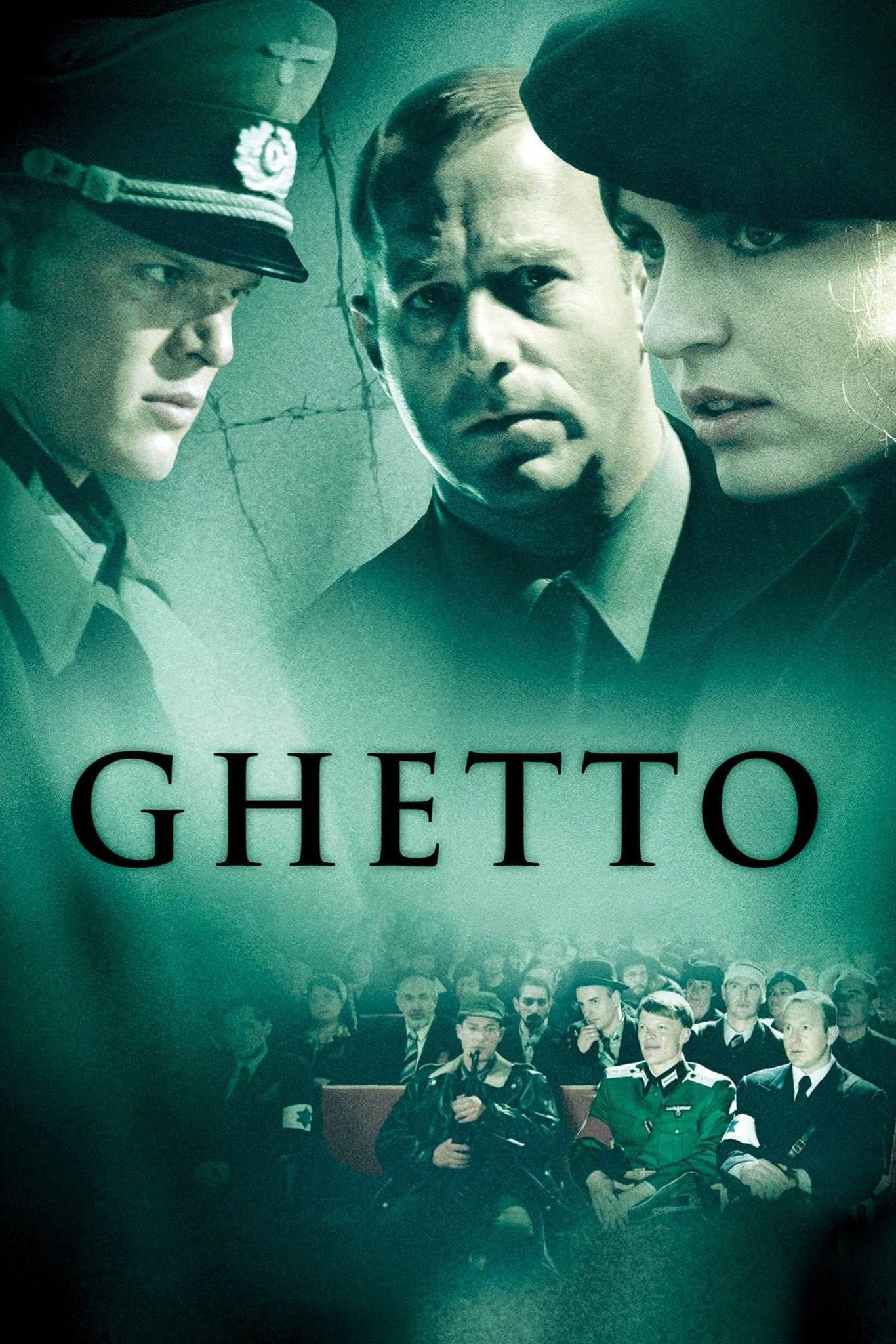
Plot Analysis Summary
Under occupation, a confined community uses labor, performance, justice, and fragile solidarity to survive escalating German control.
Story Structure — 5 Plot Phases
Occupation Behind Barracks
German troops occupy Vilna, and mass murder is followed by the confinement of approximately 15,000 Jews. Survival becomes dependent on labor, smuggling, and deception.
Key Events
-
German Occupation Begins — German troops enter Lithuania and occupy Vilna in June 1941.
Location: Vilna
-
Vilna Mass Killings — Tens of thousands of Jews are murdered during the following months.
Location: Near Vilna
-
Ghetto Barracks — Approximately 15,000 people are confined in a ghetto administered by a Jewish Council. Characters: Gens, Haya, Dina Abramowitz, Srulik, Lina, Dessler (as Jörk Lamprecht)
Location: Vilna ghetto
-
Bean Theft Accusation — A woman is accused of stealing beans from a military warehouse. Characters: Haya, Dessler (as Jörk Lamprecht)
Location: Military warehouse
-
Beans Are Weighed — Dessler is ordered to weigh the beans connected to the accusation. Characters: Haya, Dessler (as Jörk Lamprecht)
Location: Military warehouse
-
The Nightingale Threatened — Haya is recognized as the ghetto nightingale but is threatened with death unless she sings. Characters: Haya
Location: Vilna ghetto
Songs Against Hunger
Haya faces a deadly demand to sing, while Srulik and Lina perform for food at the gate. These episodes establish entertainment as a dangerous survival tool.
Key Events
-
The Nightingale Threatened — Haya is recognized as the ghetto nightingale but is threatened with death unless she sings. Characters: Haya
Location: Vilna ghetto
-
Gate Performance — Srulik uses ventriloquism with Lina to entertain guards in exchange for food. Characters: Srulik, Lina
Location: Ghetto gate
-
Gens Creates Theater — Gens creates a theater to preserve morale and express solidarity. Characters: Gens, Haya, Dina Abramowitz, Srulik, Lina
Location: Vilna ghetto
-
Unity Discussions Recorded — Dina records discussions intended to unite the ghetto's different groups. Characters: Dina Abramowitz
Location: Vilna ghetto
Theater Of Solidarity
Gens creates a theater and Dina records efforts to unite competing groups. Despite the workers' union rejecting the project, the theater opens and becomes popular.
Key Events
-
Union Rejects Theater — The workers' union refuses to participate and calls the project a sad joke. Characters: Gens
Location: Vilna ghetto
-
Theater Opens — The theater opens and becomes popular inside the ghetto. Characters: Gens, Haya, Dina Abramowitz, Srulik, Lina
Location: Ghetto theater
-
Performance For Germans — Performers entertain German officials and guards for small bean rations. Characters: Gens, Haya, Srulik, Lina
Location: Ghetto theater
-
Smuggling Sustains Survival — Smuggling remains essential, although Gens tolerates it only while it stays inconspicuous. Characters: Gens
Location: Vilna ghetto
Justice And Deportation
The Jewish court condemns accused murderers, and executions follow. Hope from Stalingrad is overwhelmed when Kittel orders elderly Jews selected for deportation.
Key Events
-
Jewish Court Sentences Men — The Jewish court condemns three men accused of murdering a resident.
Location: Jewish court
-
Executions Carried Out — The Jewish police carry out the court's executions.
Location: Vilna ghetto
-
Workshop Offers Costumes — Weiskopf shows Gens a facility that cleans and repairs uniforms and offers costumes for performances. Characters: Gens, Weiskopf
Location: Uniform workshop
-
Stalingrad News Raises Hope — News of the German defeat at Stalingrad briefly raises hope inside the ghetto. Characters: Gens
Location: Vilna ghetto
-
Elderly Jews Selected — Kittel orders the selection and deportation of hundreds of elderly Jews. Characters: Kittel, Gens
Location: Vilna ghetto
The Stage Falls Silent
The theater anniversary exposes arguments about art and death. The Germans close the theater, redirect the workshop, overrule Gens, and leave the community facing uncertain survival.
Key Events
-
Theater Anniversary — Gens celebrates the theater's anniversary while arguments question whether performances conceal death. Characters: Gens, Haya, Dina Abramowitz, Srulik, Lina
Location: Ghetto theater
-
Theater Is Closed — The Germans close the theater and order Weiskopf's facility to become a large uniform workshop. Characters: Gens, Kittel, Weiskopf
Location: Ghetto theater
-
Gens Protests Order — Gens protests that the order will destroy the world he built, but he is overruled. Characters: Gens, Kittel
Location: Vilna ghetto
-
Kruk Pressured Into Operation — Kruk is pressured into helping the German operation. Characters: Kruk
Location: Uniform workshop
-
Partisan Departure Returns — Someone returns after leaving the ghetto to join the partisans.
Location: Vilna ghetto
-
Uncertain Final Survival — The community faces its final and uncertain stage of survival after the theater's destruction. Characters: Gens, Kittel, Weiskopf, Kruk, Haya, Dina Abramowitz
Location: Vilna ghetto