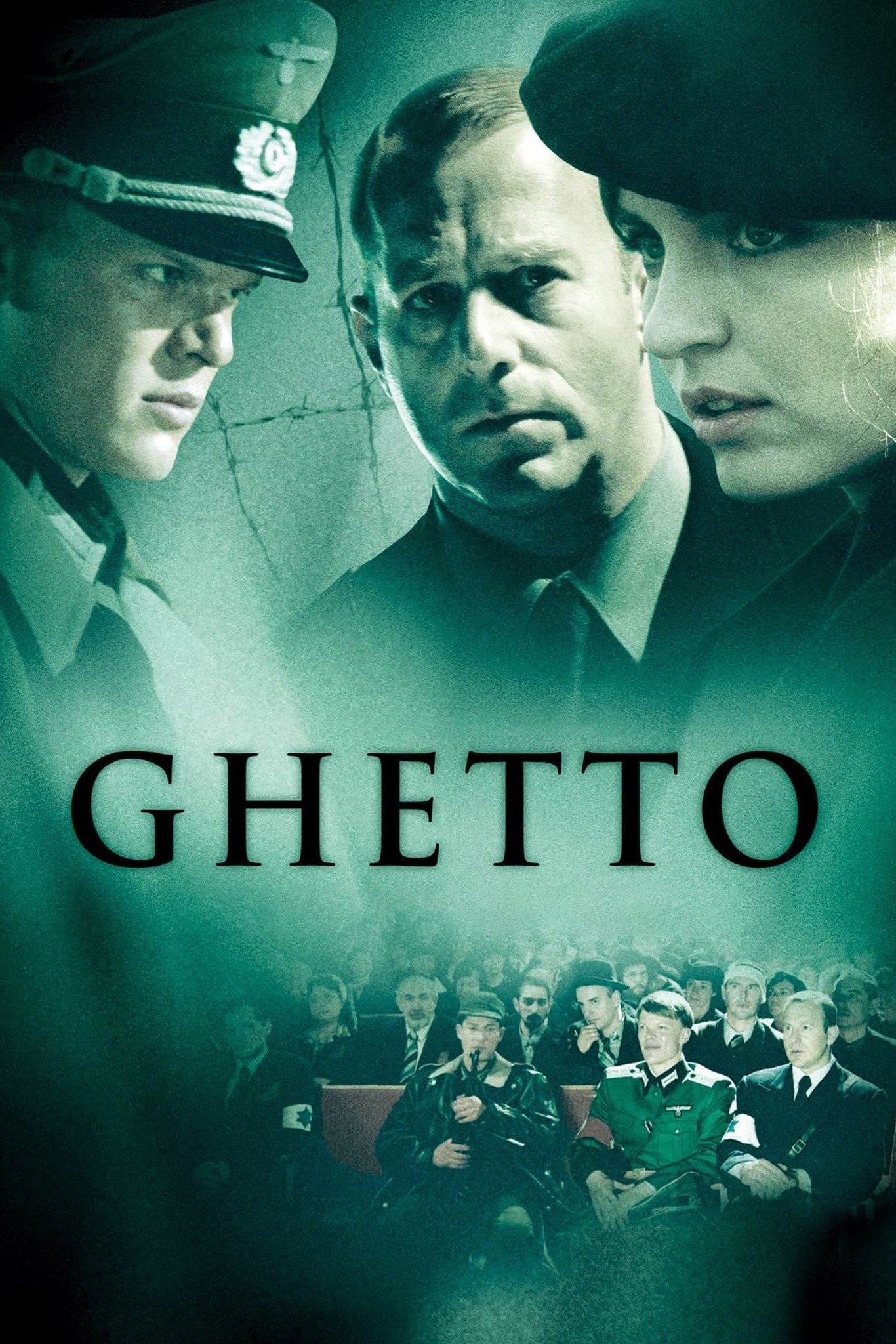
Ghetto (2006) character relationship network mapped with AI analysis. Explore the connections, alliances, and conflicts between characters.
A central leader of the ghetto theater who tries to preserve morale through performances and solidarity. He believes art can make life bearable and help the community survive, but protests unsuccessfu...
A German authority who orders the selection and deportation of hundreds of elderly Jews, insisting that only productive people can remain. He later helps bring about the closure of the theater.
A woman accused of stealing beans from a military warehouse who is recognized as the ghetto's 'nightingale' rather than treated as an ordinary thief. She is threatened with death unless she sings.
A workshop manager who shows the theater leadership a facility where uniforms are cleaned and repaired, offering costumes for performances. His facility is later ordered to become a large military-uni...
A participant in efforts to unite the ghetto's different groups who records discussions intended to build solidarity.
A mute doll used in a ventriloquist act at the ghetto gate. Through the performance, she helps entertain guards in exchange for food.
A comic ventriloquist who entertains guards at the ghetto gate with the help of a mute doll, receiving food in exchange for the performance.
Family, romantic, and professional connections based on plot evidence.
Kruk is pressured into helping the German operation after the theater is closed and the workshop is expanded.
Dessler is ordered to weigh the beans involved in the theft accusation against Haya.
Gens establishes a theater, and Srulik performs as a comic ventriloquist with Lina at the ghetto gate.
Haya is recognized as the ghetto's 'nightingale' and is threatened with death unless she sings, while Gens's theater uses performances to sustain the...
The Germans close the theater and order Weiskopf's facility to become a large military-uniform workshop.
Alliances, conflicts, and narrative interactions that evolve throughout the story.
Haya is threatened with death unless she sings, and Kittel later directs selections and deportations within the ghetto.
Gens protests that the German order will destroy the world he built, while Kruk is pressured into helping the operation.
Srulik entertains guards at the gate with the help of Lina, his mute doll, in exchange for food.
Gens creates a theater to preserve morale, while Dina Abramowitz records discussions intended to unite the ghetto's different groups.
Weiskopf shows Gens the workshop where uniforms are cleaned and repaired and offers costumes for the theater.
Gens protests when Kittel orders the theater closed and its facilities converted into a military-uniform workshop.
Under occupation, a confined community uses labor, performance, justice, and fragile solidarity to survive escalating German control.
Directed by Audrius Juzėnas
Ghetto (2006) · 6.8/10 · history, war
Related entry on Wikidata (Q327966), public domain (CC0).
Plot breakdown and analysis on this page are AI-generated from the title's synopsis and metadata.