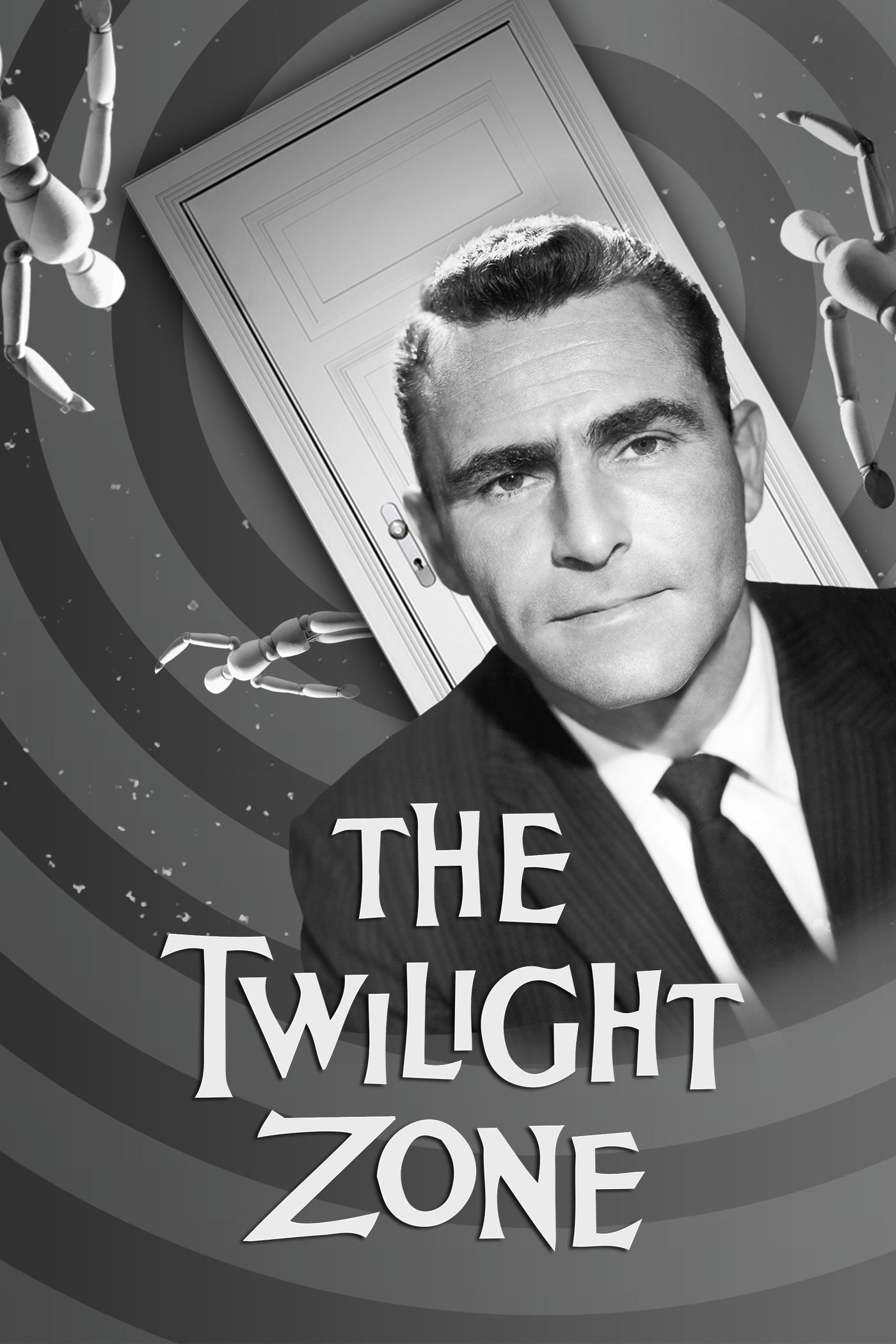
The Twilight Zone (1959) interactive character relationship network and AI-powered story timeline. Explore the connections, alliances, and conflicts between characters across the narrative arc.
An anthology of independent stories uses uncanny events to examine human behavior, social pressures, and the consequences of choice. The seasons share recurring themes rather than a continuous cast or single plot.
"Both appear in Season 5 as standalone cameo roles. Salesman (S5E3) experiences paranoia and isolation, while Little Girl (S5E6) represents innocence...
"Salesman (S5E3) is a passenger experiencing a crisis on an airplane. Officer (S3E16) is a police officer responding to a medical\/supernatural emerge...
"Officer appears in S3E16 as a wounded police officer responding to a crisis, while Salesman appears in S5E3 as a vulnerable traveler. Both occupy cam...
"Both are cameo roles with minimal screen time and no direct interaction. Wilcox appears in a 1960s time-travel hanging scene (S1E26), while Little Gi...
"Both are listed as cameo roles with low narrative importance. Wilcox appears in S1E26 as a minor figure in a time-displaced hanging scene, while Offi...
"Little Girl appears in S5E6 as a step-daughter involved in a doll horror plot. Wilcox appears in S1E26 as a minor character in a western\/time-travel...
Rating: 8.5/10 (1,088 votes)
The first season presents isolated characters confronted by altered identities, strange powers, and empty or unfamiliar worlds. Its stories repeatedly test the limits of perception and human judgment.
The second season turns ordinary desires, fears, and social institutions into sources of danger. Time shifts, supernatural bargains, and moral trials expose the consequences of human choices.
The third season explores social breakdown, authoritarian power, and isolation, while placing individuals in uncanny situations that challenge their assumptions. Several stories turn on whether people can trust one another or themselves.
The fourth season revisits the costs of nostalgia, authority, and attempts to remake life. Its characters confront technological, temporal, and personal boundaries, often discovering that control cannot guarantee a better outcome.
The final season brings together stories about guilt, family, conformity, machines, and survival. Strange encounters force characters to face the consequences of their actions and the limits of their control.
Plot analysis generated from content on Wikipedia, licensed under CC BY-SA 4.0.
Related entry on Wikidata (Q742103), public domain (CC0).