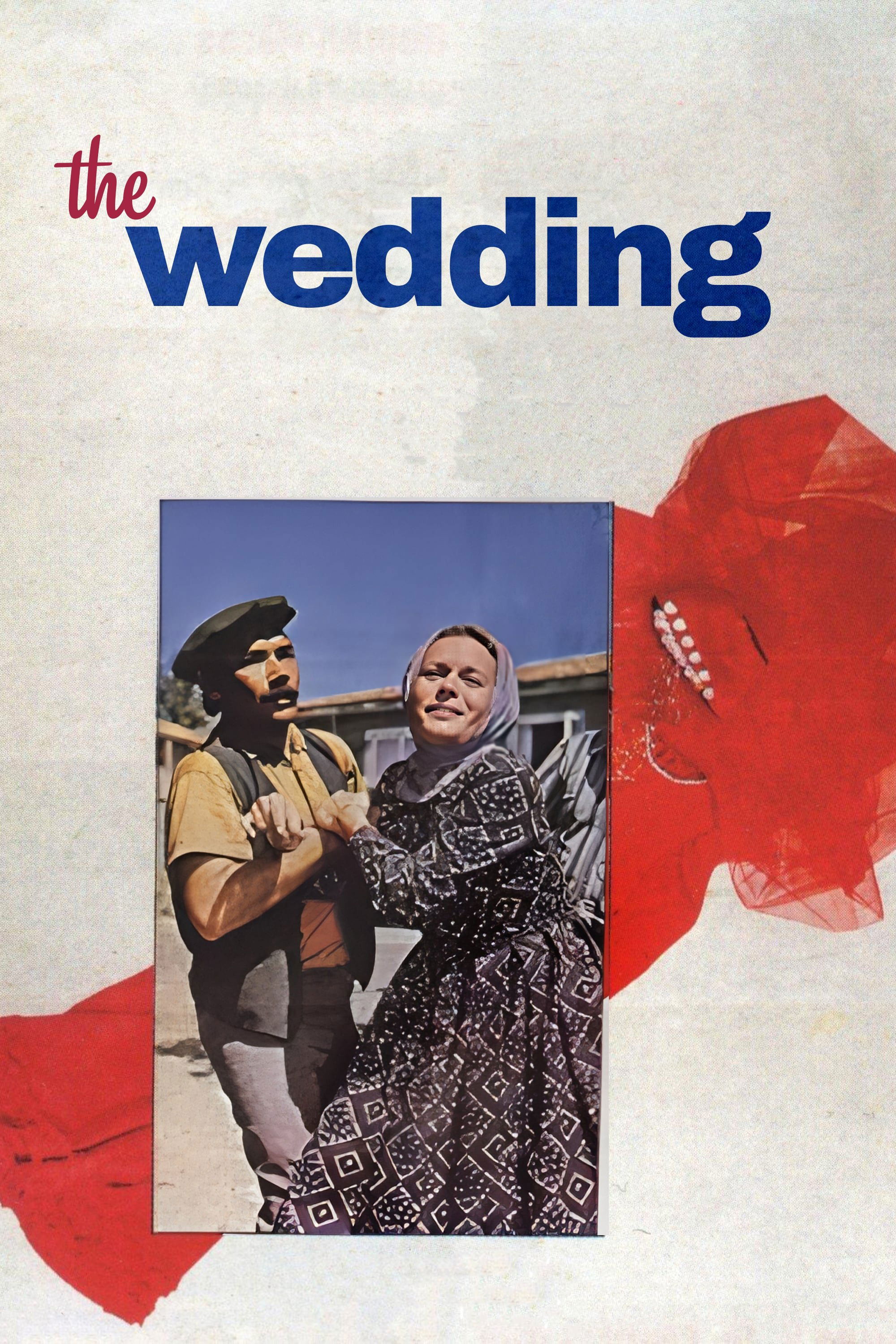
The Wedding (1973) character relationship network mapped with AI analysis. Explore the connections, alliances, and conflicts between characters.
Characters
Zelha
(played by Hülya Koçyiğit) — protagonist
Defiant sister who resists bride price tradition and saves her siblings.
Ferhat
(played by Ahmet Mekin) — protagonist
Love interest of Zelha, challenges traditional patriarchal norms.
Halil
(played by Kamran Usluer) — supporting
Family member upholding traditional customs, conflicts with progressive ideals.
Raşit
(played by Sırrı Elitaş) — minor
Wedding guest, represents societal pressure and traditional expectations.
Dayı
(played by Yaşar Şener) — minor
Uncle figure, enforces family hierarchy and bride price customs.
Bekir
(played by Turgut Boralı) — minor
Community elder, participates in traditional dispute resolutions.
Cabbar
(played by Altan Günbay) — minor
Wedding participant, embodies rural social dynamics and gossip.
Canonical Relationships
Family, romantic, and professional connections based on plot evidence.
Zelha → Dayı
(Power Traditional Authority) — Dayı represents the family authority that Zelha challenges.
Dayı is described as an uncle figure who enforces family hierarchy and bride-price customs, while Zelha resists those customs.
Zelha → Ferhat
(Romantic Love Interest) — Their relationship connects Zelha's personal feelings with resistance to patriarchal customs.
Ferhat is identified in the character profile as Zelha's love interest and as someone who challenges traditional patriarchal norms.
Story Dynamics
Alliances, conflicts, and narrative interactions that evolve throughout the story.
Halil → Dayı
(Alliance Traditional Family Alignment) — Both characters are associated with maintaining the family's traditional order.
Halil is described as upholding traditional family customs, while Dayı enforces family hierarchy and bride-price practices.
Zelha → Cabbar
(Social Community Acquaintance) — Cabbar represents the surrounding social environment observing the family conflict.
Cabbar is described as a wedding participant who embodies rural social dynamics and gossip.
Zelha → Raşit
(Social Pressure) — Raşit symbolizes the public expectations surrounding the wedding and bride-price system.
Raşit is described as a wedding guest who represents societal pressure and traditional expectations.
Zelha → Bekir
(Conflict Social Opponent) — Bekir embodies the community structure surrounding the customs Zelha rejects.
Bekir is described as a community elder who participates in traditional dispute resolutions, while Zelha's resistance creates a dispute with the famil...
Zelha → Halil
(Conflict Ideological Opponent) — Zelha's opposition to bride-price practices places her against Halil's traditional position.
The plot states that Zelha confronts the family's men, while Halil is described as a family member who upholds traditional customs.
Story Analysis
A migrant family's bride-price customs are challenged by Zelha's determined resistance.
Plot Progression
Migration and Old Customs
— The family moves from Şanlıurfa to Istanbul while continuing village traditions. The bride-price system is presented as a way to improve the family's economic position.
Zelha Rejects the System
— Zelha objects to giving daughters to the first suitor for money. Her resistance brings her into conflict with the family's male authority.
Pressure Before the Wedding
— The wedding setting gathers relatives and community figures who represent traditional expectations. The bride-price practice becomes an immediate source of pressure.
A Wedding Day Rebellion
— On the wedding day, Zelha acts against the unwanted arrangement involving her sibling. She confronts the family men despite their opposition.