Plot Analysis Summary
A year-long journey shows how sunlight, seasons, migration, and ecological pressure shape animal survival across the planet.
Story Structure — 5 Plot Phases
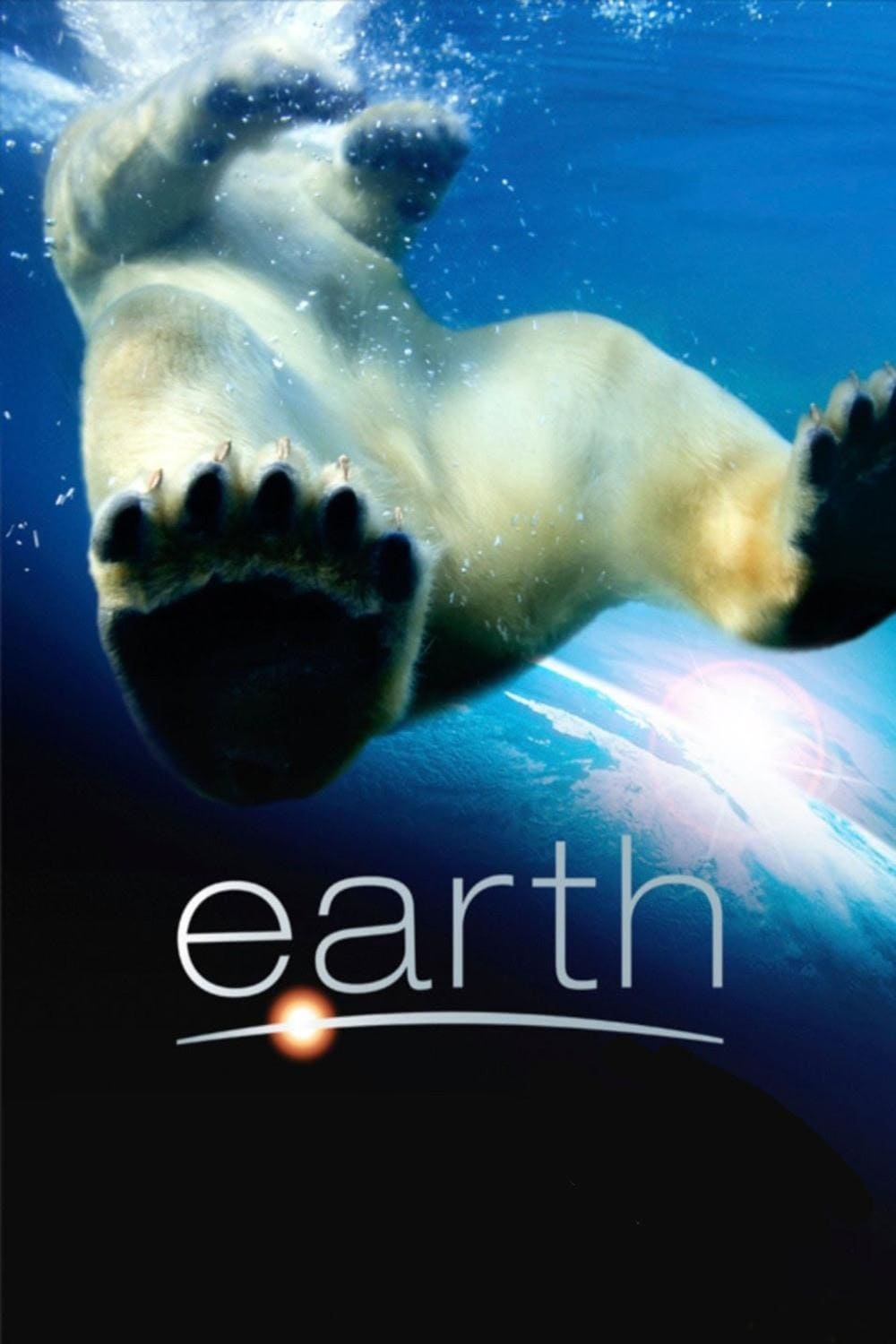
Arctic Survival
The film begins in the high Arctic as sunlight returns and a mother emerges with two cubs. Shrinking sea ice forces a difficult search for food and land.
Key Events
-
Arctic Winter Awakens — Winter darkness gives way to sunlight in the high Arctic.
Location: High Arctic
-
Cubs Leave the Den — A mother emerges from her den with two new cubs.
Location: Polar bear den
-
Journey to Hunting Ground — The mother leads the cubs toward a hunting ground before breakup.
Location: Arctic sea ice
-
Sea Ice Begins Breaking — Seasonal warming threatens the family’s access to hunting grounds.
Location: Arctic sea ice
-
Polar Bear Reaches Land — The mother and cubs retreat to dry land as the ice melts.
Location: Arctic coastline
-
Exhausted Swimmer — A male polar bear swims toward land after becoming trapped at sea.
Location: Arctic sea
-
Walrus Colony Attack — The exhausted bear reaches a walrus colony but fails to make a kill.
Location: Arctic island
-
Arctic Struggle Ends — The male bear dies from injuries sustained during the walrus attack.
Location: Arctic island
Desert Paths
The focus shifts to elephants crossing the Kalahari during the dry season. Dust, separation, predators, and scarce water test the herd before floodwaters arrive.
Key Events
-
Arctic Struggle Ends — The male bear dies from injuries sustained during the walrus attack.
Location: Arctic island
-
Desert Dust Storm — Elephants negotiate a dust storm during the dry season.
Location: Kalahari Desert
-
Herd Follows Ancient Paths — The herd follows inherited routes toward seasonal watering holes.
Location: Kalahari Desert
-
Mother and Calf Separated — A mother and calf become separated from the herd during the storm.
Location: Kalahari Desert
-
Shelter in the Storm — The separated pair survives the storm by reaching shelter.
Location: Kalahari Desert
-
Watering Hole Competition — The herd shares a temporary watering hole with lions and vultures.
Location: Kalahari watering hole
-
Night Elephant Attack — Lions attack a solitary elephant under cover of darkness.
Location: Kalahari Desert
-
Floodwaters Transform Desert — The herd reaches the Okavango Delta as floodwaters create a lush habitat.
Location: Okavango Delta
Oceanic Departure
A whale mother and calf leave tropical breeding grounds because food is scarce there. Their southward migration introduces distance, predators, and coordinated marine hunts.
Key Events
-
Floodwaters Transform Desert — The herd reaches the Okavango Delta as floodwaters create a lush habitat.
Location: Okavango Delta
-
Tropical Breeding Grounds — A whale mother and calf are shown in tropical breeding grounds.
Location: Tropical shallow seas
-
Migration Southward — The mother guides the calf toward rich feeding grounds near Antarctica.
Location: Open ocean
-
Predators Breach Nearby — Great white sharks breach while hunting during the migration.
Location: Dangerous ocean waters
-
Cooperative Fish Hunt — Sea lions, sailfish, and dolphins combine to bait a shoal of fish.
Location: Open ocean
Antarctic Refuge
The migrating whales reach polar waters as seasonal sunlight melts the sea ice. Sheltered bays offer access to rich feeding grounds and krill.
Key Events
-
Cooperative Fish Hunt — Sea lions, sailfish, and dolphins combine to bait a shoal of fish.
Location: Open ocean
-
Arrival in Polar Waters — The migrating whales enter polar waters by October.
Location: Antarctic waters
-
Sheltered Antarctic Bays — The Antarctic sun melts sea ice and forms sheltered bays.
Location: Antarctic bays
-
Bubble Net Feeding — The whales trap krill in bubble nets and feed together.
Location: Antarctic feeding grounds
A Living Year
The final images connect feeding, migration, danger, and renewal across the planet. The annual cycle shows how life responds to sunlight and seasonal change.
Key Events
-
Bubble Net Feeding — The whales trap krill in bubble nets and feed together.
Location: Antarctic feeding grounds
-
Seasonal Cycle Continues — The film closes by connecting animal survival to Earth’s seasonal cycle.
Location: Earth