Fata Morgana (1972) — AI Story Visualization

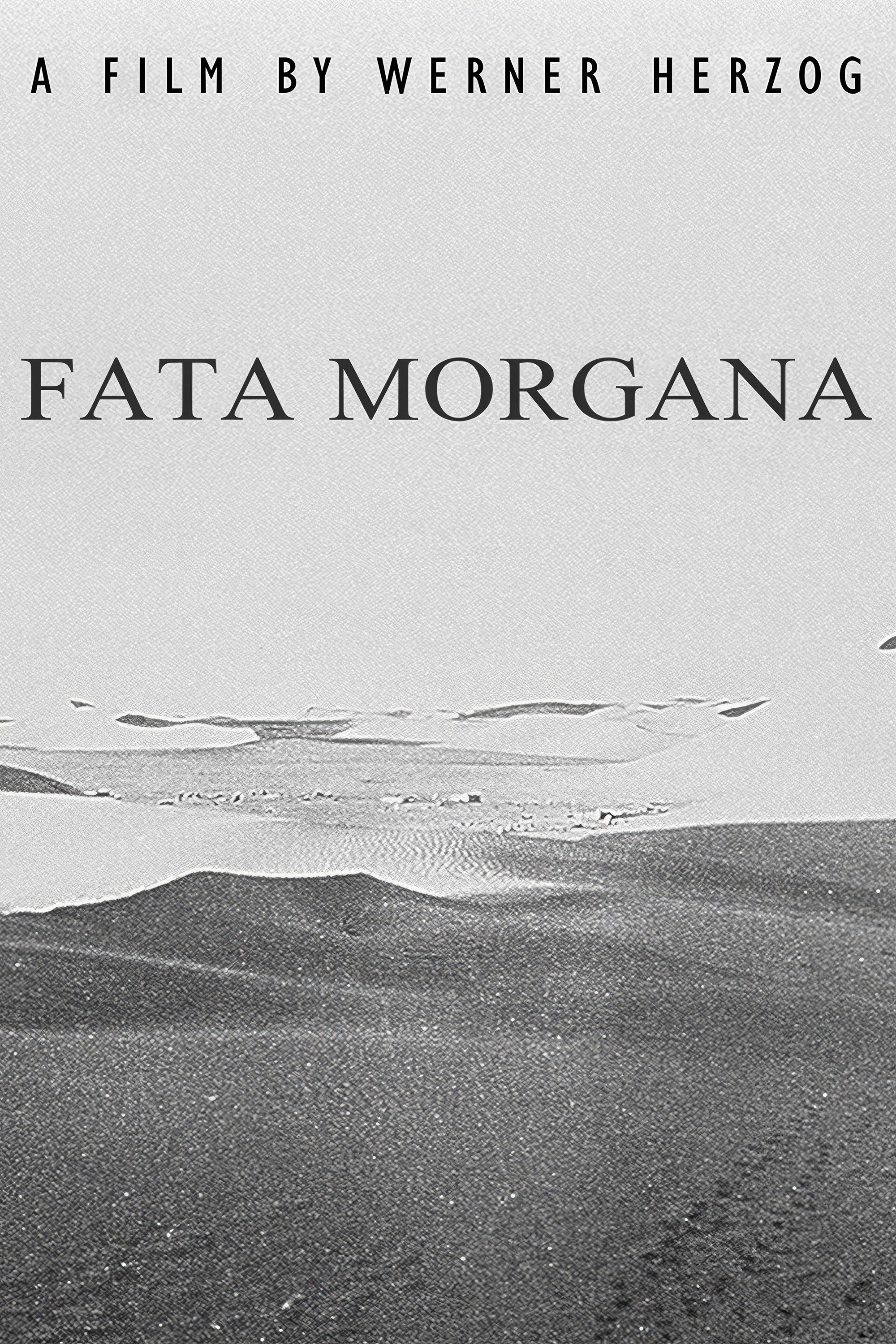
Fata Morgana (1972) Poster

Plot Analysis Summary

An experimental documentary exploring creation, discovery, and hallucination through three cinematic parts.

Story Structure — 4 Plot Phases

Mythological Prologue

Lotte H. Eisner introduces the Popol Vuh creation myth, establishing a narrative frame. The scene transitions to a plane landing on the alien planet Uxmal, revealing primeval landscapes and burning vents.

Key Events

Andromedan Exploration

Beings from the Andromeda Nebula discover Uxmal and produce a cinematic report. The footage shifts to industrial decay and ancient ruins, highlighting the tension between nature and civilization.

Key Events

Post-Apocalyptic Reflection

Survivors discuss a past disaster while nature reclaims the environment. The narrative moves into the Golden Age segment, where artistic performances begin to replace documentary observation.

Key Events

Artistic Hallucination

A brothel singer and matron perform synchronized songs, blending reality with performance. Each segment culminates in a powerful mirage, pushing the film into a surreal, hallucinatory conclusion.

Key Events

Story Breakdown

Shot under extreme conditions and inspired by Mayan creation theory, the film contemplates the illusion of reality and the possibility of capturing for the camera something which is not there. It is about the mirages of nature—and the nature of mirage.

Directed by

Werner Herzog

Key Cast

Rating: 6.5/10 (86 votes)

Content sources

Plot analysis generated from content on Wikipedia, licensed under CC BY-SA 4.0.

Related entry on Wikidata (Q2266061), public domain (CC0).