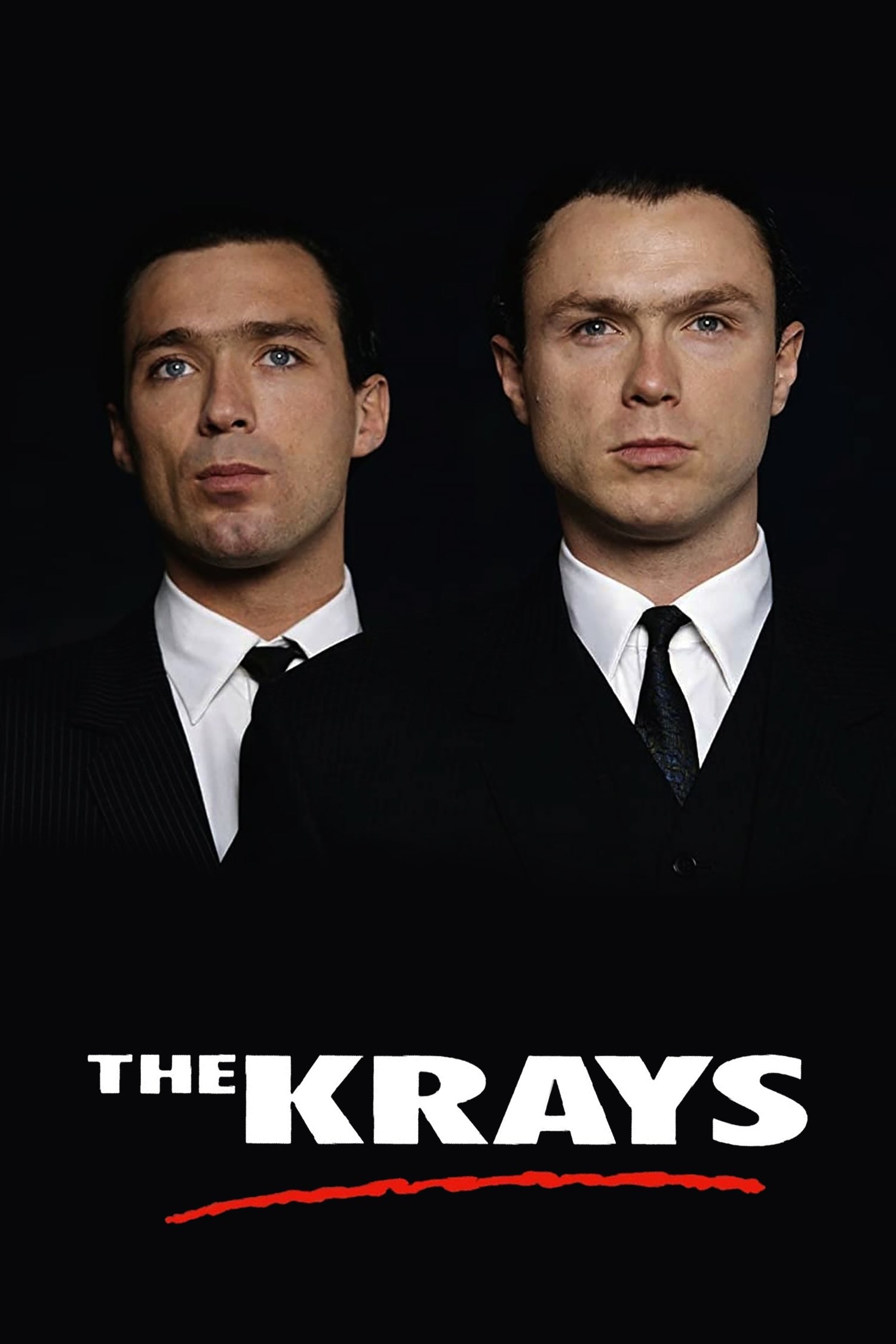
The Krays (1990) character relationship network mapped with AI analysis. Explore the connections, alliances, and conflicts between characters.
Ronald is one of the Kray twins and the dominant force in his relationship with his brother, Reggie. As the twins rise to lead a powerful organised gang in 1960s London, Ronald influences Reggie to ca...
Reggie is Ronald's twin brother and is repeatedly influenced by Ronald, the dominant of the two, as they rise to power as leaders of an organised gang in 1960s London. The story follows Reggie from ch...
Violet is the twins' doting mother and a central figure in the film's account of their family life. The story follows Ronald and Reggie from childhood to adulthood, with their relationship with Violet...
Jack 'The Hat' McVitie is suspected of cheating Ronald and Reggie. Reggie confronts him but allows him to leave with a warning. Jack's insults and apparent disregard for the brothers' threat suggest t...
George Cornell is an opponent of the Kray brothers. The account places him among the rivals whose hostility toward them is described as personal. His presence contributes to the growing danger and opp...
Cannonball Lee is the opponent Ronald faces at a boxing show when the twins are boys. Ronald steps into the ring and wins against him, an early experience that reveals the brothers' appetite for fight...
Family, romantic, and professional connections based on plot evidence.
Violet gives birth to Reggie and raises him with fierce devotion, protecting him when illness and harsh conditions threaten his health.
Violet gives birth to Ronald and raises him with fierce devotion, protecting him when illness and harsh conditions threaten his health.
The plot identifies Ronald and Reggie as twins and says Ronald repeatedly influences Reggie to carry out violence.
Alliances, conflicts, and narrative interactions that evolve throughout the story.
The plot says the brothers face opposition from George Cornell and describes the hostility as personal.
The plot says the brothers face opposition from George Cornell and describes the hostility as personal.
Jack is suspected of cheating the Kray brothers, and others urge the brothers to deal with him more harshly after Reggie lets him leave.
When Jack is suspected of cheating the brothers, Reggie confronts him and lets him leave with a warning. Jack's insults and disregard for the threat s...
At a boxing show, Ronald steps into the ring and wins against Cannonball Lee.
The story follows the twins from a devoted family upbringing into a violent criminal world, where power, loyalty, and personal consequences remain unresolved.
Directed by Peter Medak
The Krays (1990) · 6/10 · crime, drama, history
Related entry on Wikidata (Q12125426), public domain (CC0).
Plot breakdown and analysis on this page are AI-generated from the title's synopsis and metadata.