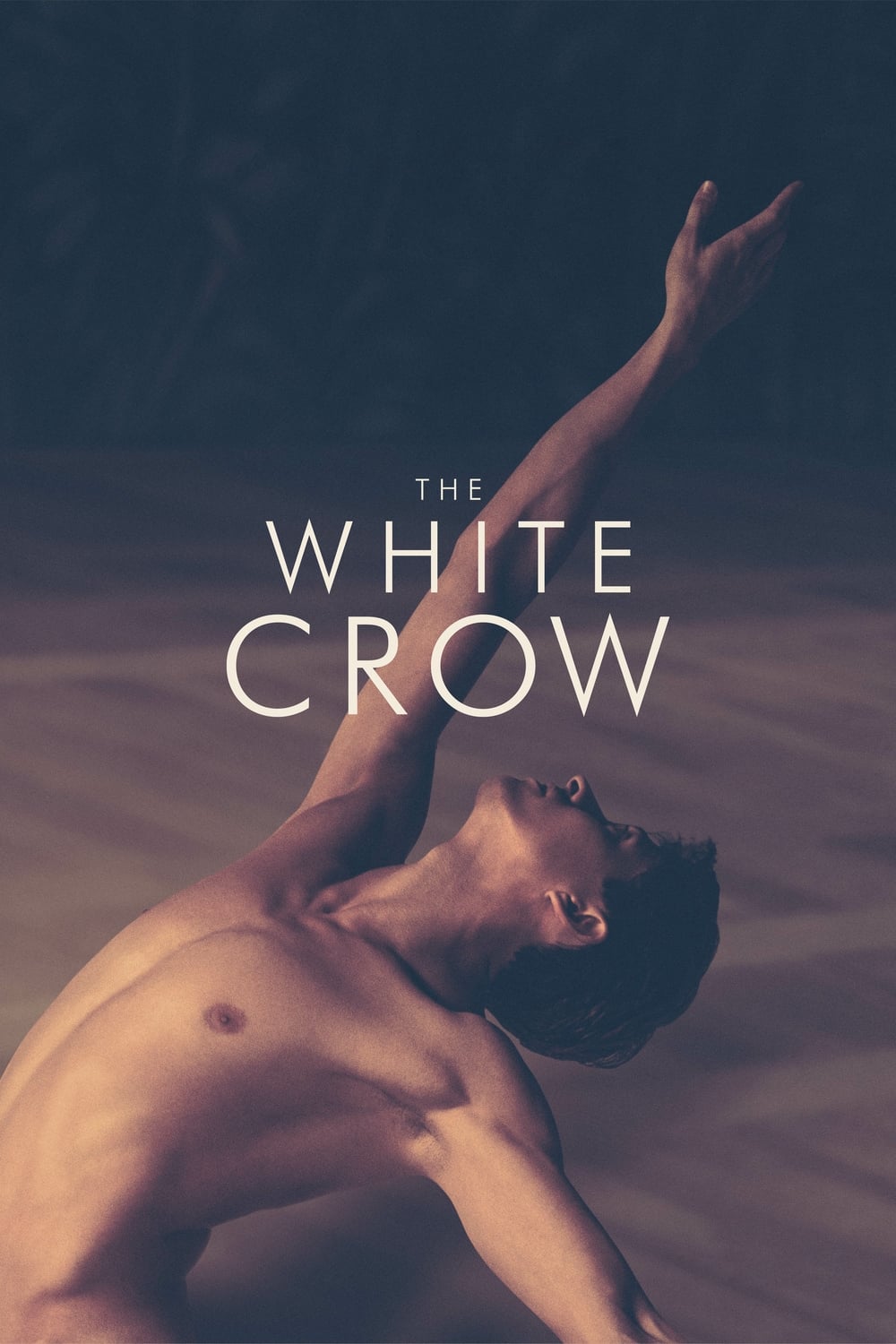
A tense exchange examines whether Rudolf Nureyev's movement toward the West is political defection or an artistic decision.
Story Structure — 4 Plot Phases
Accusation Takes Shape
The sequence opens with direct questioning about Rudolf Nureyev's plans and possible defection. Repeated denials fail to remove the pressure surrounding his departure.
Key Events
Interrogation Opens — The sequence begins with tense questioning about Rudolf Nureyev and a possible defection. Characters: Rudolf NureyevLocation: Interrogation setting
Plans Are Questioned — The interrogator asks whether anyone knew what Rudolf Nureyev was planning. Characters: Rudolf NureyevLocation: Interrogation setting
Defection Mentioned — The questioning asks whether Rudolf Nureyev had ever spoken about defection. Characters: Rudolf NureyevLocation: Interrogation setting
Denials Continue — The answers remain firm and repetitive, with no admission that defection was discussed. Characters: Rudolf NureyevLocation: Interrogation setting
Departure Reframed — Authorities frame Rudolf Nureyev's departure as an attack upon the Soviet Union. Characters: Rudolf NureyevLocation: Interrogation setting
Political Accusation — A personal decision is transformed into a political accusation against Rudolf Nureyev. Characters: Rudolf NureyevLocation: Interrogation setting
Art Against Politics
The argument reframes Rudolf Nureyev's movement toward the West as a choice driven by dance. A counterargument insists that he could have danced in the Soviet Union.
Key Events
Political Accusation — A personal decision is transformed into a political accusation against Rudolf Nureyev. Characters: Rudolf NureyevLocation: Interrogation setting
Dance Defense — The defense centers on dance rather than ideology. Characters: Rudolf NureyevLocation: Interrogation setting
Politics Rejected — It is argued that Rudolf Nureyev knows nothing about politics. Characters: Rudolf NureyevLocation: Interrogation setting
Westward Opportunity — The defense says he went West because he could dance there. Characters: Rudolf NureyevLocation: Interrogation setting
Counterargument Raised — The counterargument states that Rudolf Nureyev could also dance in the Soviet Union. Characters: Rudolf NureyevLocation: Interrogation setting
Dispute Remains Open — The argument over political choice and artistic freedom remains unresolved. Characters: Rudolf NureyevLocation: Interrogation setting
Temperament And Distress
Attention shifts from ideology to Rudolf Nureyev's intense character. A cry of distress and a reassurance about a mother introduce a personal emotional disturbance.
Key Events
Dispute Remains Open — The argument over political choice and artistic freedom remains unresolved. Characters: Rudolf NureyevLocation: Interrogation setting
Temperament Considered — The discussion shifts toward Rudolf Nureyev's intense and independent temperament. Characters: Rudolf NureyevLocation: Interrogation setting
Character Explosion Suggested — Someone suggests that Rudolf Nureyev may have experienced an explosion of character. Characters: Rudolf NureyevLocation: Interrogation setting
Distress Interrupts — A cry of pain or distress breaks through the ongoing exchange. Characters: Rudolf NureyevLocation: Unspecified setting
Personal Name Called — The distress is followed by the spoken name associated with Rudolf Nureyev. Characters: Rudolf NureyevLocation: Unspecified setting
Mother Mentioned — A brief reassurance states that a mother will recover. Characters: Rudolf NureyevLocation: Unspecified setting
Courtesy At The Border
The closing exchange concerns immigration and the return of a passport. Rudolf Nureyev offers thanks, but the accusations and artistic dispute remain unresolved.
Key Events
Mother Mentioned — A brief reassurance states that a mother will recover. Characters: Rudolf NureyevLocation: Unspecified setting
Immigration Procedure — The final exchange shifts from interrogation to immigration procedures. Characters: Rudolf NureyevLocation: Immigration checkpoint
Passport Requested — Rudolf Nureyev is told to return his passport after immigration. Characters: Rudolf NureyevLocation: Immigration checkpoint
Multilingual Thanks — Rudolf Nureyev responds with thanks in more than one language. Characters: Rudolf NureyevLocation: Immigration checkpoint
Courtesy Without Resolution — The exchange ends courteously while the political and artistic dispute remains unresolved. Characters: Rudolf NureyevLocation: Immigration checkpoint
Story Breakdown
Interrogation Pressure — Questioning focuses on Rudolf Nureyev's plans and possible defection.
Plans Questioned — The interrogator asks whether anyone knew what Rudolf Nureyev was planning.
Repeated Denials — The answers deny that defection had ever been discussed.
Political Accusation — Authorities interpret Rudolf Nureyev's departure as an attack upon the Soviet Union.
Departure Reframed — A personal decision is treated as a political offense.
Ideological Dispute — The exchange questions whether movement toward the West was political.
Dance As Defense — The defense explains Rudolf Nureyev's choice through artistic opportunity rather than ideology.
Artistic Motivation — It is argued that he went West because he could dance there.
Soviet Counterpoint — The opposing view says he could also dance in the Soviet Union.
Independent Temperament — The discussion considers whether Rudolf Nureyev's intense character shaped his actions.
Character Explosion — Someone suggests an explosion of character may explain his behavior.
Unresolved Interpretation — His temperament is considered without settling the larger accusation.
Personal Disturbance — A cry of pain or distress interrupts the confrontation and introduces emotional vulnerability.
Cry Of Pain — A sudden cry breaks through the ongoing exchange.
Maternal Reassurance — A brief statement says that a mother will recover.
Immigration Closure — The sequence ends with passport procedures and courteous thanks rather than a clear resolution.
Passport Returned — Rudolf Nureyev is told to return his passport after immigration.
Polite Departure — He responds with thanks in more than one language.
The story of Rudolf Nureyev, whose escape to the West stunned the world at the height of the Cold War. With his magnetic presence, Nureyev emerged as ballet’s most famous star, a wild and beautiful dancer limited by the world of 1950s Leningrad. His flirtation with Western artists and ideas led him into a high-stakes game of cat and mouse with the KGB.