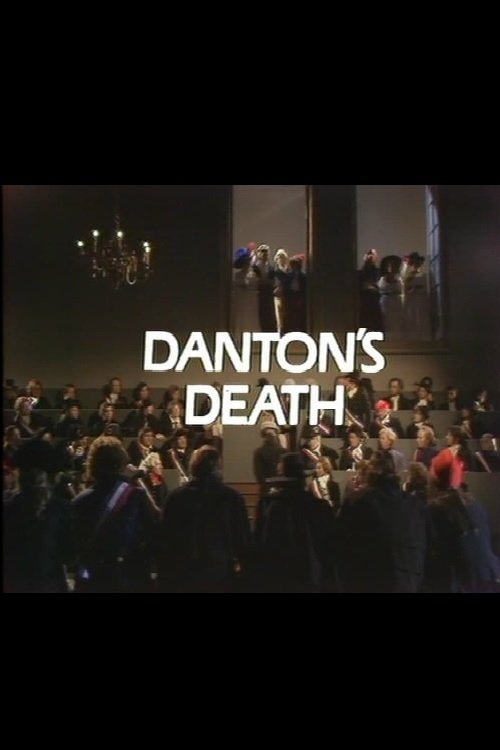
Story Structure — 5 Plot Phases
Terror Takes Hold
The Reign of Terror is already established, and the guillotine has become central to revolutionary power. Danton is introduced as a major figure from the Revolution's earlier phase.
Key Events
-
Reign of Terror Established — The Reign of Terror is already firmly established when the story begins. Characters: Robespierre, Saint-Just, Danton
Location: Revolutionary France
-
Revolutionary Violence Expands — The revolutionary process moves toward increasingly widespread executions. Characters: Robespierre, Saint-Just
Location: Revolutionary France
-
Danton's Revolutionary Reputation — Danton is identified as a great hero of the Revolution's early phase. Characters: Danton
Location: Revolutionary France
-
Guillotine Excesses Intensify — The excesses of the guillotine become a defining feature of the political crisis. Characters: Danton, Robespierre, Saint-Just
Location: Revolutionary France
Danton Turns Against Violence
Danton becomes sickened by the executions associated with the guillotine he helped create. He begins seeking an end to the excesses of revolutionary violence.
Key Events
-
Guillotine Excesses Intensify — The excesses of the guillotine become a defining feature of the political crisis. Characters: Danton, Robespierre, Saint-Just
Location: Revolutionary France
-
Danton Becomes Sickened — Danton becomes sickened by the violence of the guillotine he helped create. Characters: Danton
Location: Revolutionary France
-
A Call To Halt — Danton decides that the revolutionary executions must be brought to an end. Characters: Danton
Location: Revolutionary France
-
Jacobin Resistance — Danton's demand for restraint confronts the continuing authority of the Jacobin leaders. Characters: Robespierre, Saint-Just, Danton
Location: Revolutionary France
Jacobin Zeal Hardens
Robespierre and Saint-Just, leading the Jacobins, reject the movement toward restraint. Their puritanical commitment drives the Revolution toward further bloodshed.
Key Events
-
Puritanical Revolutionary Zeal — Robespierre and Saint-Just maintain a ferocious commitment to the revolutionary cause. Characters: Robespierre, Saint-Just
Location: Revolutionary France
-
The Revolution's Wild Horses — The Jacobin leaders spur on what the synopsis calls the wild horses of the Revolution. Characters: Robespierre, Saint-Just
Location: Revolutionary France
-
Danton Challenges Terror — Danton's opposition directly challenges the political logic sustaining the Terror. Characters: Danton, Robespierre, Saint-Just
Location: Revolutionary France
-
Early Revolution Reconsidered — Danton's earlier revolutionary role is reconsidered in light of the violence that followed. Characters: Danton
Location: Revolutionary France
The Political Divide
Danton's call for a halt comes into direct conflict with the Jacobin leadership. The opposing visions of revolutionary justice become increasingly irreconcilable.
Key Events
-
Early Revolution Reconsidered — Danton's earlier revolutionary role is reconsidered in light of the violence that followed. Characters: Danton
Location: Revolutionary France
-
Jacobin Purity Prevails — Robespierre and Saint-Just continue to privilege revolutionary purity over restraint. Characters: Robespierre, Saint-Just
Location: Revolutionary France
-
Political Divide Deepens — The conflict between Danton's moderation and Jacobin zeal becomes increasingly irreconcilable. Characters: Danton, Robespierre, Saint-Just
Location: Revolutionary France
-
Terror Becomes Bloodbath — The established Terror spills over into what the synopsis describes as a total bloodbath. Characters: Robespierre, Saint-Just, Danton
Location: Revolutionary France
Bloodbath And Ruin
The Reign of Terror spills into a total bloodbath as revolutionary zeal reaches its peak. The drama resolves around the destructive contradiction between liberation and terror.
Key Events
-
Danton's Opposition Isolated — Danton's attempt to halt the violence stands against the dominant Jacobin direction. Characters: Danton, Robespierre, Saint-Just
Location: Revolutionary France
-
Revolutionary Zeal Peaks — The Jacobin leaders' zeal reaches its most destructive expression. Characters: Robespierre, Saint-Just
Location: Revolutionary France
-
Danton's Political Defeat — Danton's effort to stop the bloodshed is overwhelmed by the Jacobin leadership. Characters: Danton, Robespierre, Saint-Just
Location: Revolutionary France
-
Revolutionary Tragedy — The drama closes on the destructive contradiction between revolutionary ideals and terror. Characters: Robespierre, Danton, Saint-Just
Location: Revolutionary France