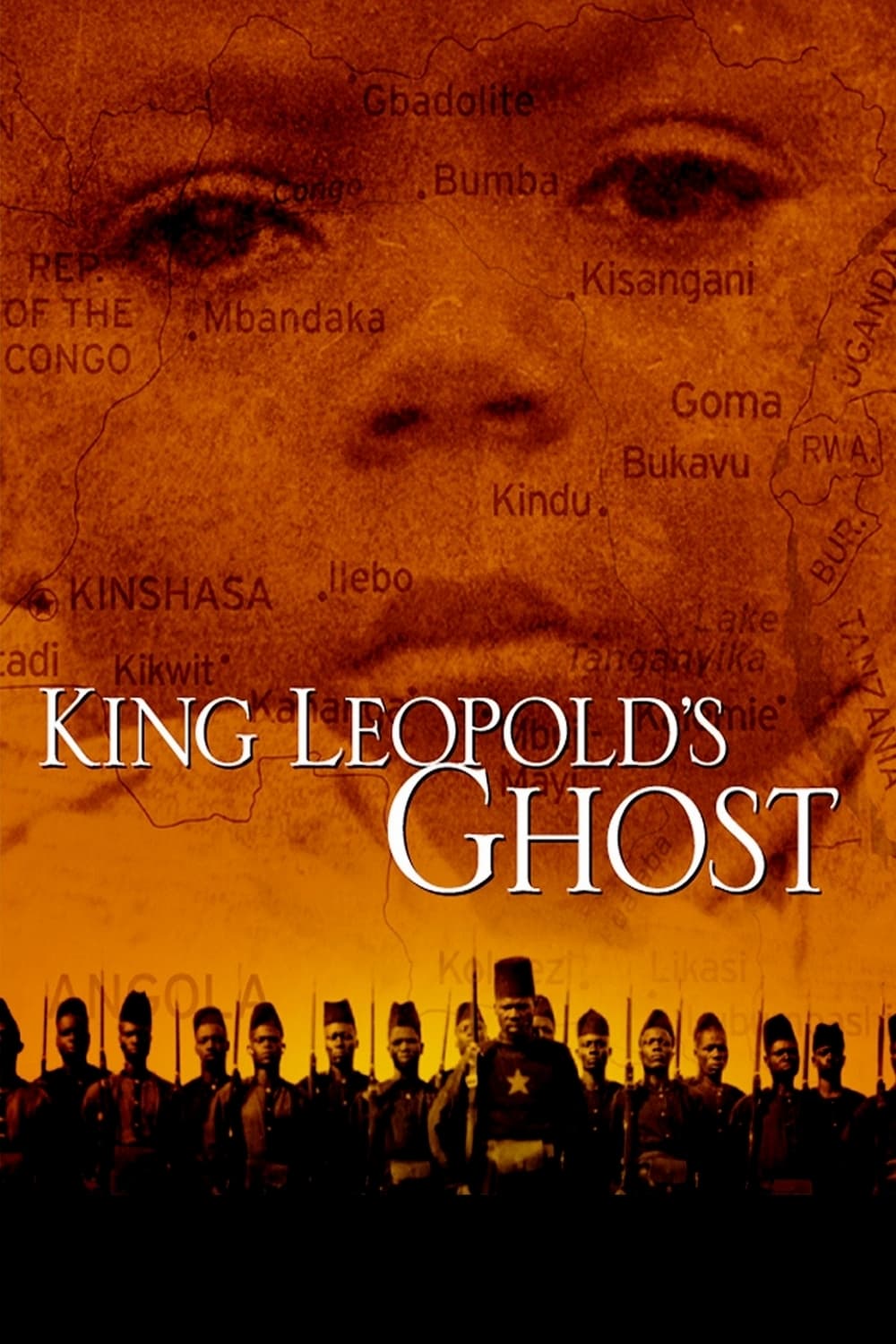
Plot Analysis Summary
The documentary contrasts humanitarian claims with exploitation in the Congo, traces the testimony and campaign for justice, and connects colonial violence to the country's later struggles and future.
Story Structure — 5 Plot Phases
Benevolence and Hidden Profit
The documentary introduces Africa as a colonial prize and contrasts public humanitarian claims with private correspondence about ivory. It describes the Congo as a resource to be controlled and local people as laborers and carriers.
Key Events
-
Africa Divided as a Prize — Early accounts describe Africa as a prize to be divided among colonial powers.
Location: Africa
-
Stanley's Diary Records Violence — A 1875 diary records Stanley shooting African people as though they were animals.
Location: Congo
-
Leopold Presents Humanitarian Aims — The king publicly presents his plans as philanthropy and opposition to the slave trade.
Location: Public statements
-
Ivory Reveals Commercial Ambition — Private correspondence about ivory exposes commercial ambition behind public claims.
Location: Private correspondence
-
Congo Claimed and Controlled — The Congo is described as a resource to be claimed and controlled.
Location: Congo
Testimony of Coercion
Former colonial officials, missionaries, and witnesses recount coercion, punishment, and forced carrying. Accounts from a village elder and Ilanga make the suffering of people under the regime central.
Key Events
-
Local People Forced to Labor — Local people are reduced to laborers and carriers for the colonial project.
Location: Congo
-
Officials Describe Coercion — Former colonial officials recount coercion and punishment in the colonial system.
Location: Congo
-
Heavy Loads and Punishment — Accounts describe people forced to carry heavy loads and subjected to punishment.
Location: Congo
-
Village Elder Gives an Account — A village elder's account gives voice to people suffering under the regime.
Location: A Congolese village
-
Ilanga Testifies — Ilanga's testimony contributes an account of suffering under the regime. Characters: Ilanga (voice)
Location: Congo
Evidence and Public Challenge
Reports sent to British authorities and condemnations by critics add to the record of atrocities. Casement's voice is linked to testimony and calls for justice as accounts reach international audiences.
Key Events
-
Reports Reach British Authorities — Reports sent to British authorities describe atrocities in the Congo.
Location: British authorities
-
Critics Condemn the Administration — The printer for W. Sheppard and other critics condemn the administration as murderers.
Location: Congo administration
-
Casement Linked to Testimony — Casement's voice is associated with testimony and calls for justice. Characters: Roger Casement (voice)
Location: Congo testimony
-
Testimony Reaches Audiences — Accounts of abuse reach audiences beyond the Congo.
Location: International audiences
-
Open Letters Challenge the King — Open letters to the king and American officials challenge claims of benevolence.
Location: International correspondence
Justice Amid Imperial Rivalries
Open letters challenge claims of benevolence, while reports describe crimes against humanity. The documentary places the campaign within wider conflicts and competing colonial ambitions, and notes that exposure cannot reverse the damage.
Key Events
-
Crimes Against Humanity Alleged — Reports argue that crimes against humanity are being committed in the Congo.
Location: Congo
-
Colonial Ambitions in Context — The documentary situates the campaign amid wider conflicts and competing colonial ambitions.
Location: Africa
-
Calls for Justice Grow — Calls for justice and mercy intensify, though exposure cannot undo the damage.
Location: International campaign
Unity and Unfinished Legacy
The closing perspective shifts to the Congo's later political struggles and a speech defending the country's unity through difficult compromises. The film ends by connecting colonial exploitation and resistance with continuing debate about the Congo's future.
Key Events
-
Congo's Later Political Struggles — The closing perspective turns to the Congo's later political struggles.
Location: Congo
-
A Speech Defends Unity — A speech insists the country is indivisible and its unity must be defended through difficult compromises.
Location: Congo
-
Colonial Legacy and Future — The film connects exploitation and resistance to debate over the Congo's future.
Location: Congo