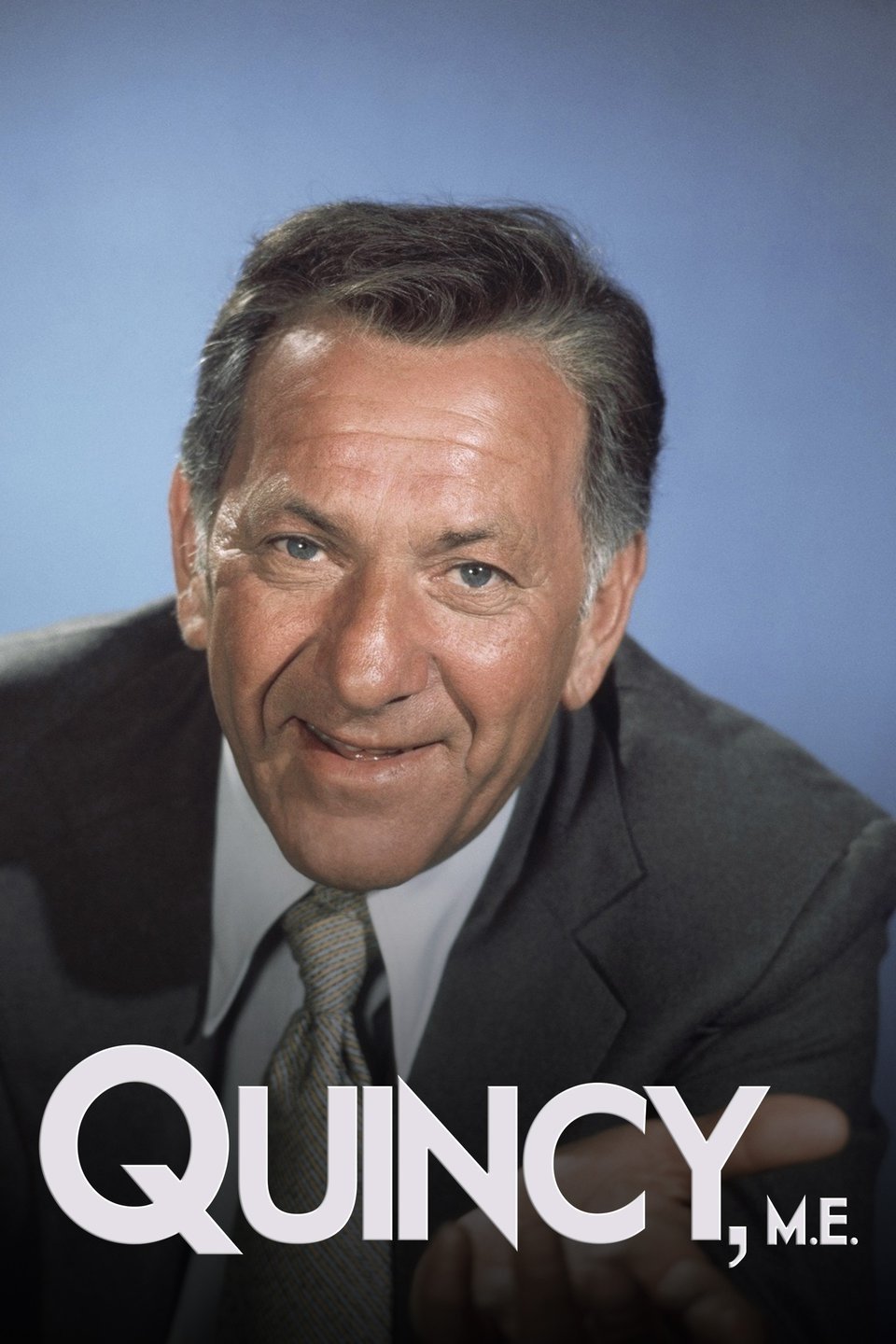
Quincy, M.E. (1976) interactive character relationship network and AI-powered story timeline. Explore the connections, alliances, and conflicts between characters across the narrative arc.
Across eight seasons, Quincy develops from a forensic investigator challenging individual death classifications into a broader advocate for medical accountability, public health, and vulnerable communities.
"S1E2 to S8E21, their dynamic represents the tension between scientific truth and institutional bureaucracy."
"S8E13 to S8E19, their relationship introduces emotional depth and psychological complexity to Quincy's character."
"S3E1 to S8E10, they share equal decision-making authority in the field, with mutual respect overriding hierarchy."
"S1E4 to S8E13, their interactions bridge the gap between street-level policing and laboratory science."
"S4E14 to S4E15, Colella serves as a microcosm of the medical corruption Quincy consistently fights."
"S4E6 to S6E7, Sam assists Asten in lab operations and joint field missions when Quincy is unavailable."
"S5E16 to S7E17, they collaborate on integrating psychological profiling into standard forensic protocols."
"S7E1 to S8E10, Sam and Emily coordinate on cases involving trauma and behavioral patterns."
Rating: 7.5/10 (124 votes)
Quincy establishes his method by questioning police assumptions and institutional explanations. His investigations connect forensic work with wider social and administrative failures.
The cases expand from individual murders to epidemics, medical disagreement, abuse, radiation, and institutional neglect. Quincy increasingly treats forensic evidence as a basis for public accountability.
Quincy confronts hidden bodies, police misconduct, terrorism, corporate concealment, and political violence. The stakes rise from local investigations to threats affecting whole communities.
Medical negligence, environmental contamination, aircraft disaster, police brutality, and professional misconduct dominate the season. Quincy's personal life also becomes more visible as his work repeatedly disrupts intimacy.
Quincy investigates unsafe drugs, abuse, hospital discrimination, prison violence, and political danger. His work increasingly challenges systems that protect profit, reputation, or authority.
Forensic innovation and institutional resistance become central concerns. Quincy faces cases involving new identification methods, wrongful conclusions, medical research, and public danger.
Quincy moves beyond determining causes of death and campaigns against dangerous policies, pollution, violence, and unequal medical access. His cases increasingly demand sustained social action.
The final season combines public-health investigations with professional dilemmas and Quincy's interrupted wedding plans. The closing cases balance institutional criticism with guarded hope in medical innovation and child protection.
Plot analysis generated from content on Wikipedia, licensed under CC BY-SA 4.0.
Related entry on Wikidata (Q1247732), public domain (CC0).