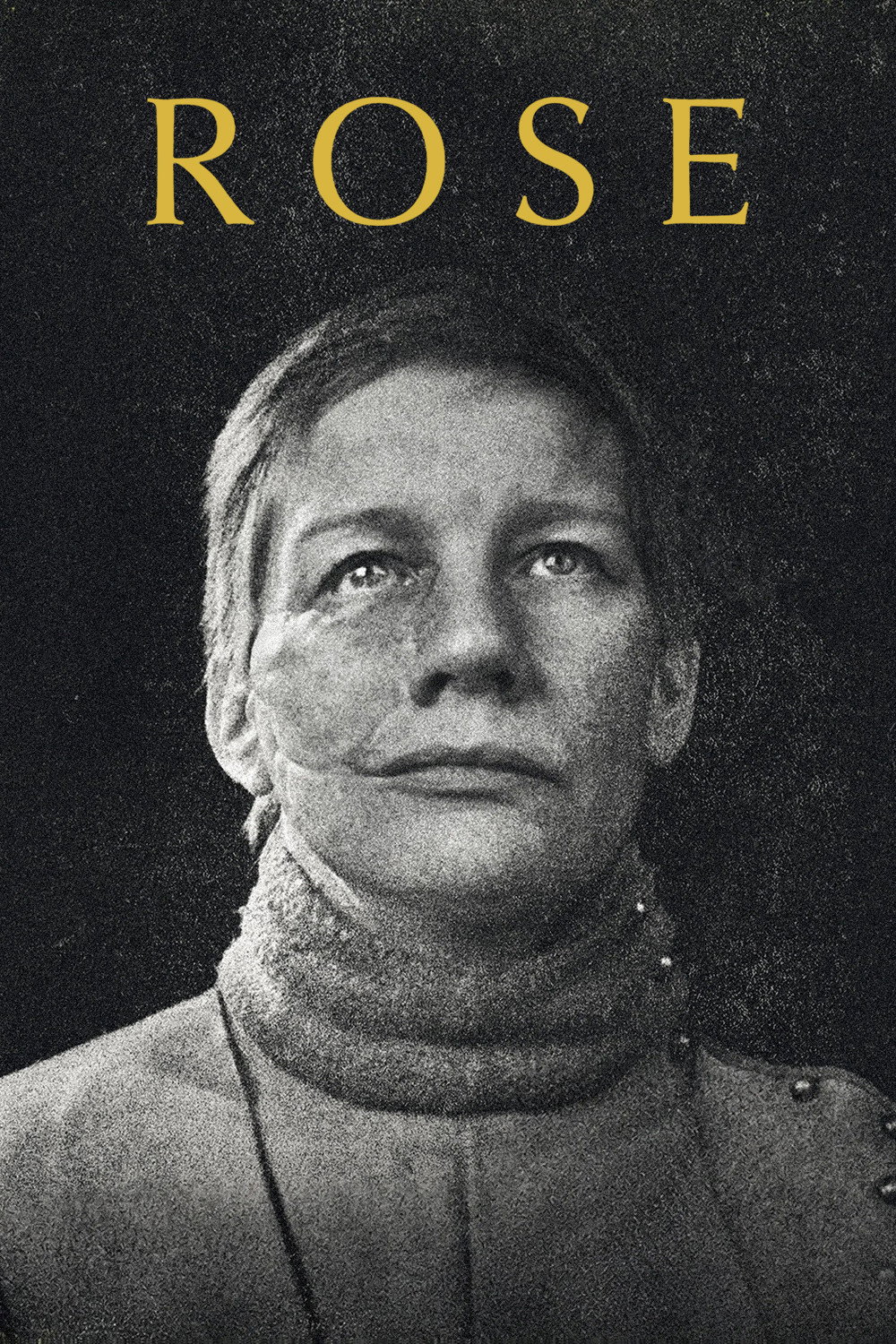
Plot Analysis Summary
A soldier constructs an identity as an heir and considers marriage as deception, belonging, and stability become intertwined.
Story Structure — 4 Plot Phases
A Stranger Claims Inheritance
Rose arrives in a remote Protestant village shortly after the Thirty Years' War. The soldier claims to be the missing heir to a neglected estate and presents supporting documents.
Key Events
-
Postwar Setting — The story begins shortly after the Thirty Years' War in a remote Protestant village. Characters: Rose
Location: Remote Protestant village
-
Rose Arrives — A soldier named Rose arrives in the isolated village. Characters: Rose
Location: Remote Protestant village
-
Soldier's Identity — Rose is introduced as a soldier seeking a new place in the village. Characters: Rose
Location: Remote Protestant village
-
Heir's Claim — Rose claims to be the missing heir to a neglected estate. Characters: Rose
Location: Neglected estate
-
Supporting Documents — Rose presents documents intended to support the claim of inheritance. Characters: Rose
Location: Remote Protestant village
Suspicion In The Village
The villagers respond to Rose's claim with caution and suspicion. Rose nevertheless attempts to integrate into the wary community while seeking stability and belonging.
Key Events
-
Neglected Estate — The estate connected to Rose's claimed inheritance is described as neglected. Characters: Rose
Location: Neglected estate
-
Villagers Become Suspicious — The villagers respond to Rose's claim with caution and suspicion. Characters: Rose
Location: Remote Protestant village
-
Acceptance Attempt — Rose attempts to integrate into the wary community. Characters: Rose
Location: Remote Protestant village
-
Need For Belonging — Rose seeks stability and a place to belong within the community. Characters: Rose
Location: Remote Protestant village
The Identity Beneath
Rose's assumed name and hidden gender expose the deceptive foundation of the plan. The pursuit of acceptance becomes tied to maintaining a constructed identity.
Key Events
-
Assumed Name — Rose's identity is revealed to be built on an assumed name. Characters: Rose
Location: Remote Protestant village
-
Hidden Gender — Rose hides their true gender while presenting the assumed identity. Characters: Rose
Location: Remote Protestant village
-
Deception Continues — Rose continues pursuing acceptance through a deceptive identity and supporting documents. Characters: Rose
Location: Remote Protestant village
-
Stability Strategy — Rose's plan expands beyond inheritance to securing a stable future. Characters: Rose
Location: Remote Protestant village
A Marriage For Belonging
Rose considers an arranged marriage with Suzanna, the daughter of a leading local farmer. The possibility reveals the lengths Rose is willing to go to secure stability and a future in the village.
Key Events
-
Suzanna Introduced — Suzanna is identified as the daughter of a leading local farmer. Characters: Rose, Suzanna
Location: Remote Protestant village
-
Marriage Considered — Rose considers an arranged marriage with Suzanna as part of the broader plan. Characters: Rose, Suzanna
Location: Remote Protestant village
-
Community Integration — The possible marriage connects Rose's personal strategy with village acceptance. Characters: Rose, Suzanna
Location: Remote Protestant village
-
Lengths Of Deception — The marriage plan reveals how far Rose may go to secure belonging and stability. Characters: Rose, Suzanna
Location: Remote Protestant village
-
Identity Under Pressure — Rose's assumed identity, hidden gender, and marriage strategy converge around the need for acceptance. Characters: Rose, Suzanna
Location: Remote Protestant village
-
Belonging Versus Deception — Rose's desire for belonging remains inseparable from the deception used to pursue it. Characters: Rose
Location: Remote Protestant village
-
Unresolved Future — The provided plot ends with Rose considering marriage as a possible route to a secure future. Characters: Rose, Suzanna
Location: Remote Protestant village