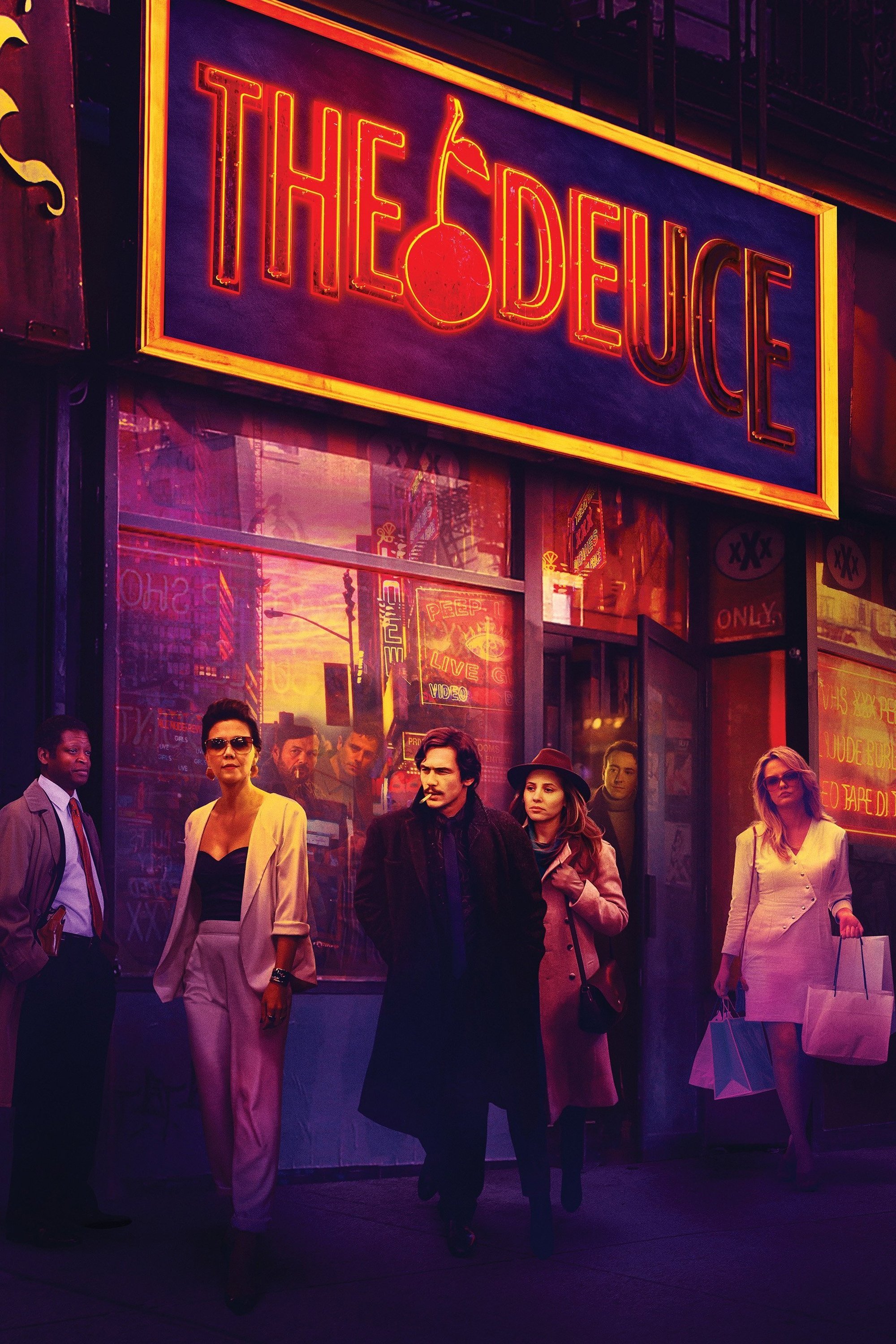
The Deuce (2017) character relationship network mapped with AI analysis. Explore the connections, alliances, and conflicts between characters.
Characters
Harvey Wasserman
(played by David Krumholtz) — minor
Tommy Longo
(played by Daniel Sauli) — minor
Melissa
(played by Olivia Luccardi) — minor
Rudy Pipilo
(played by Michael Rispoli) — minor
Loretta
(played by Sepideh Moafi) — minor
Canonical Relationships
Family, romantic, and professional connections based on plot evidence.
Harvey Wasserman → Rudy Pipilo
(Director-Financier) — Rudy provides infrastructure and capital for Harvey's filmmaking endeavors.
"Rudy's real estate and investment strategies intersect with Harvey's production needs."
Harvey Wasserman → Loretta
(Creator-Reformer) — Loretta's activism imposes ethical constraints on Harvey's industry practices.
"Loretta's reform efforts challenge the creative freedoms Harvey exercises in his work."
Story Dynamics
Alliances, conflicts, and narrative interactions that evolve throughout the story.
Tommy Longo → Rudy Pipilo
(Loyalist-Strategist) — Tomby serves as Rudy's operational extension, ensuring plan execution.
"Tommy consistently supports Rudy's strategic decisions, including negotiations and enforcement."
Rudy Pipilo → Loretta
(Antagonist-Reformer) — Their opposing goals create a narrative clash that drives community tension.
"Rudy's profit motives position him as a direct antagonist to Loretta's reform agenda."
Melissa → Loretta
(Pragmatist-Idealist) — Differing approaches to industry navigation create interpersonal friction.
"Melissa's pragmatic survival strategies sometimes clash with Loretta's idealistic reform goals."
Harvey Wasserman → Tommy Longo
(Creative-Commercial) — Artistic vision conflicts with criminal enterprise financial demands.
"Harvey's creative ambitions occasionally clash with Tommy's profit-driven mob priorities."
Rudy Pipilo → Melissa
(Industry Patron) — Rudy's capital supports the infrastructure Melissa depends on.
"Rudy's investments in entertainment venues indirectly patronize performers like Melissa."
Harvey Wasserman → Melissa
(Industry Colleague) — They maintain a collegial rapport based on shared industry challenges.
"Harvey and Melissa interact within New York's entertainment circles, sharing professional experiences."
Tommy Longo → Loretta
(Community Observer) — Tommy tracks Loretta's activism to assess risks to his territory.
"Tommy monitors Loretta's community activities as a potential threat to his operations."
Story Analysis
Overall narrative architecture across all 3 seasons
Plot Progression
Season 1: Foundation
— Mob infrastructure expands while industry begins to take shape. Early partnerships and operational directives establish the baseline power dynamics.
Season 1: Expansion
— Entertainment ventures grow alongside mob real estate deals. Regulatory awareness emerges as characters navigate early industry shifts.
Season 2: Transition
— Financial pressures mount and industry norms begin to fracture. Activism gains traction while performers seek new pathways.
Season 3: Crisis
— Regulatory crackdowns and ideological clashes force rapid adaptation. Traditional models collapse as alliances reform.
Season 3: Resolution
— Characters consolidate new positions amid industry transformation. Legacy and survival become the primary focus.