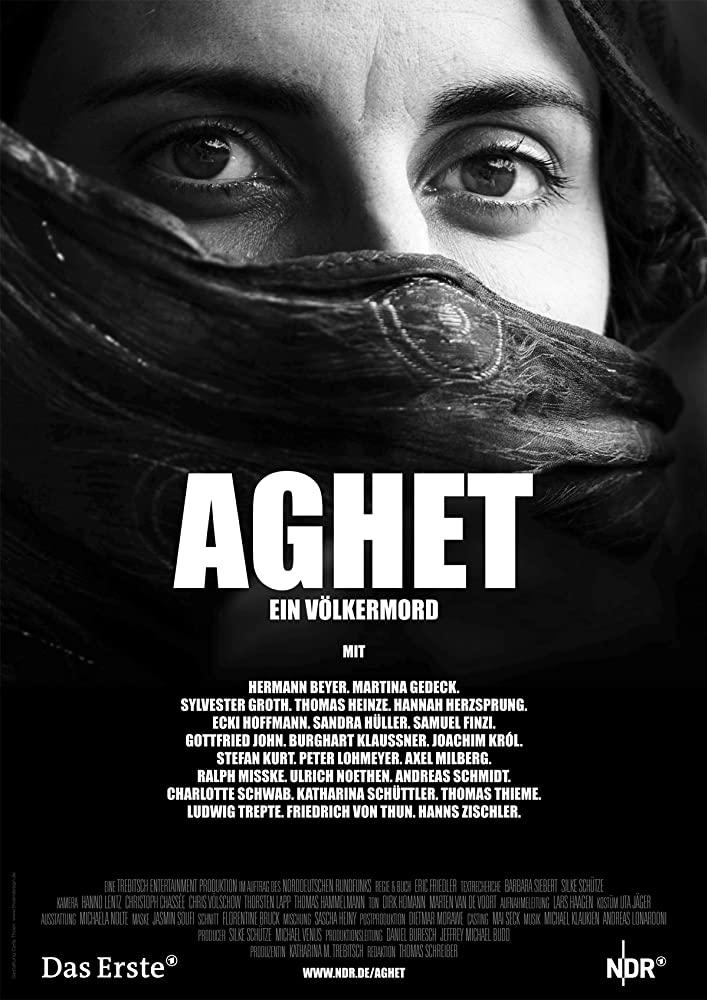
Plot Analysis Summary
A comprehensive examination of a 2010 German documentary documenting the Armenian genocide through historical evidence, awards, and political reception.
Story Structure — 4 Plot Phases
Historical Foundation & Evidence Gathering
The documentary establishes its premise by introducing the Armenian genocide context and compiling eyewitness reports from European and American personnel stationed in the Near East.
Key Events
-
Documentary Premise Introduction — Introduction of the film as a 2010 German documentary on the Armenian genocide.
Location: Germany
-
Historical Context Setup — Establishment of the Young Turk government's role during World War I.
Location: Ottoman Empire
-
Eyewitness Report Compilation — Gathering of contemporary accounts from European and American personnel.
Location: Near East
-
Survivor Testimony Integration — Incorporation of firsthand narratives from Armenian genocide survivors.
Location: Armenian Regions
-
German Actor Narration — Modern German actors recite historical testimonies for the documentary.
Location: Studio
-
Secret Photograph Reveal — Display of covertly captured images documenting the death marches.
Location: Archives
Visual Documentation & Survivor Voices
Modern German actors recite testimonies while secretly shot photographs reveal the brutal reality of death marches, Turkish atrocities, and deportee suffering.
Key Events
-
Secret Photograph Reveal — Display of covertly captured images documenting the death marches.
Location: Archives
-
Death March Documentation — Visual evidence of forced deportations and civilian suffering.
Location: Ottoman Territories
-
Turkish Atrocity Evidence — Presentation of documented violence and massacres against Armenians.
Location: Conflict Zones
-
Deportee Suffering Depiction — Focus on the humanitarian crisis and plight of displaced populations.
Location: Desert Routes
-
Deutscher Fernsehpreis Award — Film receives prestigious German television recognition in 2010.
Location: Germany
Critical Acclaim & Institutional Recognition
The film receives major German television awards and gains international festival recognition, highlighting its rigorous historical documentation and humanitarian impact.
Key Events
-
Deutscher Fernsehpreis Award — Film receives prestigious German television recognition in 2010.
Location: Germany
-
Grimme Award Recognition — Additional major German television honor awarded in 2011.
Location: Germany
-
Capitol Hill Presentation — Official documentary screening presented to US legislative members.
Location: Washington D.C.
-
US Congress Reaction — Congress members express astonishment at the thorough historical documentation.
Location: US Capitol
-
US Senate Reaction — Senate officials acknowledge the extensive evidence of the genocide.
Location: US Senate
-
Armin T. Wegner Award — Film wins humanitarian recognition for its advocacy and historical preservation.
Location: Los Angeles
Political Impact & Public Controversy
Official presentations to US Congress and Senate draw astonishment at the evidence, while academic screenings and the introduction of the term Aghet spark formal protests from Turkish advocacy groups.
Key Events
-
Armin T. Wegner Award — Film wins humanitarian recognition for its advocacy and historical preservation.
Location: Los Angeles
-
Montreal Festival Screening — International recognition received at the Montreal World Film Festival.
Location: Montreal
-
Harvard University Screening — Documentary scheduled for large audience presentation at Harvard.
Location: Cambridge, MA
-
Columbia University Screening — Further academic dissemination at Columbia University.
Location: New York, NY
-
Term Aghet Introduction — Film successfully introduces the Armenian term for the massacres globally.
Location: International Media
-
Turkish Community Protest — Advocacy group of the Turkish community in Germany formally protests the film.
Location: Germany
2010 documentary film on the Armenian Genocide by the Young Turk government of the Ottoman Empire during World War I. It is based on eyewitness reports by European and American personnel stationed in the Near East at the time, Armenian survivors and other contemporary witnesses which are recited by modern German actors.