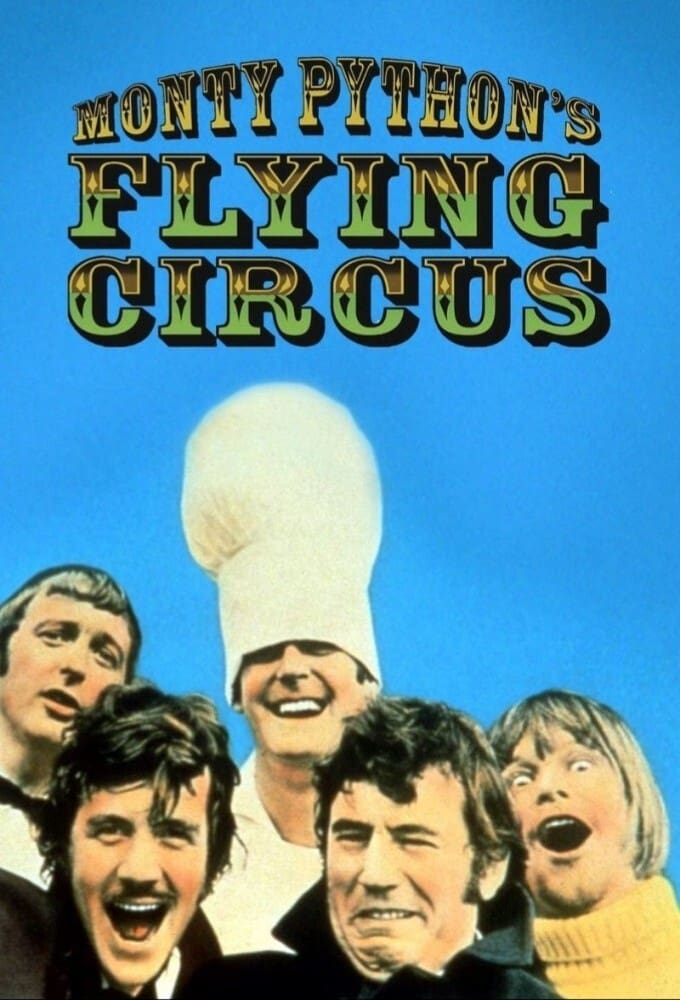
Monty Python's Flying Circus (1969) interactive character relationship network and AI-powered story timeline. Explore the connections, alliances, and conflicts between characters across the narrative arc.
Overall narrative architecture across all 4 seasons
Rating: 8.3/10 (745 votes)
The series establishes its core format through rapid-fire absurdist sketches and recurring character archetypes. Early episodes introduce running gags, historical parodies, and meta-theatrical breaks that define the show's unconventional structure. The cast navigates initial format experimentation while laying the groundwork for future narrative and comedic evolution.
The show expands its comedic scope by integrating political satire, musical numbers, and continuous narrative experiments. Running gags are refined and repurposed, demonstrating increased structural maturity. The cast adapts to shifting production constraints while pushing broadcasting boundaries through deliberate censorship parodies.
A pivotal shift occurs as the series pioneers full-length story arcs, blending episodic sketches with serialized storytelling. Historical anachronisms and bureaucratic satire reach new levels of complexity. Meta-production commentary emerges, reflecting the cast's growing awareness of their own cultural impact and format limitations.
The series concludes by fully embracing self-referential humor and production satire. Sketches explicitly deconstruct the show's legacy, blending live-action and animation to parody its own format. The ensemble navigates final narrative resolutions while acknowledging the cultural and technical shifts that defined the entire run.
Plot analysis generated from content on Wikipedia, licensed under CC BY-SA 4.0.
Related entry on Wikidata (Q16401), public domain (CC0).