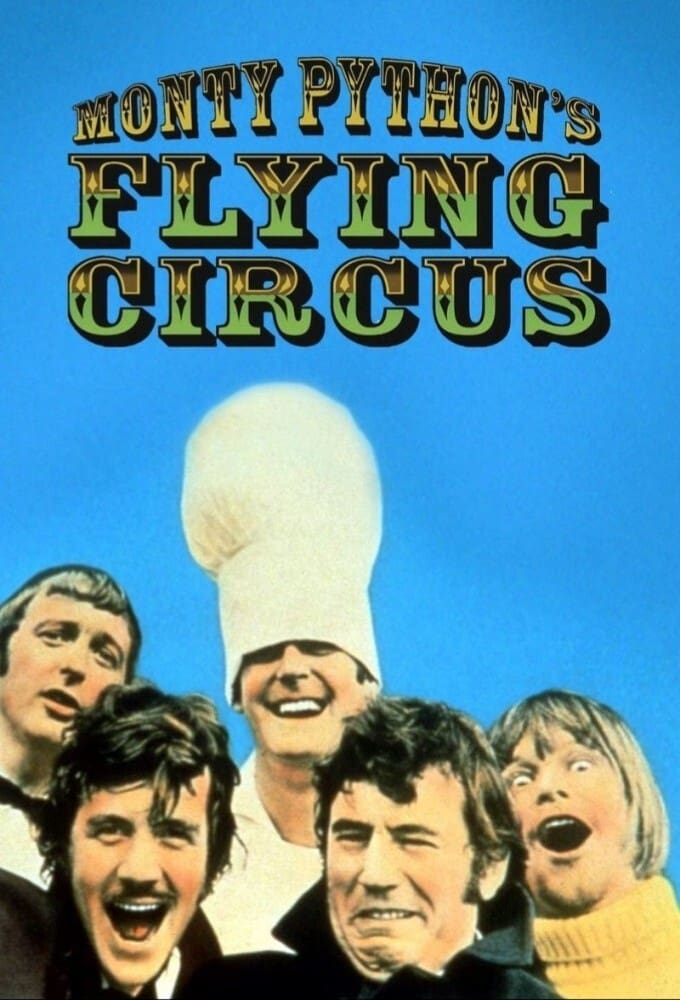
Story Structure — 4 Plot Phases
Season 1: Sketch Foundations
The series establishes its core format through rapid-fire absurdist sketches and recurring character archetypes. Early episodes introduce running gags, historical parodies, and meta-theatrical breaks that define the show's unconventional structure. The cast navigates initial format experimentation while laying the groundwork for future narrative and comedic evolution.
Key Events
-
Series Premiere Debut — The show launches with a mix of historical parody and surreal gags. Characters: Various (Actor: Graham Chapman), Various (Actor: Terry Jones)
Location: BBC Studio
-
Surreal Character Introductions — Absurdist character archetypes are established through rapid-fire sketches. Characters: Various (Actor: Eric Idle), Various (Actor: Terry Gilliam)
Location: Various Sketch Sets
-
Running Gag Establishment — A repetitive structural gag is introduced, becoming a series staple. Characters: Various (Actor: Terry Jones), Various (Actor: Graham Chapman)
Location: Forest Setting
-
Color Broadcasting Debut — The series officially transitions to color broadcasting, altering visual presentation. Characters: Various (Actor: Terry Gilliam), Various (Actor: Eric Idle)
Location: BBC Studio
-
Surreal Animation Integration — Gilliam's stop-motion work begins to visually anchor the show's absurdism. Characters: Various (Actor: Terry Gilliam), Various (Actor: Graham Chapman)
Location: Animation Studio
-
Character Archetype Shift — Performers transition from straight men to exaggerated caricatures. Characters: Various (Actor: Terry Jones), Various (Actor: Eric Idle)
Location: Various Sets
-
Meta-Narrative Consolidation — Self-referential elements become structurally integrated into episode flow. Characters: Various (Actor: Terry Jones), Various (Actor: Graham Chapman)
Location: Studio Backlot
-
Surreal Animation Expansion — Visual absurdism becomes a standalone comedic pillar alongside live action. Characters: Various (Actor: Terry Gilliam), Various (Actor: Graham Chapman)
Location: Animation Suite
Season 2: Format Expansion
The show expands its comedic scope by integrating political satire, musical numbers, and continuous narrative experiments. Running gags are refined and repurposed, demonstrating increased structural maturity. The cast adapts to shifting production constraints while pushing broadcasting boundaries through deliberate censorship parodies.
Key Events
-
Meta-Theatrical Break — Characters directly address the audience, deconstructing the sketch format. Characters: Various (Actor: Graham Chapman), Various (Actor: Terry Jones)
Location: Studio Backlot
-
Bureaucratic Satire Peak — Administrative absurdity reaches its comedic zenith through procedural parody. Characters: Various (Actor: Eric Idle), Various (Actor: Terry Gilliam)
Location: Government Office
-
Musical Sketch Integration — Musical numbers are woven into sketch narratives, expanding the show's format. Characters: Various (Actor: Graham Chapman), Various (Actor: Terry Jones)
Location: Theater Stage
-
Audience Interaction Break — Direct audience engagement becomes a recurring comedic device. Characters: Various (Actor: Graham Chapman), Various (Actor: Terry Jones)
Location: Live Studio
-
Format Experimentation Peak — The show tests unconventional structures, pushing past traditional sketch limits. Characters: Various (Actor: Eric Idle), Various (Actor: Terry Gilliam)
Location: Experimental Set
-
Ensemble Cohesion Test — The cast navigates shifting roles while maintaining comedic synchronization. Characters: Various (Actor: Terry Gilliam), Various (Actor: Eric Idle)
Location: Group Rehearsal
-
Running Gag Maturation — Early repetitive gags evolve into complex, layered comedic structures. Characters: Various (Actor: Graham Chapman), Various (Actor: Terry Jones)
Location: Recurring Set
-
Character Archetype Refinement — Performers adopt increasingly exaggerated personas to highlight comedic contrast. Characters: Various (Actor: Terry Jones), Various (Actor: Eric Idle)
Location: Various Sets
-
Audience Interaction Evolution — Direct engagement shifts from novelty to a core structural element. Characters: Various (Actor: Graham Chapman), Various (Actor: Terry Jones)
Location: Live Studio
Season 3: Narrative Innovation
A pivotal shift occurs as the series pioneers full-length story arcs, blending episodic sketches with serialized storytelling. Historical anachronisms and bureaucratic satire reach new levels of complexity. Meta-production commentary emerges, reflecting the cast's growing awareness of their own cultural impact and format limitations.
Key Events
-
Historical Impersonation Arc — Historical figures are reimagined through anachronistic comedic lenses. Characters: Various (Actor: Terry Gilliam), Various (Actor: Eric Idle)
Location: Period Setting
-
Censorship & Content Boundaries — The show navigates broadcasting standards while pushing comedic boundaries. Characters: Various (Actor: Graham Chapman), Various (Actor: Terry Jones)
Location: BBC Control Room
-
Running Gag Evolution — Early gags are refined and repurposed, showing narrative maturation. Characters: Various (Actor: Eric Idle), Various (Actor: Terry Gilliam)
Location: Studio Set
-
Political Satire Expansion — Political themes become more prominent, targeting contemporary governance. Characters: Various (Actor: Graham Chapman), Various (Actor: Terry Jones)
Location: Parliament Setting
-
Format Experimentation Peak — The show tests unconventional structures, pushing past traditional sketch limits. Characters: Various (Actor: Eric Idle), Various (Actor: Terry Gilliam)
Location: Experimental Set
-
Bureaucratic Parody Refinement — Administrative satire becomes more nuanced, targeting systemic absurdity. Characters: Various (Actor: Graham Chapman), Various (Actor: Terry Jones)
Location: Office Setting
-
Political Satire Deepening — Political sketches target specific policies with sharper, more targeted humor. Characters: Various (Actor: Eric Idle), Various (Actor: Terry Gilliam)
Location: Government Chamber
-
Full-Length Story Expansion — Serialized segments gain complexity, blending sketch and narrative formats. Characters: Various (Actor: Graham Chapman), Various (Actor: Terry Jones)
Location: Continuous Narrative Path
-
Format Experimentation Consolidation — Unconventional structures are standardized, defining the show's unique identity. Characters: Various (Actor: Eric Idle), Various (Actor: Terry Gilliam)
Location: Experimental Studio
Season 4: Meta-Deconstruction
The series concludes by fully embracing self-referential humor and production satire. Sketches explicitly deconstruct the show's legacy, blending live-action and animation to parody its own format. The ensemble navigates final narrative resolutions while acknowledging the cultural and technical shifts that defined the entire run.
Key Events
-
Political Satire Expansion — Political themes become more prominent, targeting contemporary governance. Characters: Various (Actor: Graham Chapman), Various (Actor: Terry Jones)
Location: Parliament Setting
-
Full-Length Story Debut — The series shifts from episodic sketches to continuous storytelling. Characters: Various (Actor: Terry Gilliam), Various (Actor: Eric Idle)
Location: Continuous Narrative Space
-
Meta-Production Commentary — Behind-the-scenes production struggles are parodied within the show itself. Characters: Various (Actor: Graham Chapman), Various (Actor: Terry Jones)
Location: BBC Archives
-
Self-Referential Finale — The series concludes by deconstructing its own legacy and format. Characters: Various (Actor: Eric Idle), Various (Actor: Terry Gilliam)
Location: Studio Stage
-
Musical Comedy Evolution — Musical sketches transition from standalone numbers to narrative drivers. Characters: Various (Actor: Terry Gilliam), Various (Actor: Eric Idle)
Location: Concert Hall
-
Historical Anachronism Peak — Historical settings are deliberately corrupted with contemporary references. Characters: Various (Actor: Graham Chapman), Various (Actor: Terry Jones)
Location: Period Location
-
Censorship Boundary Push — The show explicitly mocks broadcasting restrictions while complying with them. Characters: Various (Actor: Eric Idle), Various (Actor: Terry Gilliam)
Location: Broadcast Control
-
Meta-Production Satire Peak — Behind-the-scenes struggles are fully parodied, blurring fiction and reality. Characters: Various (Actor: Terry Gilliam), Various (Actor: Eric Idle)
Location: BBC Archives
-
Self-Referential Finale Build — The series concludes by acknowledging its own cultural impact and format. Characters: Various (Actor: Graham Chapman), Various (Actor: Terry Jones)
Location: Studio Stage
-
Bureaucratic Parody Legacy — Administrative satire becomes a defining thematic pillar of the series. Characters: Various (Actor: Graham Chapman), Various (Actor: Terry Jones)
Location: Office Setting
-
Musical Comedy Integration — Music transitions from interlude to essential narrative and comedic driver. Characters: Various (Actor: Terry Gilliam), Various (Actor: Eric Idle)
Location: Performance Stage