Plot Analysis Summary
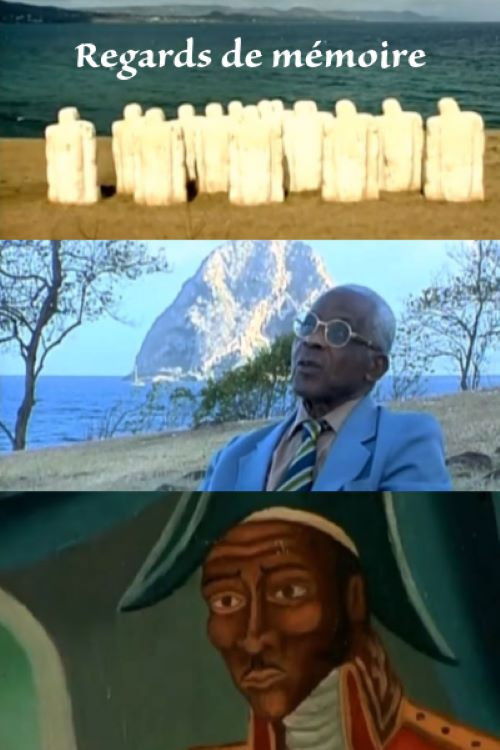
A documentary exploring Caribbean historical memory through interviews, site visits, and textual performances.
Story Structure — 4 Plot Phases
Jura Prison Reflections
Sarah Maldoror films Édouard Glissant at Fort de Joux, focusing on the cell where Toussaint Louverture was imprisoned. The segment establishes the documentary's historical and contemplative tone.
Key Events
-
Fort de Joux Filming — Director films writer at historic site
Location: Fort de Joux
-
Louverture Cell Reflection — Writer contemplates prisoner legacy
Location: Fort de Joux Cell
-
Travel to Martinique — Documentary shifts location
Location: Jura to Martinique
-
Director Narrative Frame — Establishing documentary perspective
Location: Fort de Joux
-
Prison Architecture Focus — Visual emphasis on confinement
Location: Fort de Joux
-
Louverture Prison Cell — Historical site of imprisonment
Location: Fort de Joux
Martinique Poetic Dialogue
The narrative shifts to Martinique where Maldoror interviews Aimé Césaire near the Cap 110 memorial. This section explores Caribbean identity and literary legacy through direct conversation.
Key Events
-
Travel to Martinique — Documentary shifts location
Location: Jura to Martinique
-
Césaire Interview Setup — Director begins interview with poet
Location: Le Diamant
-
Cap 110 Memorial Visit — Poet stands before monument
Location: Cap 110 Memorial
-
Caribbean Identity Theme — Discussion on cultural roots
Location: Le Diamant
-
Memorial Dedication Context — Background on tribute monument
Location: Cap 110
-
Martinique Landscape — Scenic backdrop for interview
Location: Le Diamant
Contributor Perspectives
Short interviews with Roland Suvélor and Madeleine de Grandmaison provide additional historical context. Greg Germain performs textual readings that deepen the documentary's thematic layers.
Key Events
-
Suvélor Interview Segment — Short interview with contributor
Location: Interview Studio
-
Grandmaison Interview Segment — Short interview with contributor
Location: Interview Studio
-
Germain Text Reading — Performer reads documentary texts
Location: Studio
-
Interviewee Perspectives — Multiple voices share insights
Location: Studio
Textual Synthesis and Close
The documentary weaves together historical references, literary reflections, and performance elements. It concludes with a synthesis of memory and a formal resolution.
Key Events
-
Germain Text Reading — Performer reads documentary texts
Location: Studio
-
Historical Context Weaving — Themes of memory converge
Location: Montage
-
Louverture Death Reference — Mention of 1803 historical end
Location: Fort de Joux
-
Textual Performance Layer — Vocal interpretation of writings
Location: Studio
-
Historical Legacy Synthesis — Convergence of literary memory
Location: Montage
-
Documentary Compilation — Final assembly of segments
Location: Editing Room
-
Thematic Resolution — Closing reflections on memory
Location: Montage
-
Credits Roll — Film concludes with acknowledgments
Location: Screen