Story Structure — 3 Plot Phases
Season 1: Political Ambition Meets Bureaucratic Walls
Jim Hacker enters the cabinet with reformist zeal, only to encounter Sir Humphrey Appleby's systematic bureaucratic resistance. Early episodes establish the core dynamic of ministerial ambition versus civil service inertia. Key events include the failed economy drive, database safeguard negotiations, and the threat of department abolition. The season concludes with Jim learning that selective information control is the permanent secretary's primary defense.
Key Events
-
Cabinet Appointment — Jim secures a cabinet post and meets the permanent secretary, initiating their professional dynamic. Characters: Jim Hacker, Sir Humphrey Appleby
Location: Government Office
-
Reformist Intent — Jim decides to change civil service operations, prompting Humphrey to prepare countermeasures. Characters: Jim Hacker
Location: Department
-
African Oil Deal — Negotiations for oil exploration equipment highlight diplomatic pressures and bureaucratic handling. Characters: Jim Hacker, Sir Humphrey Appleby
Location: Diplomatic Venue
-
Economy Drive Failure — Jim's attempt to reduce civil service size is thwarted, altering only tea lady headcounts. Characters: Jim Hacker, Sir Humphrey Appleby
Location: Department
-
Database Safeguards — Jim pushes for database safeguards while Humphrey stalls until opposition support helps him succeed. Characters: Jim Hacker, Sir Humphrey Appleby
Location: Parliament
-
Department Abolition Threat — Threat to abolish the department forces temporary cooperation between minister and permanent secretary. Characters: Jim Hacker, Sir Humphrey Appleby
Location: Cabinet Room
-
Badger Colony Revelation — Environmental threat exposes Humphrey's selective information sharing, especially with Lucy Hacker involved. Characters: Jim Hacker, Sir Humphrey Appleby
Location: Department
-
Bureaucratic Inertia — Early establishment of procedural stalling as a primary defense against ministerial reform. Characters: Sir Humphrey Appleby
Location: Department
-
Information Filtering — Systematic control of data flow to preempt political intervention and maintain departmental control. Characters: Sir Humphrey Appleby
Location: Department
Season 2: Blackmail, Betrayal, and Mutual Defense
The power dynamic shifts as Jim attempts to leverage honours and budget cuts, prompting Humphrey to adapt his counter-strategies. External threats, including cabinet betrayals and parliamentary select committees, force both characters into pragmatic alliances. Episodes highlight the moral compromises and procedural evasions required to navigate Westminster politics. The season ends with a reinforced understanding that institutional survival often trumps ideological purity.
Key Events
-
Solihull Project Crisis — Jim unknowingly supports a bankrupt project; Humphrey attempts to salvage it through bureaucratic maneuvering. Characters: Jim Hacker, Sir Humphrey Appleby
Location: Radio Studio
-
Hospital Staffing Proposal — Jim proposes sacking civil servants to fund medical staff, reigniting reform vs tradition conflict. Characters: Jim Hacker, Sir Humphrey Appleby
Location: Hospital
-
Honours Blackmail — Jim leverages honours blocking to force budget cuts, but backs down when facing an honorary degree. Characters: Jim Hacker, Sir Humphrey Appleby
Location: Department
-
Bugging Legislation — Jim seeks to curb secret service bugging, only to discover he is on a terrorist death list. Characters: Jim Hacker, Sir Humphrey Appleby
Location: Parliament
-
Dangerous Chemical Deal — Jim attempts to save a chemical company but retreats when public safety concerns emerge. Characters: Jim Hacker, Sir Humphrey Appleby
Location: Factory
-
Cabinet Betrayal — Jim is betrayed over job creation plans and considers becoming a European Commissioner. Characters: Jim Hacker, Sir Humphrey Appleby
Location: Westminster
-
Arts Council Grant Reveal — Hacker's invitation becomes contentious when grant sizes are exposed, highlighting public spending scrutiny. Characters: Jim Hacker, Sir Humphrey Appleby
Location: Theatre Awards
-
Committee Evasion — Joint strategy of deflection and blame-shifting during parliamentary investigations. Characters: Jim Hacker, Sir Humphrey Appleby
Location: Parliament
-
Moral Gray Zones — Acceptance of backroom arrangements and ethical compromises as standard operational practice. Characters: Jim Hacker, Sir Humphrey Appleby
Location: Department
Season 3: Moral Quagmires and Shared Scandals
Jim's reformist ideals face their ultimate test as he confronts bribery, munitions sales, and Number 10 directives. Humphrey's nervousness over historical contracts and tolerance of ethical gray zones reveal the depth of institutional compromise. Both characters increasingly adopt each other's tactics, blurring the line between political accountability and administrative preservation. The season culminates in shared scandals that cement their entangled partnership.
Key Events
-
Select Committee Defense — Both pass the buck to protect each other during waste investigations until higher loyalties intervene. Characters: Jim Hacker, Sir Humphrey Appleby
Location: Committee Room
-
Gender Equality Push — Humphrey clashes with Jim's gender equality plans, defending traditional civil service structures. Characters: Jim Hacker, Sir Humphrey Appleby
Location: Department
-
Fallout Shelter Debate — Hacker's expenditure responsibility crusade is disrupted by fallout shelter controversies. Characters: Jim Hacker, Sir Humphrey Appleby
Location: Local Authority
-
1950s Defence Contract — Declassified contract details cause Humphrey unaccountable nervousness, revealing historical institutional secrets. Characters: Jim Hacker, Sir Humphrey Appleby
Location: Archives
-
Foreign Contract Bribery — Jim backs down from exposing bribery when a foreign vase is undervalued for Mrs Hacker, highlighting moral compromise. Characters: Jim Hacker, Sir Humphrey Appleby
Location: Department
-
Transportation Bill Push — Jim accepts an unpopular bill from Number 10 despite widespread opposition, prioritizing political survival. Characters: Jim Hacker, Sir Humphrey Appleby
Location: Parliament
-
Munitions Inquiry — Jim faces multi-sided opposition when investigating British munitions sold to terrorist groups. Characters: Jim Hacker, Sir Humphrey Appleby
Location: Department
-
Art Gallery Sale — Jim acts as MP to sell a gallery for a soccer club, colliding with Humphrey over local priorities. Characters: Jim Hacker, Sir Humphrey Appleby
Location: District
-
Institutional Preservation — Humphrey's consistent strategy of maintaining civil service autonomy remains the series' underlying constant. Characters: Sir Humphrey Appleby
Location: Department
-
Political Adaptation — Jim's reformist zeal gradually yields to pragmatic political navigation and compromise. Characters: Jim Hacker
Location: Westminster
-
External Pressure — Cabinet betrayals and Number 10 directives force temporary alignment between minister and secretary. Characters: Jim Hacker, Sir Humphrey Appleby
Location: Cabinet
-
Public Scrutiny — Growing media and public attention on departmental spending and ethical conduct. Characters: Jim Hacker, Sir Humphrey Appleby
Location: Media
-
Reform Fatigue — Jim's initial idealism gives way to political realism and acceptance of institutional constraints. Characters: Jim Hacker
Location: Westminster
-
Procedural Mastery — Humphrey's deepening reliance on procedural complexity to neutralize political threats. Characters: Sir Humphrey Appleby
Location: Department
-
Shared Scandal — Mutual exposure to controversial deals forces both to prioritize institutional survival over public accountability. Characters: Jim Hacker, Sir Humphrey Appleby
Location: Department
-
Status Quo Preservation — Final reinforcement of bureaucratic continuity as the dominant force in departmental operations. Characters: Sir Humphrey Appleby
Location: Department
-
Series Conclusion — The enduring dynamic between political ambition and administrative inertia remains unresolved. Characters: Jim Hacker, Sir Humphrey Appleby
Location: Westminster
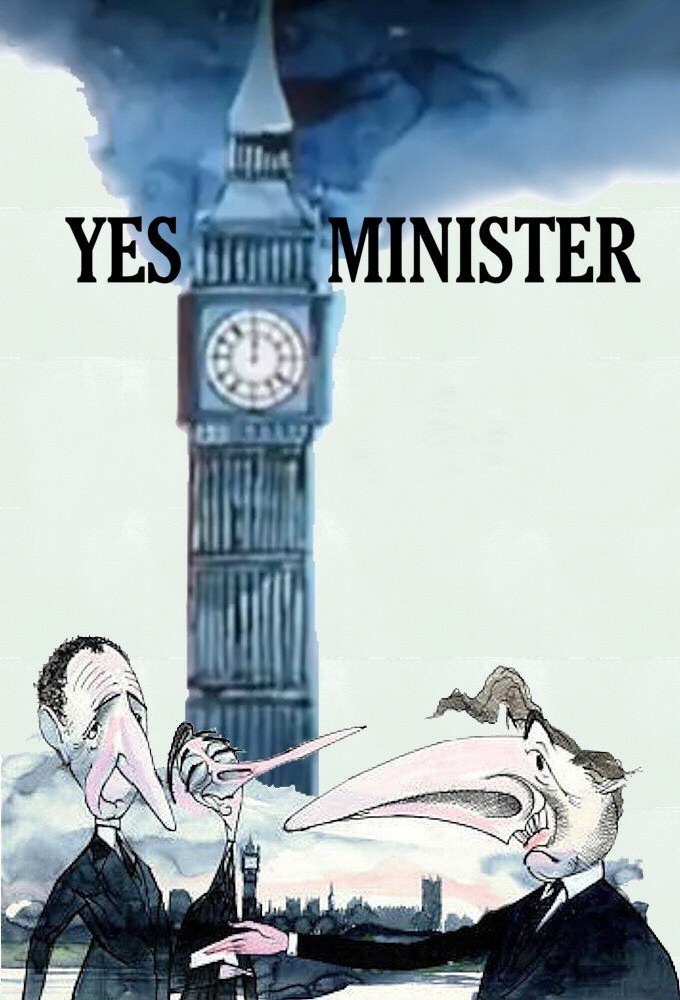
Satirical sitcom set in the office of a UK Cabinet minister, Jim Hacker MP, who struggles with Civil Service bureaucracy and political machinations as he tries to get on with government business.