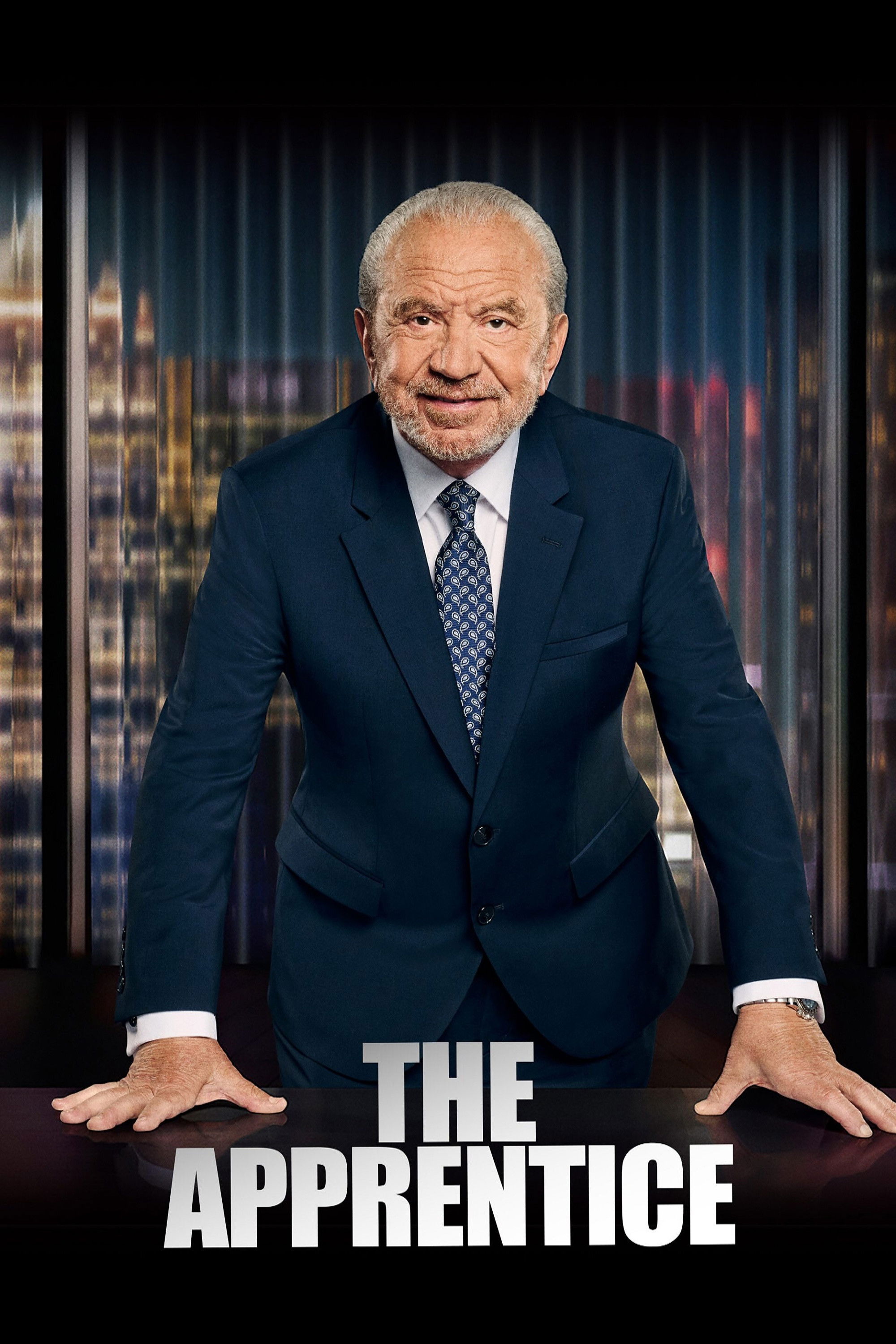
The Apprentice (2005) interactive character relationship network and AI-powered story timeline. Explore the connections, alliances, and conflicts between characters across the narrative arc.
Across twenty seasons, candidates progress from team-based commercial tasks to individual interviews and final business launches. The central narrative evolves from competing for employment to competing for an investment partnership.
Directed by Ed St. Giles
Rating: 5.9/10 (30 votes)
The original format tests candidates through practical selling, retail, advertising and charity tasks. The season concludes with a themed boat event and the first apprenticeship decision.
Candidates face produce resale, fundraising, negotiation, food, cars, fashion and property tasks. Interviews reduce the competition to a final hiring choice.
The candidates move from coffee and pet products to sweets, art, food exports, trainers and television selling. The final task asks them to propose uses for a major development site.
Fish selling, laundry, restaurants, photography, greetings cards and international buying expose disagreements within the teams. A fragrance challenge provides the final commercial test.
Candidates create service businesses, food brands, fitness products, cosmetics, cereals and tourism campaigns. The finalists compete by marketing a new box of chocolates.
The season ranges from sausages and bakery goods to fashion, advertising, immersive film experiences and tours. Interviews and a premium beverage launch decide the partnership.
The prize changes from a salary to a substantial business investment. App development, pet food, junk collection, publishing, exporting and fast food test whether candidates can act as partners.
The teams add value to blank goods, invent gadgets, develop condiments, run junk shops and create fitness classes. Affordable luxury and business-plan interviews narrow the field.
Furniture, farm shops, overseas procurement, corporate events, caravans, dating concepts and ready meals challenge commercial judgment. The final launch determines the investment partner.
The anniversary season revisits selling and discount buying while adding wearable technology, home fragrance, online video, tours, games and premium puddings. Former candidates assist in the final business launches.
The candidates explore pet products, shampoo, children's publishing, DIY, discount retail, parties, property and healthy snacks. Interviews again convert team performance into individual business scrutiny.
Collectables, sweets, luxury retail, crowdfunding, procurement, boating and landmark events broaden the commercial tests. The final candidates launch companies for a quarter-million-pound investment.
The tasks cover burgers, hotel design, robots, stadium sales, tours, car advertising, dog services, food boxes and fashion. The final launch exposes the strengths and weaknesses of both business ideas.
Candidates begin in Malta and continue through comics, doughnuts, bodybuilding, shoes, airline advertising, gardening, art and television selling. The final challenge focuses on creating a complete company brand.
Wine tours, toys, electric bikes, theme parks, tourism advertising, rail travel, music management and perfume test increasingly specialized markets. The finalists must launch their businesses with returning candidates' help.
The format combines cruise marketing, children's technology, drinks, gaming, driverless vehicles, television selling and baby food. Final interviews focus on whether the plans are commercially credible.
Tourism, food, cartoons, electric transport, hospitality, children's products, immersive events, beauty and dog food create repeated clashes over vision and execution. The finale adds a digital billboard, television advert and metaverse concept.
Corporate events, cheesecakes, virtual escape rooms, Formula E, cereal, tourism, electric vehicles, television selling and vegan cheese test product-market fit. The final two launch new businesses after intense plan scrutiny.
The candidates tackle alpine tours, virtual pop stars, procurement, crops, chocolate, hospitality, banking, hot sauce and sustainable fashion. Naive figures and weak concepts become central risks during the final interviews.
The twentieth season revisits international buying, children's publishing, food production, advertising, flowers, hospitality, fitness, television selling and pet products. The final business launch completes the long-running progression from task performance to partnership selection.
Plot analysis generated from content on Wikipedia, licensed under CC BY-SA 4.0.
Related entry on Wikidata (Q7714064), public domain (CC0).