Story Structure — 20 Plot Phases
Season 1: Apprenticeship Begins
The original format tests candidates through practical selling, retail, advertising and charity tasks. The season concludes with a themed boat event and the first apprenticeship decision.
Key Events
-
First Market Challenge — The opening task requires the teams to buy and sell flowers. A forgotten bag of roses creates an early logistical crisis.
Location: London market
-
Season One Final — The final two candidates create rival themed boat events. The season ends with one candidate selected for the apprenticeship.
Location: A boat
Season 2: Commercial Foundations
Candidates face produce resale, fundraising, negotiation, food, cars, fashion and property tasks. Interviews reduce the competition to a final hiring choice.
Key Events
-
Season One Final — The final two candidates create rival themed boat events. The season ends with one candidate selected for the apprenticeship.
Location: A boat
-
Produce Resale Test — The new candidates purchase produce within a fixed budget and attempt to resell it for profit around Hackney.
Location: Hackney
-
Season Two Final — After a sequence of commercial tasks and interviews, the final decision determines which remaining candidate is hired.
Location: Boardroom
Season 3: Entrepreneurial Freedom
The candidates move from coffee and pet products to sweets, art, food exports, trainers and television selling. The final task asks them to propose uses for a major development site.
Key Events
-
Season Two Final — After a sequence of commercial tasks and interviews, the final decision determines which remaining candidate is hired.
Location: Boardroom
-
Open Enterprise Challenge — The candidates receive freedom to choose their own commercial activity. The task directly tests initiative and entrepreneurial judgment.
Location: London
-
Property Site Proposal — The finalists develop and present proposals for the future use of a major property site. Former colleagues return to support the final task.
Location: A £120 million site
Season 4: Factions and Pressure
Fish selling, laundry, restaurants, photography, greetings cards and international buying expose disagreements within the teams. A fragrance challenge provides the final commercial test.
Key Events
-
Property Site Proposal — The finalists develop and present proposals for the future use of a major property site. Former colleagues return to support the final task.
Location: A £120 million site
-
Street Fish Sale — The opening teams sell fish in London while internal factions emerge within one team. The task establishes competition and early divisions.
Location: London streets
-
Laundry Business Trial — The teams create an overnight laundry service, secure customer orders, process large quantities of washing and return the clothes without losing any socks.
Location: London
Season 5: Brand Building
Candidates create service businesses, food brands, fitness products, cosmetics, cereals and tourism campaigns. The finalists compete by marketing a new box of chocolates.
Key Events
-
Laundry Business Trial — The teams create an overnight laundry service, secure customer orders, process large quantities of washing and return the clothes without losing any socks.
Location: London
-
Fragrance Final — The remaining candidates are divided into teams to develop and present a new fragrance. Only the winning team can proceed toward working with the host.
Location: London
-
Cleaning Company Launch — The new candidates establish cleaning companies and compete to generate revenue. The first firing begins the season's elimination structure.
Location: London
Season 6: Product Innovation
The season ranges from sausages and bakery goods to fashion, advertising, immersive film experiences and tours. Interviews and a premium beverage launch decide the partnership.
Key Events
-
Cleaning Company Launch — The new candidates establish cleaning companies and compete to generate revenue. The first firing begins the season's elimination structure.
Location: London
-
Breakfast Cereal Campaign — The teams create a breakfast cereal brand, design its packaging and film a campaign intended to appeal to both parents and children.
Location: London
-
Chocolate Business Final — The two finalists market a new box of chocolates with help from former candidates. Their concepts are pitched to business and chocolate experts.
Location: Expert panel
Season 7: Investment Partnership
The prize changes from a salary to a substantial business investment. App development, pet food, junk collection, publishing, exporting and fast food test whether candidates can act as partners.
Key Events
-
Chocolate Business Final — The two finalists market a new box of chocolates with help from former candidates. Their concepts are pitched to business and chocolate experts.
Location: Expert panel
-
Sausage Production Test — The teams receive a rapid lesson in sausage production, manufacture stock and sell it early the next morning.
Location: London market
-
German Crisp Expansion — The teams represent British crisp companies and attempt to help them enter the German market.
Location: Germany
Season 8: Market Positioning
The teams add value to blank goods, invent gadgets, develop condiments, run junk shops and create fitness classes. Affordable luxury and business-plan interviews narrow the field.
Key Events
-
German Crisp Expansion — The teams represent British crisp companies and attempt to help them enter the German market.
Location: Germany
-
Alcoholic Beverage Launch — The finalists launch a premium alcoholic drink before an audience of industry experts. The launch precedes the final hiring decision.
Location: Industry presentation
-
Portable Gym Product — The teams create portable gym equipment, produce promotional material and demonstrate the product.
Location: London
Season 9: Business Partner Search
Furniture, farm shops, overseas procurement, corporate events, caravans, dating concepts and ready meals challenge commercial judgment. The final launch determines the investment partner.
Key Events
-
Portable Gym Product — The teams create portable gym equipment, produce promotional material and demonstrate the product.
Location: London
-
Margate Tourism Campaign — The candidates design promotional materials intended to attract tourists to Margate.
Location: Margate
-
Investment Plan Interviews — The final candidates face intensive interviews in which their plans, credentials and commercial assumptions are scrutinized.
Location: Institute of Directors
Season 10: Anniversary Format
The anniversary season revisits selling and discount buying while adding wearable technology, home fragrance, online video, tours, games and premium puddings. Former candidates assist in the final business launches.
Key Events
-
Investment Plan Interviews — The final candidates face intensive interviews in which their plans, credentials and commercial assumptions are scrutinized.
Location: Institute of Directors
-
Mobile App Launch — The teams design, launch and promote mobile applications, seeking downloads, technology coverage and support from software experts.
Location: London technology fair
Season 11: Expanding Markets
The candidates explore pet products, shampoo, children's publishing, DIY, discount retail, parties, property and healthy snacks. Interviews again convert team performance into individual business scrutiny.
Key Events
-
Mobile App Launch — The teams design, launch and promote mobile applications, seeking downloads, technology coverage and support from software experts.
Location: London technology fair
-
Fast Food Prototype — The teams invent cuisines, open prototype fast-food outlets and pitch their concepts to industry experts.
Location: West End shopping mall
-
Final Business Partnership — The finalists undergo interviews and have their business ideas tested before the host selects a business partner for a major investment.
Location: London
Season 12: Investment Mechanics
Collectables, sweets, luxury retail, crowdfunding, procurement, boating and landmark events broaden the commercial tests. The final candidates launch companies for a quarter-million-pound investment.
Key Events
-
Final Business Partnership — The finalists undergo interviews and have their business ideas tested before the host selects a business partner for a major investment.
Location: London
-
Blank Goods Resale — The teams add printed designs to blank goods and sell them from street stalls, testing creativity, marketing and salesmanship.
Location: London streets
Season 13: Modern Applications
The tasks cover burgers, hotel design, robots, stadium sales, tours, car advertising, dog services, food boxes and fashion. The final launch exposes the strengths and weaknesses of both business ideas.
Key Events
-
Blank Goods Resale — The teams add printed designs to blank goods and sell them from street stalls, testing creativity, marketing and salesmanship.
Location: London streets
-
Affordable Luxury Range — The candidates develop an affordable luxury range for a high-end retail setting during difficult economic conditions.
Location: Burlington Arcade
-
Final Concept Interviews — The final four pitch their business concepts and face detailed questioning from trusted advisers.
Location: Institute of Directors
Season 14: International Commerce
Candidates begin in Malta and continue through comics, doughnuts, bodybuilding, shoes, airline advertising, gardening, art and television selling. The final challenge focuses on creating a complete company brand.
Key Events
-
Final Concept Interviews — The final four pitch their business concepts and face detailed questioning from trusted advisers.
Location: Institute of Directors
-
Farm Shop Competition — The teams source farm products and open competing farm shops. Their choices and sales strategies determine which concept produces the stronger return.
Location: South East England
Season 15: Experience Economy
Wine tours, toys, electric bikes, theme parks, tourism advertising, rail travel, music management and perfume test increasingly specialized markets. The finalists must launch their businesses with returning candidates' help.
Key Events
-
Farm Shop Competition — The teams source farm products and open competing farm shops. Their choices and sales strategies determine which concept produces the stronger return.
Location: South East England
-
International Away Day — The teams organise corporate away-day experiences for international clients. Profit and service quality determine the outcome.
Location: Türkiye
Season 16: Technology and Retail
The format combines cruise marketing, children's technology, drinks, gaming, driverless vehicles, television selling and baby food. Final interviews focus on whether the plans are commercially credible.
Key Events
-
Virtual Reality Fitness — The candidates build and brand virtual-reality fitness demonstrations while seeking investment.
Location: London
Season 17: Digital Entrepreneurship
Tourism, food, cartoons, electric transport, hospitality, children's products, immersive events, beauty and dog food create repeated clashes over vision and execution. The finale adds a digital billboard, television advert and metaverse concept.
Key Events
-
Final Business Launch — The finalists launch their companies, create branding and advertising, and pitch their businesses to the host and industry experts.
Location: Industry experts' event
Season 18: Concept Validation
Corporate events, cheesecakes, virtual escape rooms, Formula E, cereal, tourism, electric vehicles, television selling and vegan cheese test product-market fit. The final two launch new businesses after intense plan scrutiny.
Key Events
-
Latest International Task — The candidates negotiate for nine items at reduced prices in Hong Kong. The task continues the long-running international procurement format.
Location: Hong Kong
Season 19: Brand Risk
The candidates tackle alpine tours, virtual pop stars, procurement, crops, chocolate, hospitality, banking, hot sauce and sustainable fashion. Naive figures and weak concepts become central risks during the final interviews.
Key Events
-
Latest International Task — The candidates negotiate for nine items at reduced prices in Hong Kong. The task continues the long-running international procurement format.
Location: Hong Kong
Season 20: Established Formula
The twentieth season revisits international buying, children's publishing, food production, advertising, flowers, hospitality, fitness, television selling and pet products. The final business launch completes the long-running progression from task performance to partnership selection.
Key Events
-
Twentieth Season Decision — The final two candidates launch their businesses and present them to industry experts. The host makes the final decision about the next business partner.
Location: Industry experts' event
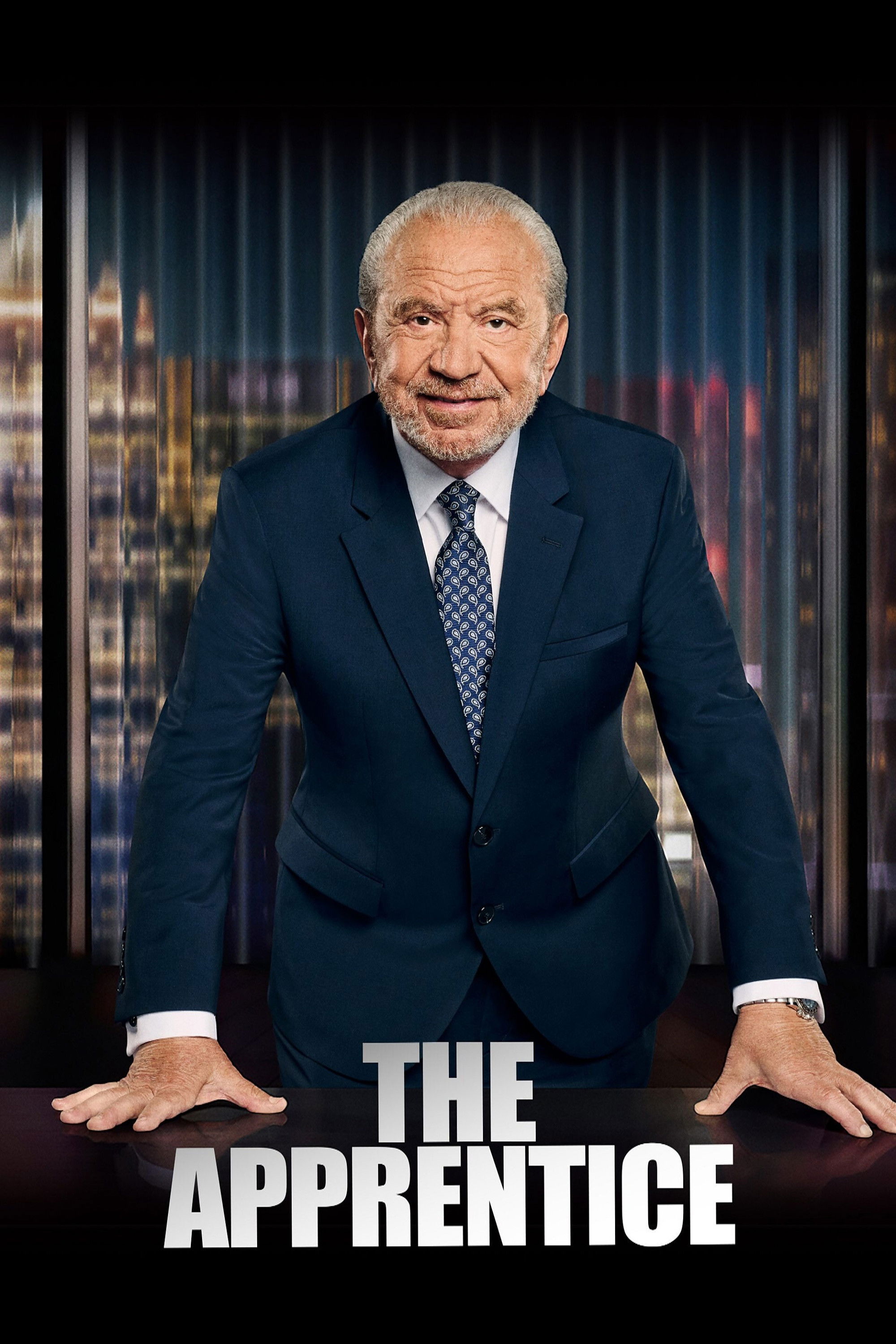
British version of the reality competitions series that sees young entrepreneurs compete in several business tasks, attempting to survive the weekly firings in order to become the business partner of one of the most successful businessmen.