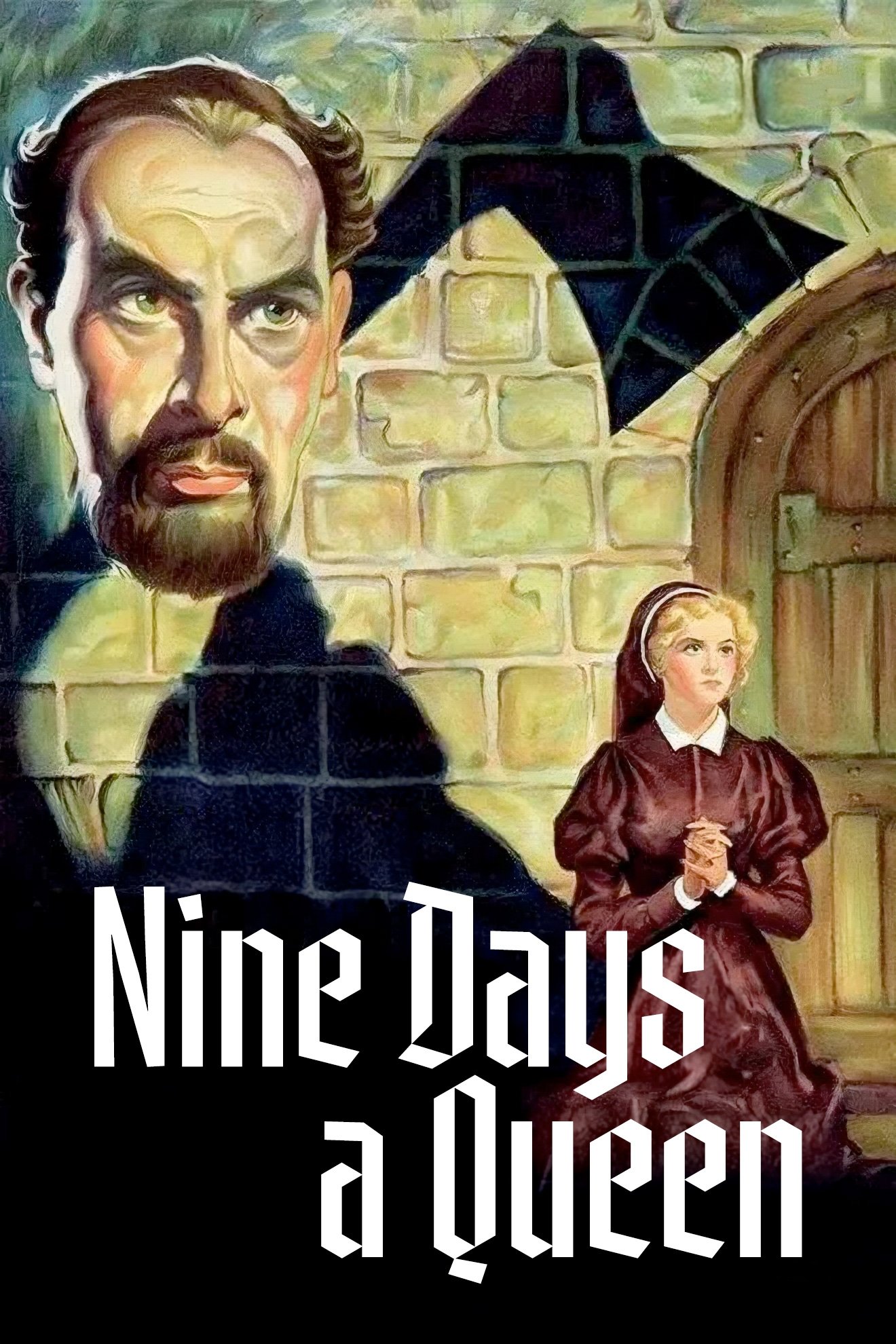
Tudor Rose (1936) character relationship network mapped with AI analysis. Explore the connections, alliances, and conflicts between characters.
Lady Jane Grey is the central figure whose family home and court life are drawn into the succession struggle. Thomas Seymour brings her to London with the promise of an advantageous marriage, but afte...
The Earl of Warwick is a fictional character included in the film’s account of Lady Jane Grey’s brief reign. The synopsis notes that he resembles John Dudley, 1st Duke of Northumberland, but gives no...
King Henry VIII appears at the opening of the film on his deathbed. He states the order of succession, establishing the dynastic context for the story of Lady Jane Grey’s brief reign. The synopsis pro...
Edward Seymour becomes Lord Protector after Henry VIII's death and exercises influence over the young Edward VI. When the king promises to free Thomas Seymour, Edward Seymour persuades him that the ar...
Thomas Seymour seeks to bring Lady Jane Grey from her family home to London, claiming he can arrange an advantageous marriage for her despite her parents' objections. After his arrest, he tells Jane t...
Jane's Father joins the objection when Thomas Seymour proposes taking Jane from her family home to London, claiming he can arrange an advantageous marriage for her. Despite the family's resistance, Th...
Mary Tudor is named after Edward VI in Henry VIII's succession order and later claims the crown against Lady Jane Grey. Warned that the Earl of Warwick has forged letters and arranged an ambush, she t...
Jane's Mother is among the family members who object when Thomas Seymour presses his proposal to bring Jane from the family home to London for an advantageous marriage. Her opposition establishes the...
Edward VI is Henry VIII's young son and successor, whose worsening health intensifies the struggle over the crown. When Jane appeals to him after Thomas Seymour's arrest, he promises that Thomas will...
Family, romantic, and professional connections based on plot evidence.
Henry VIII names Edward VI and Mary Tudor as successive heirs, and Mary asserts her claim after Edward's death.
After Edward VI's death, the Earl of Warwick urges Jane to accept the throne and warns that refusal could lead to civil war.
Jane appeals to her cousin Edward VI for mercy for Thomas Seymour, and Edward promises Thomas will be freed.
After Henry VIII's death, Edward Seymour becomes Lord Protector. He later persuades Edward VI that Thomas Seymour's arrest was justified, despite the...
Thomas Seymour proposes bringing Jane to London and says he can arrange an advantageous marriage for her. When arrested, he tells her to return to the...
Henry names Lady Jane Grey as a successor if the other named heirs have no heirs.
Henry names Mary Tudor after Edward VI in the succession order.
Henry VIII names his son Edward VI first in the order of succession.
Alliances, conflicts, and narrative interactions that evolve throughout the story.
After Edward VI's death, Jane is proclaimed queen while Mary Tudor also claims the crown.
Mary is warned that the Earl of Warwick forged letters and laid an ambush using the letters as bait.
Thomas Seymour is arrested, and Edward Seymour persuades Edward VI that the arrest was justified; Thomas is executed despite the king's promise.
Jane's parents object to Thomas Seymour's proposal to bring Jane to London, but he presses it.
Jane's parents object to Thomas Seymour's proposal to bring Jane to London, but he presses it.
The account follows Lady Jane Grey's growing involvement in succession politics as rival claims and court ambitions threaten the kingdom's stability.
Directed by Robert Stevenson
Tudor Rose (1936) · 8.1/10 · drama, history
Related entry on Wikidata (Q7851319), public domain (CC0).
Plot breakdown and analysis on this page are AI-generated from the title's synopsis and metadata.