Plot Analysis Summary
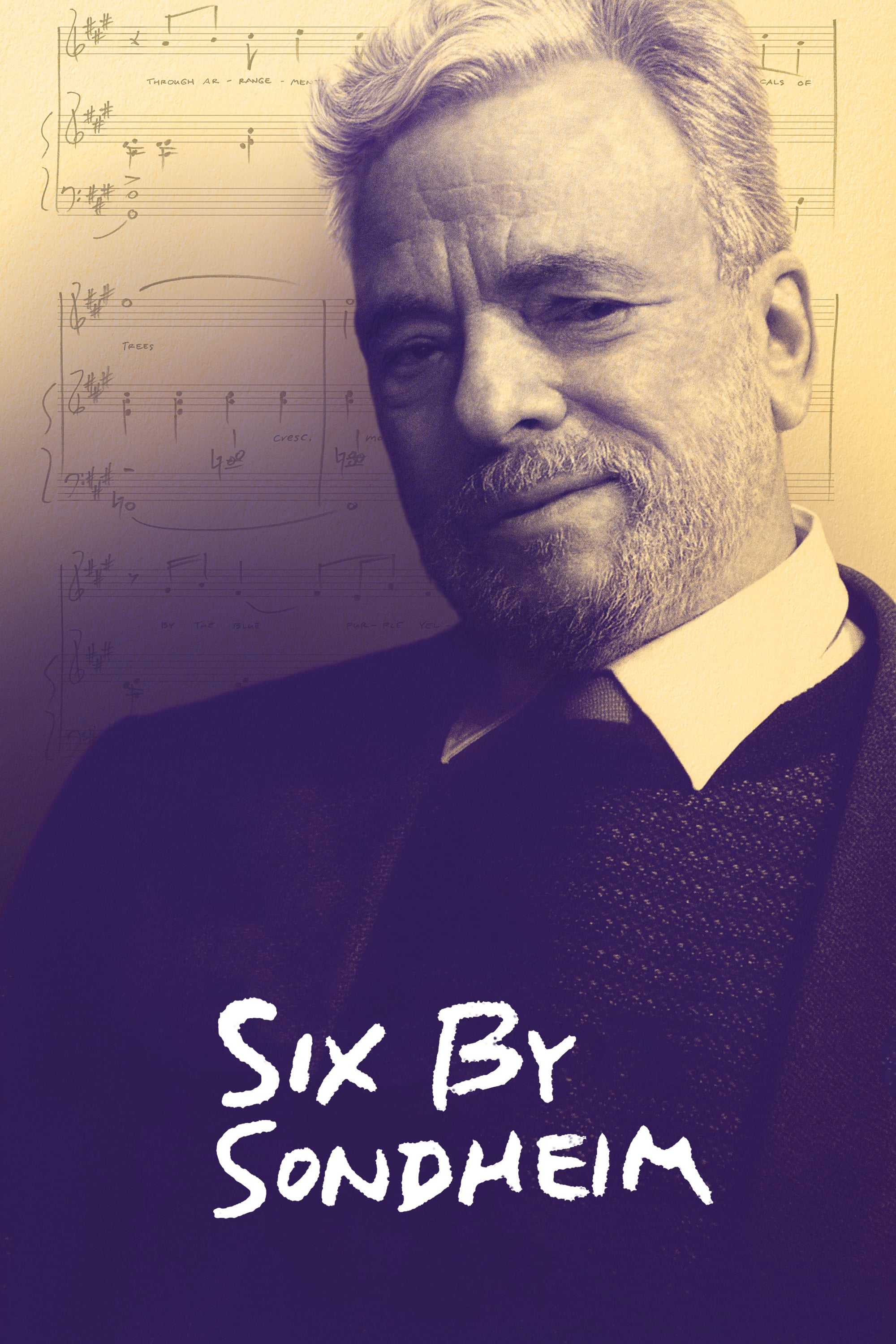
A documentary portrait of Self's creative process, difficult memories, and reflections on art as a way to understand and pass on life.
Story Structure — 4 Plot Phases
Life Turned into Song
Self reflects on shared human difficulties and on writing that examines life honestly. He describes his place in musical theater and the audience attention his work seeks.
Key Events
-
Reflections on Neurosis — Self reflects on neurosis and the difficulties shared by people. Characters: Self / Joe
Location: Documentary interview
-
Difficulties Connect Audiences — Self argues that common hardships allow writing to reach an audience. Characters: Self / Joe
Location: Documentary interview
-
Theater That Demands Attention — The film presents Self as a theater force who challenged audiences to pay attention. Characters: Self / Joe
Location: Documentary presentation
-
Honest Examination of Life — Self says his aim is to examine life honestly, not make people unhappy. Characters: Self / Joe
Location: Documentary interview
Inside the Character's Voice
Self explains how he studies characters and writes from their perspectives, while describing his largely imaginative process. He discusses conversational songs, writing away from the piano, and concern about musical resemblance.
Key Events
-
Writing from Characters — Self studies characters' speech, thoughts, and behavior before writing from their perspectives. Characters: Self / Joe
Location: Documentary interview
-
Imagination and Autobiography — Self says his work is mostly imaginative, though authors put parts of themselves into characters. Characters: Self / Joe
Location: Documentary interview
-
Conversational Songs — Self favors natural rhythms and harmonies that let performers act while singing. Characters: Self / Joe
Location: Documentary interview
-
Writing Away from the Piano — Self explains that uneven technique and familiar muscle memory lead him to write away from the piano. Characters: Self / Joe
Location: Documentary interview
-
Fear of Derivative Tunes — Self worries when a tune in his head resembles an existing song. Characters: Self / Joe
Location: Documentary interview
Finding Survival in Follies
A number in Follies becomes inadequate when a famous performer is given the part. A creative discussion about survival sparks “I'm still here,” reshaping the song as a history of endurance.
Key Events
-
A Troubled Follies Number — A number written for a minor character proves inadequate after a famous performer receives the part. Characters: Self / Joe
Location: Follies creative discussions
-
The Survival Suggestion — A suggestion that the replacement song concern survival sparks the phrase “I'm still here.” Characters: Self / Joe
Location: Follies creative discussions
-
The Song Finds Its History — The survival idea transforms the number into a history of endurance connected to the larger story. Characters: Self / Joe
Location: Follies creative discussions
The Letter and Its Aftermath
Self recalls his painful childhood relationship with his mother and the support of mentors. A letter revealing her regret changes his understanding, before he reflects on children, art, and what can be passed on.
Key Events
-
Painful Childhood Relationship — Self describes a painful relationship with his mother after his parents separated. Characters: Self / Joe
Location: Documentary interview
-
Mentors Offer Support — Self says supportive mentors helped him survive his childhood experience. Characters: Self / Joe
Location: Documentary interview
-
The Letter Before Surgery — A letter from his mother, written before heart surgery, says she regretted giving birth to him. Characters: Self / Joe
Location: Documentary interview
-
A Changed Understanding — The letter overturns Self's earlier belief that his mother's hostility came from misplaced love. Characters: Self / Joe
Location: Documentary interview
-
Art as Legacy — Self reflects on regretting that he did not have children and on art as a way to teach and pass on understanding. Characters: Self / Joe
Location: Documentary interview