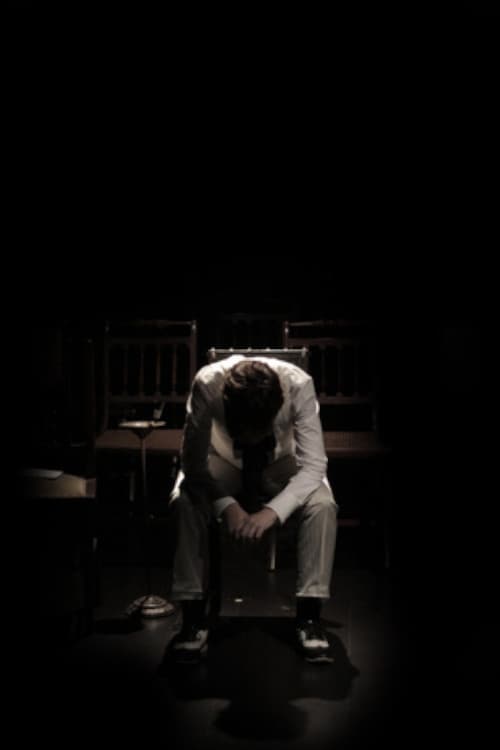
A meta-theatrical adaptation exploring the intersection of performance, literature, and reality through actor rehearsal and stage composition.
Story Structure — 4 Plot Phases
Textual Interpretation
Actors begin reading lines from the novel while butlers arrange the empty stage. The initial focus is on establishing the literary foundation and spatial setup.
Butlers Arrange Scenery — Butlers compose the empty scenic space
Location: Stage
Physical and Verbal Struggle
Rehearsals intensify as actors grapple with movement and text suitability. A distant camera perspective is introduced to shift the narrative focus.
Key Events
Movement Rehearsal Trial — Actors practice physical movements
Location: Stage
Word Suitability Debate — Actors struggle with text adaptation
Location: Stage
Distant Perspective Shift — Camera adopts a distant viewpoint
Location: Stage
The Stage Environment — Essentially empty performance space
Location: Stage
Wilde Novel Text — Source material for interpretation
Location: Stage
Boundary Exploration
The narrative pivots to examining the borders between art and life. Actors deeply embody their characters while butlers refine the scenic composition.
Key Events
Art vs Life Exploration — Focus shifts to artistic boundaries
Location: Stage
Character Embodiment Phase — Actors internalize novel roles
Location: Stage
The Stage Environment — Essentially empty performance space
Location: Stage
Wilde Novel Text — Source material for interpretation
Location: Stage
Synthesis and Resolution
Movement and dialogue merge into a cohesive performance. The film concludes with a reflective exploration of the artistic process and reality.
Key Events
Scenic Space Integration — Butlers adjust spatial composition
Location: Stage
Performance Synthesis — Combined movement and dialogue
Location: Stage
Final Artistic Reflection — Concluding exploration of reality
Location: Stage
Story Breakdown
Literary Adaptation — Process of translating Wilde's novel into stage performance
Text Interpretation — Actors read and analyze character lines
Character Embodiment — Internalizing novel roles for performance
Stage Composition — Visual and spatial arrangement of the performance
Butler Scenography — Butlers compose the empty scenic space
Spatial Dynamics — Adjusting props and movement zones
Performance Process — Rehearsal challenges and artistic struggles
Movement Rehearsal — Actors practice physical staging
Verbal Struggle — Debate over text suitability and delivery
Artistic Theme — Core philosophical exploration of the film
Art Life Borders — Examining boundaries between fiction and reality
Distant Perspective — Using far viewpoint to enhance thematic depth
A group of actors interpret the words of Basil, Lord Henry, Dorian Gray, Sibyl Vane and James Vane, from the novel "The Picture of Dorian Gray" by Oscar Wilde. Next to them are the Butlers - figures that compose the scenic space, essentially empty.
In this adaptation of a literary work to the scene, the actors struggle with the movement of the words and their suitability for the drama.
This film, instead of portraying the show creation process, sought a view from afar in order to enhance a point of view on the borders between art and life.