Story Structure — 4 Plot Phases
The Philosophy of Ignorance
Rumsfeld introduces his core security framework and the director gains access to decades of classified memos. Historical analogies like Pearl Harbor set the stage for his proactive military philosophy.
Key Events
-
Unknown Knowns Definition — Rumsfeld introduces his core security philosophy. Characters: Self
Location: Interview Room
-
Memo Archive Access — Director gains access to decades of classified memos. Characters: Self
Location: Pentagon Archives
-
Pearl Harbor Analogy — Historical failure justifies proactive military imagination. Characters: Self
Location: Interview Room
-
Caught on Camera — Director identifies statement contradiction, highlighting evasion. Characters: Self
Location: Interview Room
-
DoD News Briefing — Reference to famous 2002 briefing about Iraq. Characters: Self
Location: DoD Press Room
-
Memos Read Aloud — Reads selected memo passages on camera. Characters: Self
Location: Interview Room
Confronting the Past
The interview shifts to Vietnam and Guantánamo, where Rumsfeld dismisses past lessons and expresses shock at approved torture techniques. The director catches him in contradictions, highlighting his evasion.
Key Events
-
Caught on Camera — Director identifies statement contradiction, highlighting evasion. Characters: Self
Location: Interview Room
-
Vietnam War Reflection — Rumsfeld dismisses Vietnam lessons with fatalistic brevity. Characters: Self
Location: Interview Room
-
Torture Techniques List — Reviews approved interrogation methods, expressing shock. Characters: Self
Location: Interview Room
-
Good Grief Reaction — Casual dismissal of torture reveals emotional detachment. Characters: Self
Location: Interview Room
Echoes of Controversy
Discussions on the Iraq War, Watergate, and Abu Ghraib expose policy ambiguities and moral questions. Rumsfeld deflects accountability while the documentary structure critiques his lack of reflection.
Key Events
-
Yoo Memos Admission — Admits to never reading critical legal memos. Characters: Self
Location: Interview Room
-
Iraq War Question — Director directly asks if Iraq War was error. Characters: Self
Location: Interview Room
-
Time Will Tell — Deflects responsibility by postponing judgment to future. Characters: Self
Location: Interview Room
-
Snowflake Motif — Recurring visual metaphor emphasizes legacy complexity. Characters: Self
Location: Visual Sequence
-
Watergate Aftermath — Excerpts reveal early political maneuvering and crisis management. Characters: Self
Location: Interview Room
The Final Inversion
Rumsfeld's definition of unknown knowns completely flips, and he acknowledges his earlier stance was wrong. The film closes with a direct question about his participation, leaving his legacy unresolved.
Key Events
-
Watergate Aftermath — Excerpts reveal early political maneuvering and crisis management. Characters: Self
Location: Interview Room
-
Abu Ghraib Discussion — Confronts Rumsfeld with prisoner abuse scandals. Characters: Self
Location: Interview Room
-
Terrorism Definition — Debate over terrorism boundaries highlights policy ambiguity. Characters: Self
Location: Interview Room
-
Director's Critique — Morris notes inability to engage in self-reflection. Characters: Self
Location: Interview Room
-
Definition Inversion — Definition of unknown knowns completely flips. Characters: Self
Location: Interview Room
-
Acknowledging Error — Concedes earlier definition was wrong on record. Characters: Self
Location: Interview Room
-
Final Interview Question — Director asks why he agreed to participate. Characters: Self
Location: Interview Room
-
Vicious Question — Labels question vicious, admits ignorance, closes film. Characters: Self
Location: Interview Room
-
Documentary Closure — Film ends on swirling snowflake, legacy unresolved. Characters: Self
Location: Visual Sequence
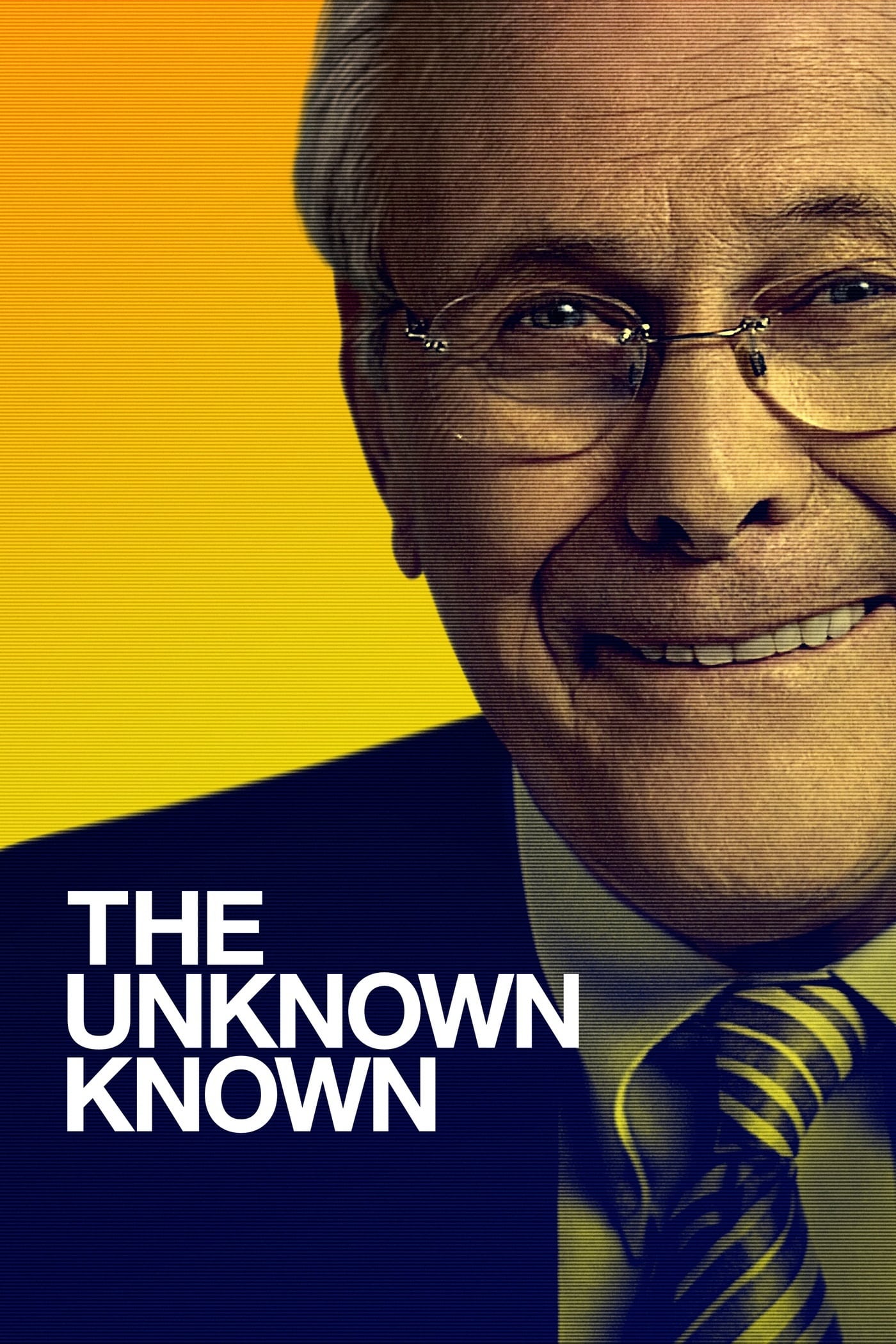
Former United States Secretary of Defense, Donald Rumsfeld, discusses his career in Washington D.C. from his days as a congressman in the early 1960s to planning the invasion of Iraq in 2003.