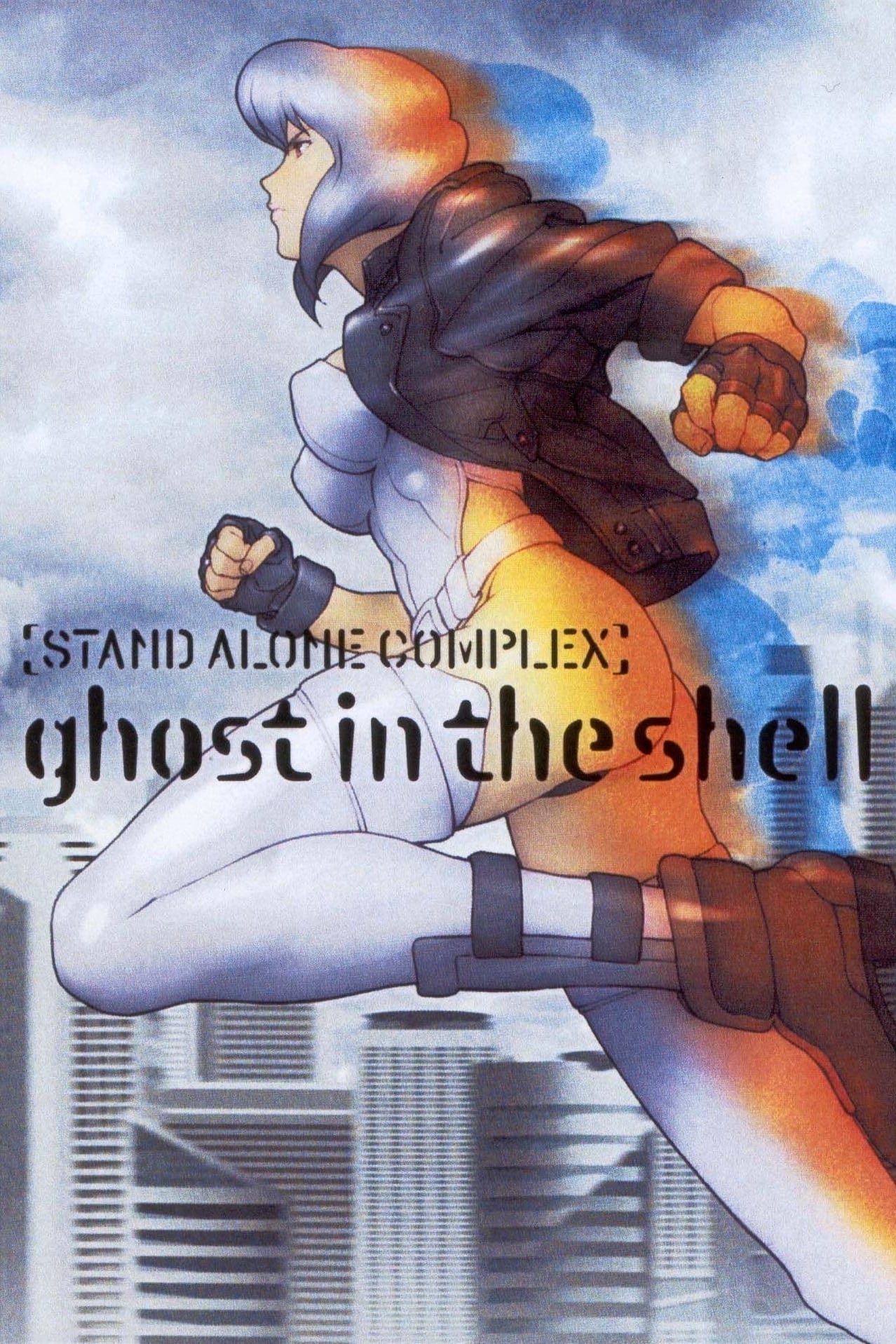
Ghost in the Shell: Stand Alone Complex (2002) interactive character relationship network and AI-powered story timeline. Explore the connections, alliances, and conflicts between characters across the narrative arc.
Overall narrative architecture across both seasons, tracking Section 9's evolution from government unit to independent force amid political and cyber crises.
"Core duo leading Section 9 in S1E1, S2E1, S2E21. Co-lead operations and share command responsibilities."
"Aramaki commands Section 9, Kusanagi executes field operations. S2E1 and S2E24 show continued command structure despite political dissolution."
"S2E21 Kuze disables Batou's right leg and left arm in combat, forcing a tactical retreat."
"Joint operations in S1E4 wake, S1E25 trapped together by Umibozu, and S2E14 poker game downtime."
"S1E10, S1E25, S2E8, S2E12 frequent partners in investigations and sieges."
"S1E10, S2E8, S2E12 Joint investigations, hacking operations, and strategic planning."
"S1E12, S1E15, S2E12, S2E15, S2E26 Kusanagi oversees Tachikoma development, they develop mutual respect and autonomous moral choices."
"S1E1 Kubota briefs Aramaki on the Foreign Minister case and requests Section 9 intervention."
Rating: 8.2/10 (445 votes)
Section 9 tackles episodic crises involving androids, hijacked tanks, and corporate cover-ups, establishing their operational baseline and introducing the Laughing Man thread.
Investigations into police corruption and viral memes deepen the Laughing Man mystery, revealing systemic government and corporate manipulation.
Section 9 uncovers the Murai Vaccine truth and DEA corruption, while Tachikoma AI development raises ethical concerns within the unit.
The Laughing Man's mastermind is exposed, leading to Section 9's forced disbandment by the Umibozu and a major political reckoning.
Two years later, Section 9 operates off-grid amid a refugee crisis, tackling corporate heists and military exercises while rebuilding trust.
A mysterious virus and government manipulation drive Section 9 to investigate CIA servers and military officers, escalating political stakes.
Refugee separatism and nuclear threats force Section 9 into direct combat, culminating in Tachikoma autonomous intervention and a moral reckoning.
Plot analysis generated from content on Wikipedia, licensed under CC BY-SA 4.0.
Related entry on Wikidata (Q1776982), public domain (CC0).