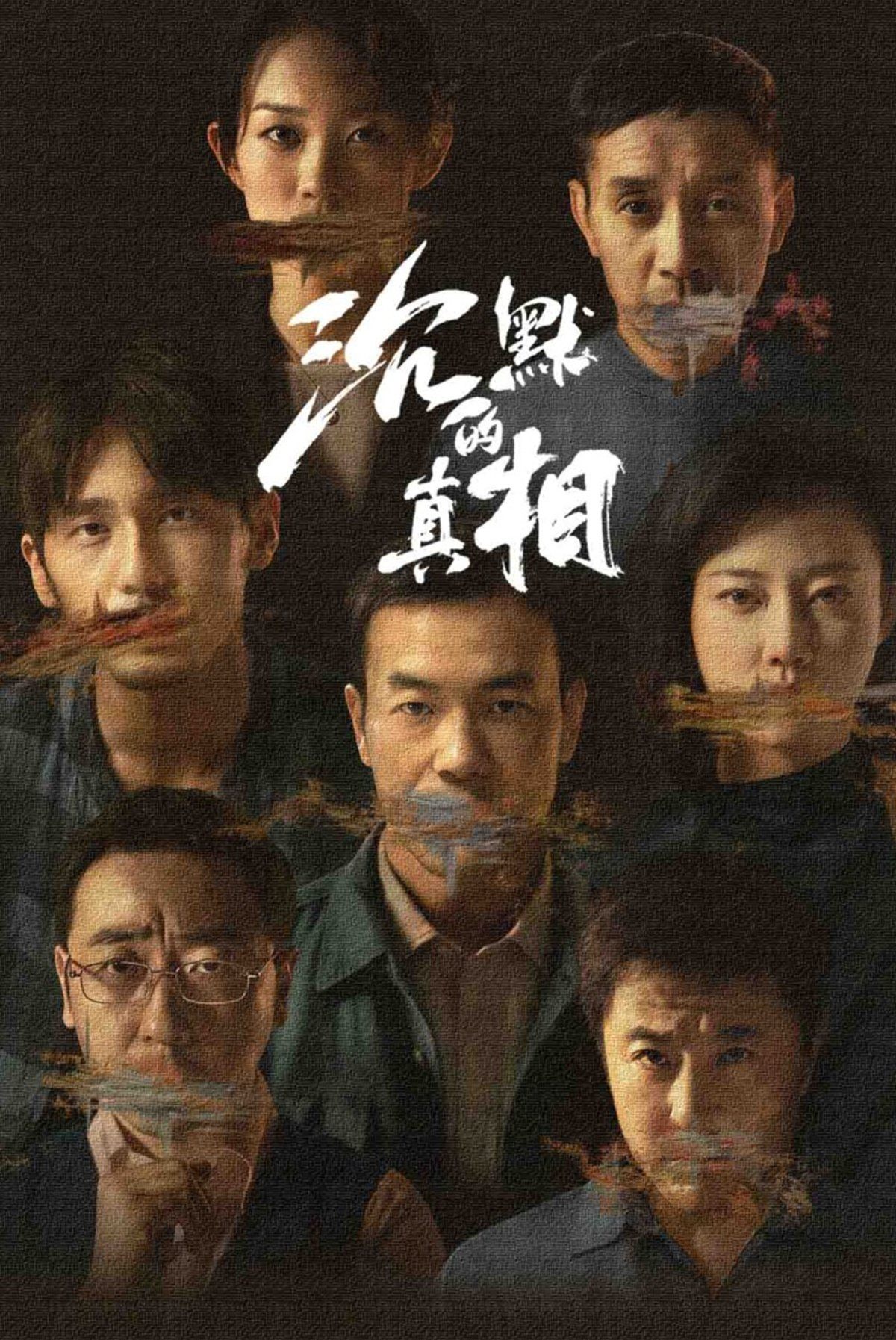
Narrative structure focusing on institutional friction, racial tension, and investigative disruption within a closed rural community.
Story Structure — 1 Plot Phases
Season 1: Hometown Return and Case Fracture
The narrative opens with a detective returning to his rural hometown for a funeral, immediately clashing with established police hierarchy. A racially charged murder case launches the central investigation, but internal resistance and procedural stagnation slow progress. The suspect's sudden death in custody shatters initial assumptions, forcing a deeper, more complicated inquiry into local power structures.
Key Events
Return to Sparta — Protagonist arrives back in hometown for maternal funeral, marking the narrative opening. Location: Sparta
Police Integration Friction — New detective joins antiquated force, encountering immediate institutional resistance. Location: Police Station
Chief Authority Clash — Tension surfaces between incoming chief of detectives and established police chief over hiring protocols. Location: Police Station
Racially Charged Murder — First major case involves heavy racial undertones, immediately raising community stakes. Location: Crime Scene
Suspect Death in Custody — Primary suspect dies while incarcerated, abruptly shifting investigation trajectory. Location: Detention Cell
Investigation Complication — Case twists into complex territory as standard procedures fail to yield answers. Location: Police Station
Small Town Stagnation — Episode concludes highlighting the antiquated nature of local law enforcement and entrenched community dynamics. Location: Sparta
Story Breakdown
Protagonist Return Arc — Tracks the detective's reintegration into hometown life and professional environment.
Funeral Context — Establishes personal stakes and emotional baseline for the opening sequence.
Professional Onboarding — Highlights friction between external expertise and internal departmental norms.
Institutional Power Dynamics — Explores hierarchical conflicts and bureaucratic resistance within the police force.
Chief Authority Clash — Direct confrontation over hiring protocols and operational control.
Antiquated Systems — Depicts outdated procedures hindering modern investigative standards.
Racially Charged Murder Case — Central criminal investigation that exposes underlying community divisions.
Initial Crime Scene — Establishes the violent incident and immediate community reaction.
Suspect Custody Death — Critical event that derails standard investigative pathways.
Investigative Complications — Narrative shifts as initial leads collapse and deeper layers emerge.
Procedural Failure — Standard methods prove insufficient for the evolving case complexity.
Hidden Motives — Suggests broader conspiracies or local cover-ups beyond the surface crime.
Community Atmosphere — Background texture reflecting isolation, tradition, and unspoken tensions.
Rural Isolation — Geographic and social separation amplifies internal conflicts.
Historical Baggage — Past racial and social fractures continue to influence present events.
Narrative Pacing Structure — Controls information release and emotional escalation across the episode.
Slow Burn Opening — Establishes mood and character dynamics before introducing the crime.
Midpoint Disruption — Suspect death acts as structural pivot forcing narrative recalibration.
It was an open shut case with hundred of witnesses seeing the murder suspect trying to dispose of a body and a signed confession from the suspect himself. And yet when the case was ready for court, the prosecutor discovered that the case was not as it appeared. The murder was but a cover for another more shocking injustice. He spent ten years trying to uncover the truth, toiling away his youth, his career, his reputation, his family, and even his life.