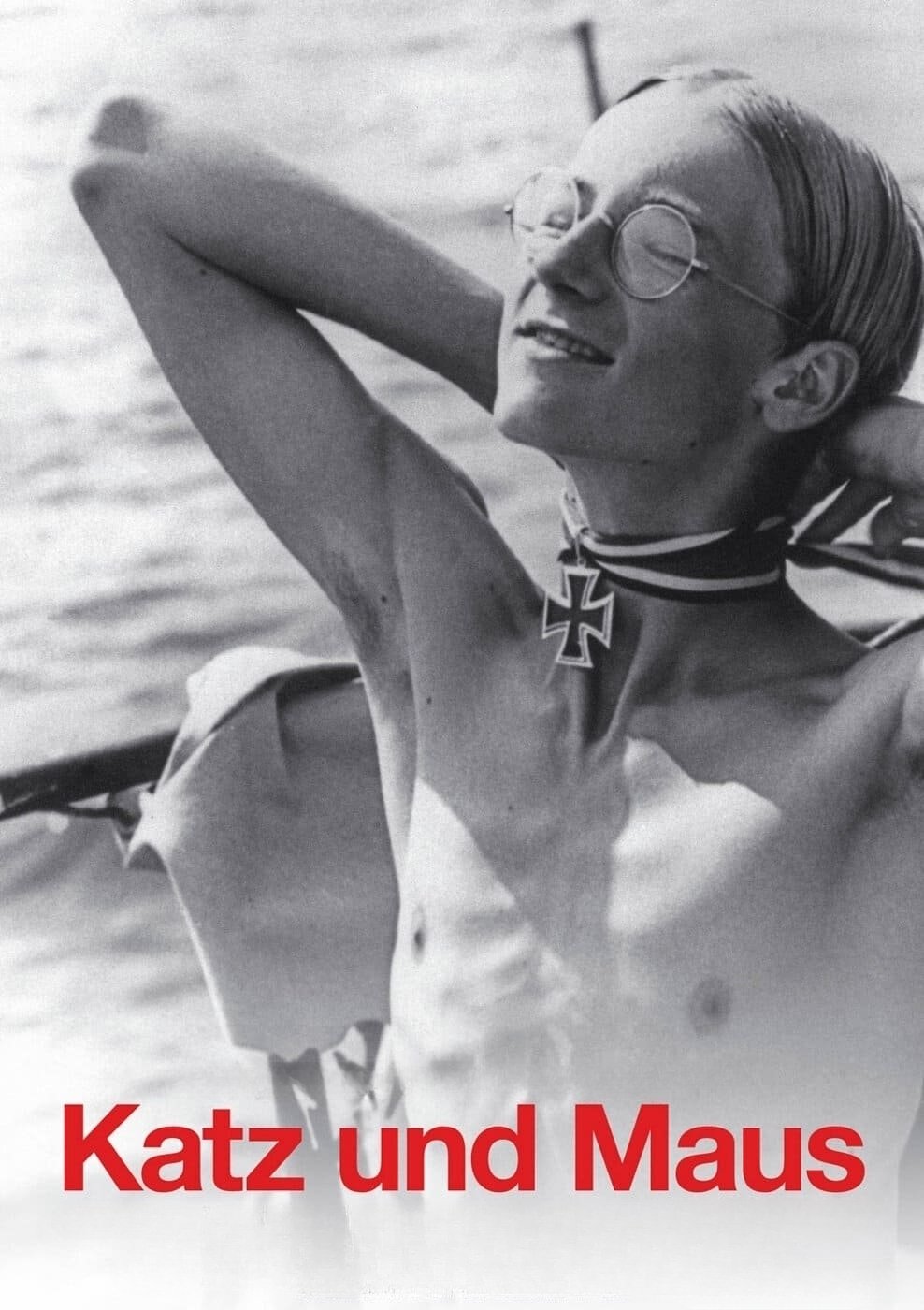
A controversial West German adaptation exploring alienated youth during WWII amid production turmoil.
Story Structure — 4 Plot Phases
Literary Origins
The film originates from Günter Grass novel within Danzig Trilogy. It establishes the historical backdrop of alienated youth during World War II.
Key Events
Novel Adaptation — Film adapted from Günter Grass novel of same name Location: Literary Source
Director Transition — Pohland took over directing after original director died Location: Production Studio
Casting Controversy — Casting political leader sons and explicit scene sparked debate Location: Casting Office
Production Turmoil
Director Hansjürgen Pohland assumes control after original director death. Casting choices and explicit content trigger immediate industry debate.
Key Events
Casting Controversy — Casting political leader sons and explicit scene sparked debate Location: Casting Office
Film Release — Premiered on February 7, 1967 in West Germany Location: West German Cinemas
Critical Backlash — Highly controversial upon release due to explicit content Location: German Media
Danzig WWII Setting — Historical setting focusing on alienated youth Location: Danzig, World War II
Release & Controversy
Premieres in West German cinemas on February 7, 1967. Faces intense public and critical backlash over mature themes and political casting.
Key Events
Danzig WWII Setting — Historical setting focusing on alienated youth Location: Danzig, World War II
New German Cinema — Recognized as part of the New German Cinema wave Location: Cinematic Movement
Commercial Failure — Described as a failure with little subsequent attention Location: Box Office
Reception & Legacy
Initially labeled a commercial failure with fading public attention. Later recognized as a notable artifact of New German Cinema movement.
Key Events
Commercial Failure — Described as a failure with little subsequent attention Location: Box Office
Historical Reflection — Preserved as a controversial historical artifact Location: Film Archives
Legacy Assessment — Studied for its production challenges and cultural impact Location: Cinema History
Story Breakdown
Literary Adaptation — Source material and thematic foundation for the film.
Grass Novel Source — Based on Günter Grass novel of same name.
Danzig Trilogy Context — Serves as second book in historical trilogy.
Production Shift — Behind the scenes directorial changes and challenges.
Director Death — Original director passes unexpectedly during prep.
Pohland Takes Over — Producer steps into directing role mid production.
Casting Controversy — Public and industry reaction to unconventional choices.
Brandt Sons Roles — Political leader sons cast as lead characters.
Explicit Scene Inclusion — Masturbation scene sparks immediate public debate.
Release Details — Premiere schedule and distribution facts.
Feb 1967 Premiere — Released in West German theaters on Feb 7.
Drama Genre Focus — Classified as historical drama with mature themes.
Critical Reception — Audience and reviewer responses to the film.
Initial Controversy — Faces intense backlash upon theatrical debut.
Later Commercial Failure — Described as box office disappointment over time.
Cinematic Movement — Placement within broader film history context.
New German Cinema — Recognized as part of influential German wave.
Historical Drama Genre — Explores WWII alienation and youth themes.
In 1966, a former gymnast returns to his hometown Danzig, which is now a part of Poland. He begins to reflect on one of his classmates, Joachim Mahlke, who disappeared during World War II. Mahlke was initially marked as an outsider due to his oversized Adam’s apple, but when he turned out to be a great diver, the in-crowd embraced him. Then he steals a Knight’s Cross from a soldier and is expelled from school. Volunteering for war service, he earns a medal himself and hopes his reputation will be rehabilitated. But the school principal refuses and Mahlke deserts from the army…