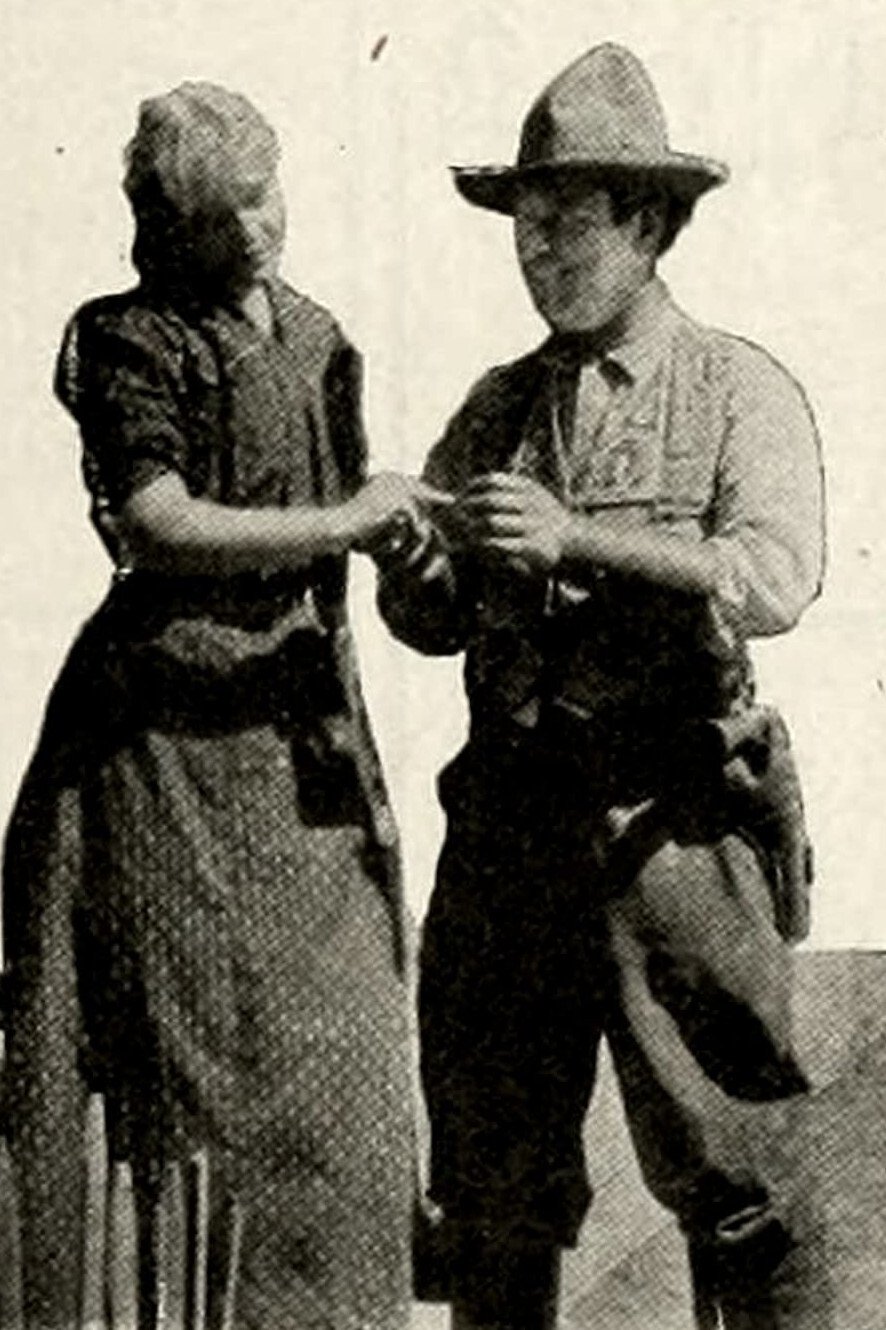
The Three Gamblers (1913) — AI Story Visualization
Plot Analysis Summary
A narrative exploring the destructive cycle of gambling debt, professional ethics, and generational financial ruin.
Story Structure — 4 Plot Phases
The Temptation of Greed
Corrington's dissatisfaction with his financial state drives him to embezzle company funds for gambling. The stage is set for a catastrophic financial decision that jeopardizes his livelihood.
Key Events
Financial Dissatisfaction — Corrington grows dissatisfied with his financial necessities and considers gambling. Location: Express Office
Embezzlement of Funds — Corrington steals express company funds to finance his gambling attempts. Location: Express Office
Covering the Tracks — Corrington attempts to conceal his embezzlement before the audit. Location: Express Office
The Stolen Payroll Crisis
A sheriff's urgent request for mine payroll money intersects with Corrington's reckless roulette loss. The stakes escalate rapidly as stolen funds vanish and deadlines loom.
Key Events
Sheriff's Payroll Request — A sheriff demands the delivery of mine payroll money currently in Corrington's possession. Location: County Line
The Roulette Loss — Corrington gambles and loses a thousand dollars of the stolen payroll funds. Location: Casino
Billy's Intervention — Professional gambler Broncho Billy loans Corrington the exact amount needed to replace the lost funds. Characters: Broncho BillyLocation: Casino
The Professional's Intervention
Broncho Billy steps in to loan the necessary funds, establishing a formal debt agreement with strict collateral. The narrative shifts from chaotic loss to calculated risk.
Key Events
Billy's Intervention — Professional gambler Broncho Billy loans Corrington the exact amount needed to replace the lost funds. Characters: Broncho BillyLocation: Casino
Collateral Agreement — Corrington pledges his home or a thirty-day note as collateral for the loan. Characters: Broncho BillyLocation: Casino
Robert's Parallel Path — Robert Corrington is shown rapidly following his father's destructive financial footsteps. Characters: Robert CorringtonLocation: Family Home
Collateral and Consequences
The looming repayment deadline and Robert's parallel descent into gambling create a grim outlook. The story closes on the cyclical nature of financial ruin and inherited vice.
Key Events
Looming Financial Ruin — The threat of losing his home intensifies as the repayment deadline approaches. Location: Home
Payroll Crisis Escalates — Pressure mounts to deliver the missing payroll to the Blue Ledge Mine before shutdown. Location: Mine Road
Gambler's Professional Code — Billy demonstrates the ethical standards of a professional by extending credit responsibly. Characters: Broncho BillyLocation: Saloon
Thirty-Day Deadline — Corrington faces the final countdown to repay the loan or forfeit his property. Location: Home
Cyclical Warning — The narrative closes on the generational cycle of gambling debt and financial ruin. Characters: Robert CorringtonLocation: Family Home
Blue Ledge Mine Delivery — The payroll must be delivered to avoid halting mining operations. Location: Mine Entrance
Billy's Reputation — Billy's professional standing relies on honoring the loan agreement despite risks. Characters: Broncho BillyLocation: Saloon
Story Breakdown
Financial Desperation — Corrington's dissatisfaction with his economic status drives him toward illicit means.
Embezzlement Scheme — Corrington steals express company funds to finance his gambling.
Roulette Temptation — The allure of quick wealth overrides professional responsibility.
The Payroll Crisis — External pressure mounts as official funds are misappropriated.
Sheriff's Urgent Request — Law enforcement demands immediate delivery of mine payroll.
Mine Payroll Stakes — The financial survival of the Blue Ledge Mine hangs in balance.
The Gambling Loss — Reckless wagering results in a catastrophic deficit.
Stolen Funds Wagered — Corrington risks the embezzled money on a single game.
Thousand Dollar Deficit — A massive shortfall emerges that threatens immediate ruin.
Professional Intervention — An experienced gambler steps in to stabilize the situation.
Broncho Billy Steps In — Billy provides the exact capital needed to cover the loss.
Credit Extension — Billy operates within the established code of professional gambling.
Collateral Agreement — Formal terms are established to secure the loan.
Thirty Day Note — A strict repayment deadline is set for the borrowed funds.
Home as Security — Corrington pledges his property as default collateral.
Generational Cycle — The narrative highlights the inherited nature of financial vice.
Robert Follows Path — The son rapidly mirrors his father's destructive gambling habits.
Inherited Financial Ruin — The cycle of debt threatens to consume the next generation.
Thematic Warning — The story concludes with a moral reflection on greed and consequence.
Greed Consequences — The narrative underscores the inevitable fallout of unchecked desire.
Moral Ambiguity — Professional ethics clash with personal financial desperation.
Herbert Corrington, a would-be gambler and agent for an express company, not satisfied with the necessities of life, tries his luck at roulette, appropriating the express company's money. Robert, the son, is fast traveling in the footsteps of his father. The Sheriff in the next county is sent for a large package of money in Corrington's possession to be delivered to the Blue Ledge Mine for the payroll. Corrington gambles a thousand dollars of this money and loses. Broncho Billy, a professional gambler, loans Corrington the money necessary to replace the funds he had maliciously taken. Corrington gives the gambler a note payable in thirty days or his home as collateral in case of default.