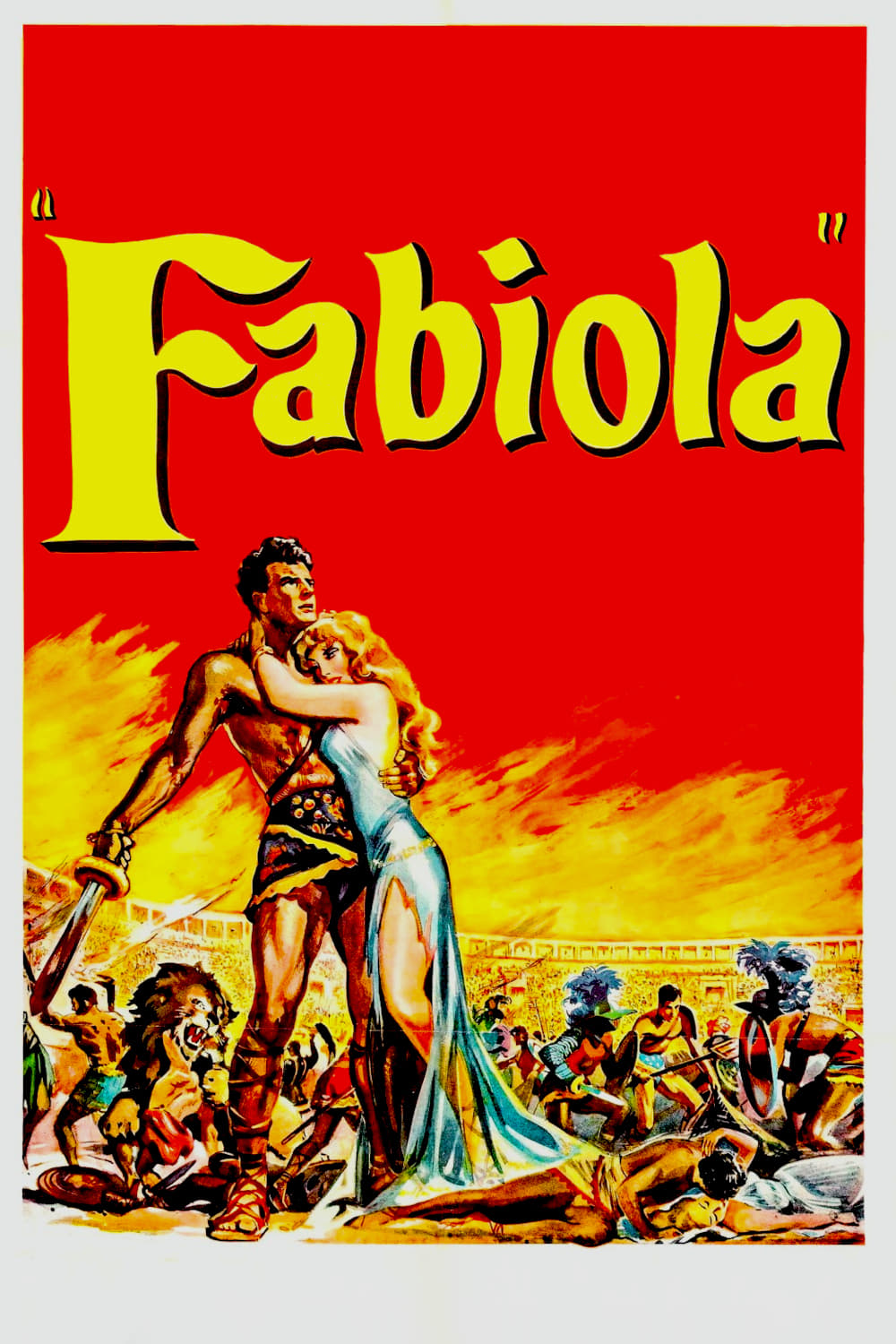
Fabiola (1949) character relationship network mapped with AI analysis. Explore the connections, alliances, and conflicts between characters.
Characters
Fabiola
(played by Michèle Morgan) — protagonist
Fabiola is the daughter of Senator Fabius Severus and falls in love with Rhual, a Gallic gladiator and secret Christian. After her father is murdered and Christians are blamed, she suspects Rhual, but...
Rhual
(played by Henri Vidal) — supporting
Rhual is a young Gallic gladiator, secretly serving Emperor Constantine and a Christian. He falls in love with Fabiola, daughter of Senator Fabius Severus, and defends the Christians accused of the se...
Senator Fabius Severus
(played by Michel Simon) — supporting
Senator Fabius Severus is Fabiola's father and a leader of a movement for religious tolerance and the freeing of slaves. His murder by reactionary politicians becomes the catalyst for the persecution...
Sebastian
(played by Massimo Girotti) — supporting
Sebastian is a centurion of the Praetorian Guard who is denounced as a Christian during the persecutions. He dies as a martyr, illustrating the danger faced by Christians in Rome. His fate is part of...
Canonical Relationships
Family, romantic, and professional connections based on plot evidence.
Fabiola → Rhual
(Romantic Love Interest) — Their romance develops across the social divide between a senator's daughter and a Gallic gladiator.
Fabiola meets Rhual in the villa gardens, and the plot states that they fall in love.
Senator Fabius Severus → Fabiola
(Family Father) — Fabius is Fabiola's father and his murder becomes the central personal and political crisis.
The plot explicitly identifies Fabiola as Senator Fabius Severus's daughter.
Story Dynamics
Alliances, conflicts, and narrative interactions that evolve throughout the story.
Sebastian → Fabiola
(Narrative Christian Predecessor) — Sebastian's martyrdom forms part of the persecution that influences the moral turning point of Fabiola's story.
Sebastian dies as a Christian martyr before Fabiola publicly joins the Christians in the arena.
Rhual → Sebastian
(Alliance Fellow Christian) — They are connected as Christian men targeted by the Roman persecution.
Rhual confesses to being a Christian, and Sebastian is denounced and executed as a Christian during the same persecution.
Senator Fabius Severus → Rhual
(Social Host) — Fabius's villa provides the setting where Rhual meets Fabiola and enters the senator's household world.
Rhual is invited to participate in the gladiator games at Fabius's seaside villa.
Story Analysis
A forbidden love story becomes a moral and political struggle against persecution in ancient Rome.
Plot Progression
Love at the Seaside Villa
— Rhual arrives at Fabius's villa for gladiator games and secretly supports the Christian cause. He meets Fabiola in the gardens, and their attraction grows before her identity is revealed.
Murder and False Accusation
— Fabius promotes religious tolerance and the freeing of slaves, but reactionary politicians murder him. Christians are blamed, and Fabiola begins to suspect Rhual.
Faith Before the Tribunal
— Rhual confesses that he is a Christian and defends the accused Christians at trial. The court nevertheless condemns them to death in the arena, intensifying the persecution.
A Freedom Refused
— Fabiola secures Rhual's freedom, but he initially rejects her. Sebastian dies as a Christian martyr, deepening the moral crisis surrounding the persecution.
The Arena Revolt
— Fabiola publicly joins the Christians in the arena, showing that they were not responsible for her father's death. Rhual refuses to kill, the gladiators lower their weapons, and an uprising brings pea...