The U.S. and the Holocaust (2022) — AI Story Visualization
Plot Analysis Summary
Overall narrative architecture across all 1 seasons
Story Structure — 4 Plot Phases
Origins of Exclusion
Congressional backlash and eugenicist ideology drive restrictive immigration laws, while Nazi persecution of German Jews escalates under authoritarian leadership.
Key Events
Xenophobic Backlash and Immigration Restriction — Congressional response to public fear leads to restrictive immigration policies. Characters: Self - Narrator, Madison GrantLocation: Washington D.C.
Nazi Persecution of German Jews — Systematic targeting and legal disenfranchisement of Jewish populations intensifies. Characters: Hermann Göring, Self - HildesheimLocation: Germany
FDR Policy Constraints — Executive concern faces legislative and bureaucratic limitations. Characters: Self - Narrator, Eleanor RooseveltLocation: White House
Madison Grant Policy Influence — Ideological frameworks shape early exclusionary immigration laws. Characters: Madison Grant, Self - NarratorLocation: Policy Circles
Hermann Göring Command Operations — Nazi leadership coordinates persecution campaigns and resource allocation. Characters: Hermann Göring, U.S. ArmyLocation: Nazi Headquarters
Self - Historian Policy Analysis — Scholarly examination traces immigration restrictions to historical eugenics. Characters: Self - Historian, Madison GrantLocation: Academic Review
Self - Narrator Crisis Framing — Documentary establishes thematic scope and historical urgency. Characters: Self - Narrator, (voice)Location: Narrative Space
Escalation and Silent Complicity
American public divides over wartime intervention, while grassroots networks attempt refugee rescue amid bureaucratic hurdles and expanding mass murder operations.
Key Events
American Intervention Debate — National division emerges over whether to engage against Nazi Germany. Characters: Self - Historian, Self - NarratorLocation: Public Sphere
Grassroots Refugee Rescue Networks — Individuals and organizations coordinate escape routes for persecuted civilians. Characters: Eleanor Roosevelt, U.S. ArmyLocation: European Borders
German Invasion and Mass Murder Onset — Military expansion coincides with the beginning of systematic extermination. Characters: Hermann Göring, Self - NarratorLocation: Eastern Front
Eleanor Roosevelt Advocacy — First Lady leverages platform to champion refugee assistance programs. Characters: Eleanor Roosevelt, Self - WriterLocation: Humanitarian Offices
Cross-Atlantic Diplomatic Stalemate — Allied coordination faces logistical and political friction. Characters: Self - Narrator, Self - HistorianLocation: International Forums
Liberation and Unveiling
Allied forces secure detention sites, revealing the full scale of atrocities to a shocked public and forcing immediate moral and political reckoning.
Key Events
Government Red Tape Obstacles — Dedicated officials struggle against administrative barriers to support rescue operations. Characters: Self - Historian, Self - WriterLocation: Federal Agencies
Allied Camp Liberation — Coalition forces secure detention sites and document atrocities. Characters: U.S. Army, AlliesLocation: Liberated Territories
Public Revelation of Holocaust Scale — Visual documentation forces national awareness of the genocide's magnitude. Characters: Self - Narrator, Self - HildesheimLocation: American Media
U.S. Army Deployment and Documentation — Military units secure sites and preserve evidence for historical record. Characters: U.S. Army, Self - HistorianLocation: Liberation Zones
Reckoning and Legacy
National discourse confronts historical policy failures, institutional accountability, and the enduring impact of rescue efforts and systemic inaction.
Key Events
National Moral Reckoning — Society confronts complicity, policy failures, and humanitarian responsibilities. Characters: Self - Historian, Eleanor RooseveltLocation: Public Discourse
Moral Awakening Among Citizens — Grassroots movements demand policy reform and humanitarian action. Characters: Self - Hildesheim, Self - NarratorLocation: American Communities
Institutional Accountability Debates — Official inquiries examine bureaucratic failures and military responsibilities. Characters: Self - Historian, U.S. ArmyLocation: Congressional Hearings
Legacy of Rescue and Inaction — Final synthesis evaluates long-term impacts on refugee policy and human rights. Characters: Self - Narrator, Eleanor RooseveltLocation: Historical Reflection
Story Breakdown
Immigration Restriction Era — Congressional backlash against open borders shapes early policy.
Xenophobic Legislation — Laws limit refugee intake based on public fear.
Madison Grant Influence — Eugenicist ideas drive exclusionary frameworks.
Nazi Persecution Escalation — Systematic targeting of German Jews intensifies.
State-Sponsored Violence — Legal and physical persecution expands rapidly.
Göring Command Role — Nazi leadership orchestrates enforcement campaigns.
American Intervention Debate — Public and political divisions over WWII involvement.
Isolationist Sentiment — Many citizens oppose foreign military entanglement.
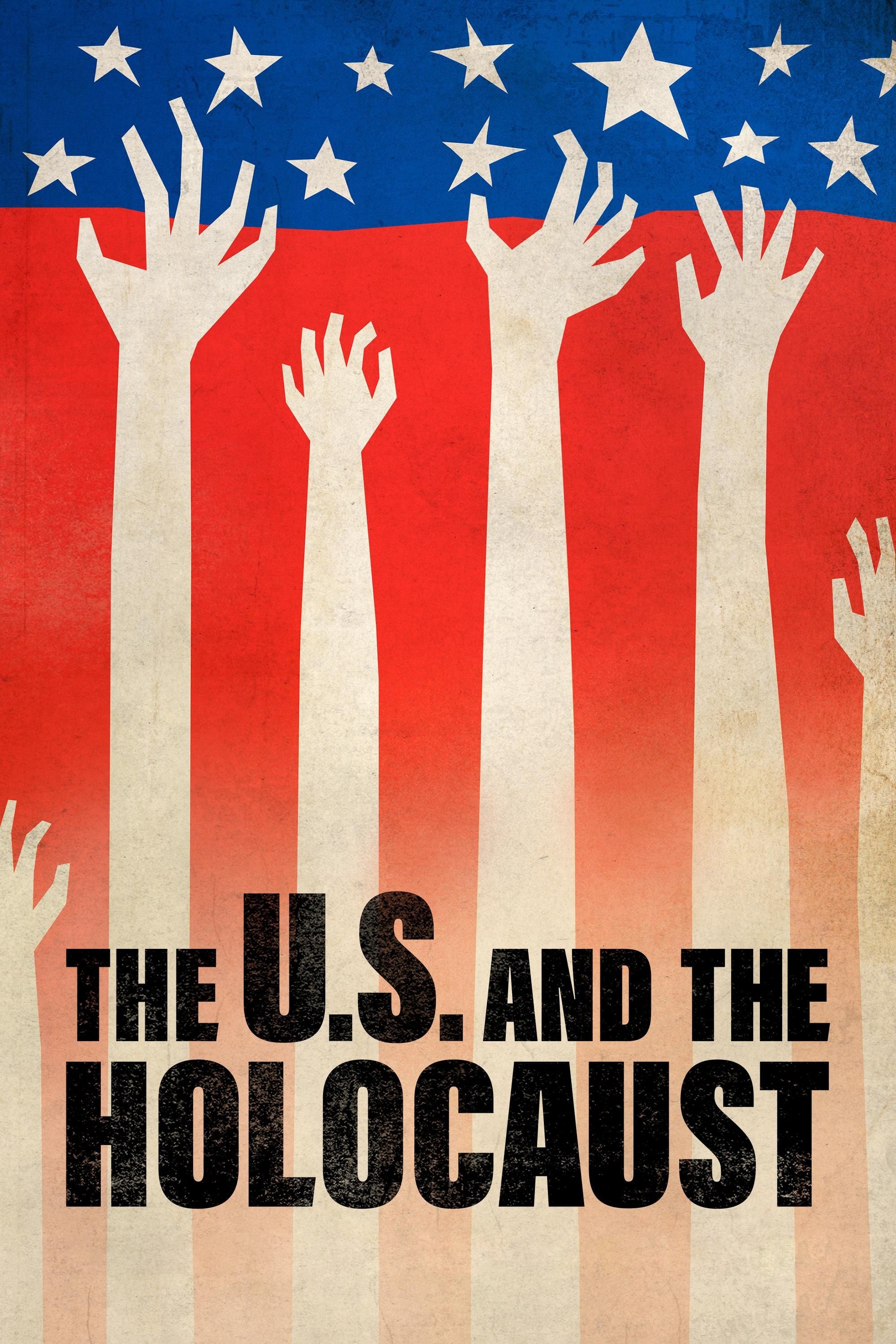
Americans consider themselves a 'nation of immigrants', but as the catastrophe of the Holocaust unfolds in Europe, the U.S. prove unwilling to open its doors to more than a fraction of the hundreds of thousands of desperate refuge seekers. Through riveting firsthand testimony of witnesses and survivors who as children endured persecution, violence and flight as their families tried to escape Hitler, this three-part documentary series delves deeply into the tragic human consequences of public indifference, bureaucratic red tape and restrictive quota laws in America. Did the nation fail to live up to its ideals? This is a history to be reckoned with.