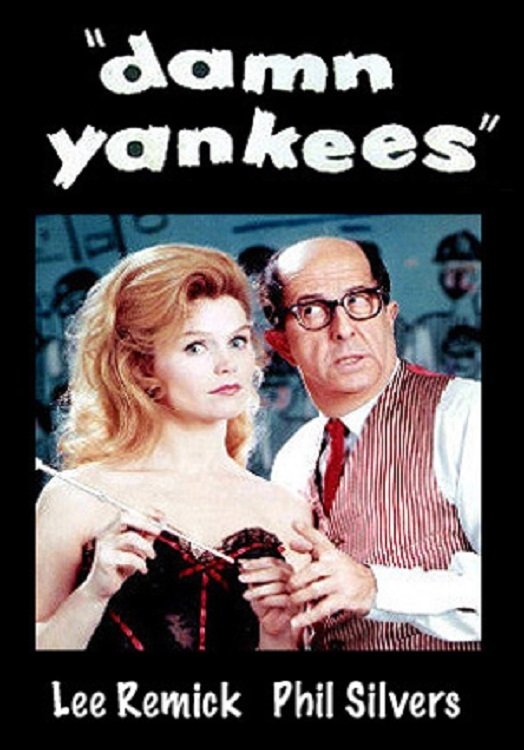
Pop-Art Design Implementation — Pop-art production design and staging featured collage animation
Location: NBC Studio
Recording & Broadcast Preparation
Filming concludes at NBC's Brooklyn Studios with traveling matte techniques finalized.
Key Events
Chroma Key Technology — Early examples of color Chroma key compositing to achieve traveling mattes
Location: Technical Lab
Studio Recording Session — Recorded at NBC's Brooklyn Studios for television broadcast
Location: NBC's Brooklyn Studios
Color Broadcast Transmission — Colorcast on April 8, 1967 as a television production
Location: Broadcast Tower
Sports Broadcasting Integration — Integration of sportscaster narration with theatrical staging
Location: Studio
Production Design Showcase — Showcase of collage animation and early color television techniques
Location: Studio
Television Premiere & Legacy
The colorcast airs on April 8, 1967, launching the relaunched General Electric Theater.
Key Events
Color Broadcast Transmission — Colorcast on April 8, 1967 as a television production
Location: Broadcast Tower
General Electric Theater Launch — Production of a relaunched General Electric Theater series
Location: NBC Network
1960s TV Era Context — Ran from the late 1960s into the early 1970s television landscape
Location: Living Rooms
Baseball Envy Theme — Core narrative theme of envy toward the successful New York Yankees team
Location: Stadium
Traveling Matte Technique — Technical method used to achieve traveling mattes for TV
Location: Visual Effects
Story Breakdown
Narrative Premise — Establishes the core story theme and setting.
Yankees Envy Theme — Focuses on the emotional drive of the narrative.
Baseball Context — Provides the sports backdrop for the story.
Source Material — Traces the literary and theatrical origins.
1954 Novel Origin — Douglass Wallop's original book foundation.
1955 Musical Stage — Previous theatrical adaptation reference.
Production Design — Details the visual and artistic direction.
Pop-Art Staging — Modern aesthetic applied to the set.
Collage Animation — Integrated motion graphics for TV format.
Technical Execution — Highlights the broadcast engineering methods.
Chroma Key Compositing — Early color separation technology used.
Traveling Matte Effects — Visual layering technique for television.
Broadcast Logistics — Covers the recording and transmission process.
Brooklyn Studio Recording — Primary filming location at NBC.
April 1967 Colorcast — Official television air date and format.
Network Integration — Places the production within the broadcasting landscape.
General Electric Theater — Relaunched series hosting the adaptation.
Late 60s TV Era — Historical context of the broadcast run.
Host Presentation — Focuses on the on-camera narration role.
Joe Garagiola Narration — Sportscaster provides contextual setup.
On-Camera Setup — Direct address format for audience engagement.
Visual Innovation — Showcases the experimental television techniques.
Early Color TV Tech — Pioneering use of color broadcasting.
Studio Experimentation — Creative risk-taking in production design.
Joe Boyd, an aging Washington Senators fan, would sell his soul for the Senators to beat the New York Yankees and win the pennant. Enter Mr. Applegate, who offers to turn Boyd into Joe Hardy, a powerful young baseball player, in exchange for his soul. When Boyd agrees, he becomes Hardy and leads the Senators on a winning streak. When he starts to miss his wife, though, and questions the deal, Applegate sends temptress Lola into the mix.