Story Structure — 5 Plot Phases
The Evolution Premise
The documentary opens by questioning whether Homo sapiens can biologically evolve into Homo spatius. It establishes the fifty year historical context of testing human limits for space conquest.
Key Events
-
Evolution Premise — Question of human evolution to Homo spatius
Location: Narrative Frame
-
Fifty Year Testing Era — Decades of human nature testing for space conquest
Location: Space Research Facilities
Decades of Testing
The narrative explores the extensive trials conducted over fifty years to understand human nature and physical endurance. It highlights the thirty year timeline projected for potential Mars missions.
Key Events
-
Mars Timeline Projection — Thirty year horizon for potential Mars exploration
Location: Mission Planning Center
-
Physical Adaptation Query — Assessing if human bodies can endure long travels
Location: Medical Lab
-
Biological Limits Study — Investigating long term physiological adaptation
Location: Research Institute
Physical and Mental Trials
Focus shifts to the direct impact of space travel on astronauts. The film examines both physiological strain and psychological resilience required for long duration voyages.
Key Events
-
Biological Limits Study — Investigating long term physiological adaptation
Location: Research Institute
-
Psychological Impact Analysis — Measuring mental strain on astronauts in isolation
Location: Observation Deck
-
Astronaut Experience Review — Compiling firsthand accounts of space travel
Location: Mission Archive
Medical Science Breakthroughs
Detailed insights into how space exploration has advanced medical sciences. The documentary measures health impacts and compiles data from decades of astronaut monitoring.
Key Events
-
Medical Science Measurement — Quantifying health impacts on medical research
Location: Clinical Ward
-
Human Adventure Integration — Merging exploration footage with biological data
Location: Documentary Set
-
Body Exploration Focus — Deep dive into physiological changes in orbit
Location: Anatomy Lab
-
Radiation Exposure Data — Tracking cellular damage from cosmic rays
Location: Space Station
Future Horizons
The film concludes by synthesizing human adventure with biological exploration. It leaves viewers with a profound understanding of adaptation and the ongoing quest for Mars.
Key Events
-
Radiation Exposure Data — Tracking cellular damage from cosmic rays
Location: Space Station
-
Microgravity Effects — Documenting bone density and muscle loss
Location: Zero G Chamber
-
Crew Dynamics Study — Analyzing interpersonal stress in confined spaces
Location: Habitation Module
-
Long Term Health Monitoring — Continuous tracking of astronaut vital signs
Location: Medical Bay
-
Scientific Data Compilation — Aggregating fifty years of space medicine findings
Location: Research Hub
-
Adaptation Threshold Test — Pushing human limits in controlled environments
Location: Simulation Center
-
Future Mission Planning — Designing protocols for deep space voyages
Location: Command Center
-
Medical Legacy Assessment — Evaluating contributions to terrestrial medicine
Location: Academic Hall
-
Humanity Space Journey — Reflecting on the ongoing quest to conquer space
Location: Orbital View
-
Evolutionary Conclusion — Final synthesis of biological and exploratory insights
Location: Narrative Frame
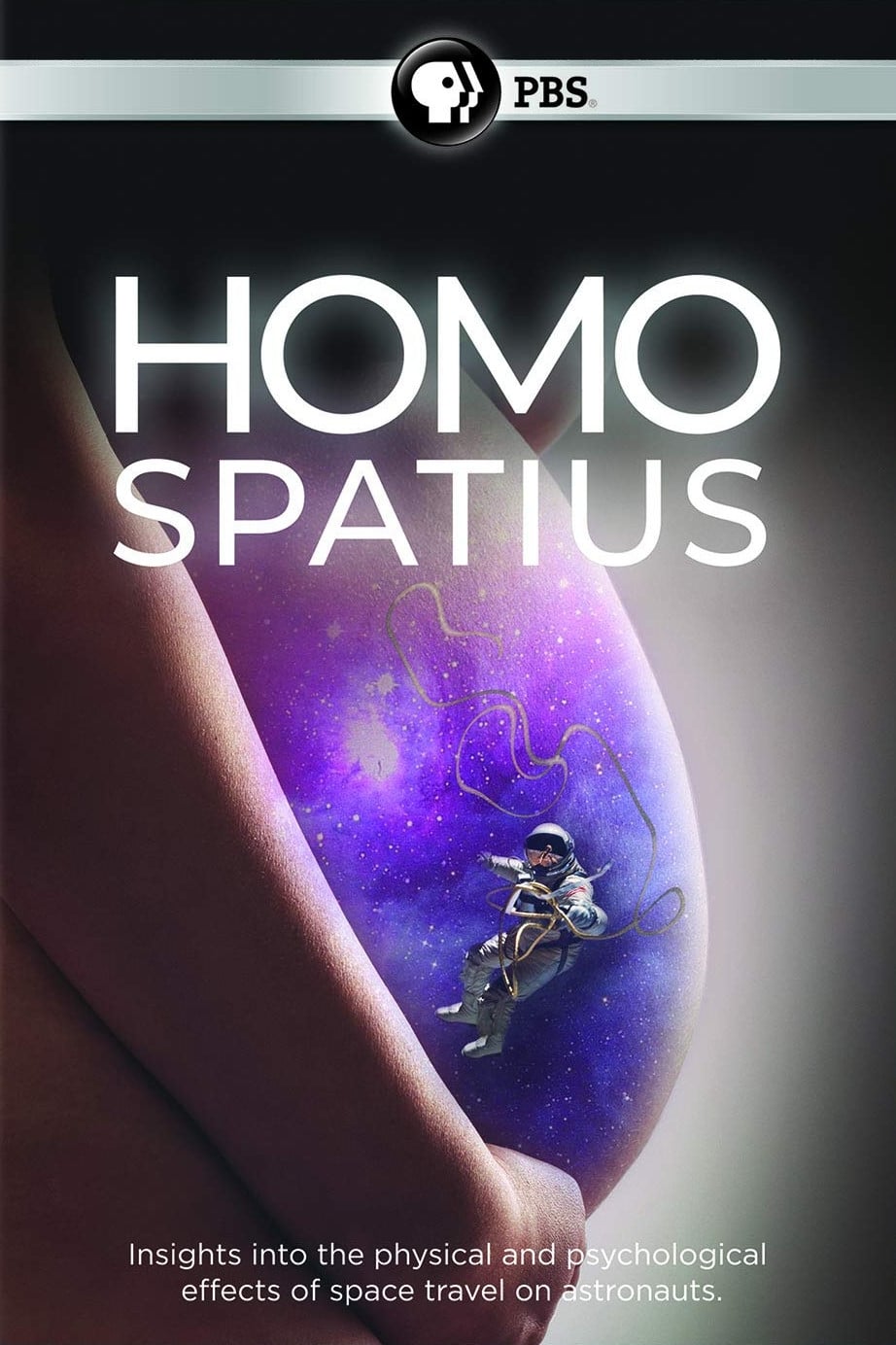
Can Homo sapiens evolve into Homo spatius? For over 50 years now, we have been testing our human nature in our effort to conquer outer space, and still 30 years away from a possible human exploration of Mars, a question remains: Can our body take such travels? Will it ever adapt? Combining human adventure and the exploration of the human body, this film offers unique insights into the physical and psychological effects of space travel on the Astronauts and measures the impact on medical sciences.