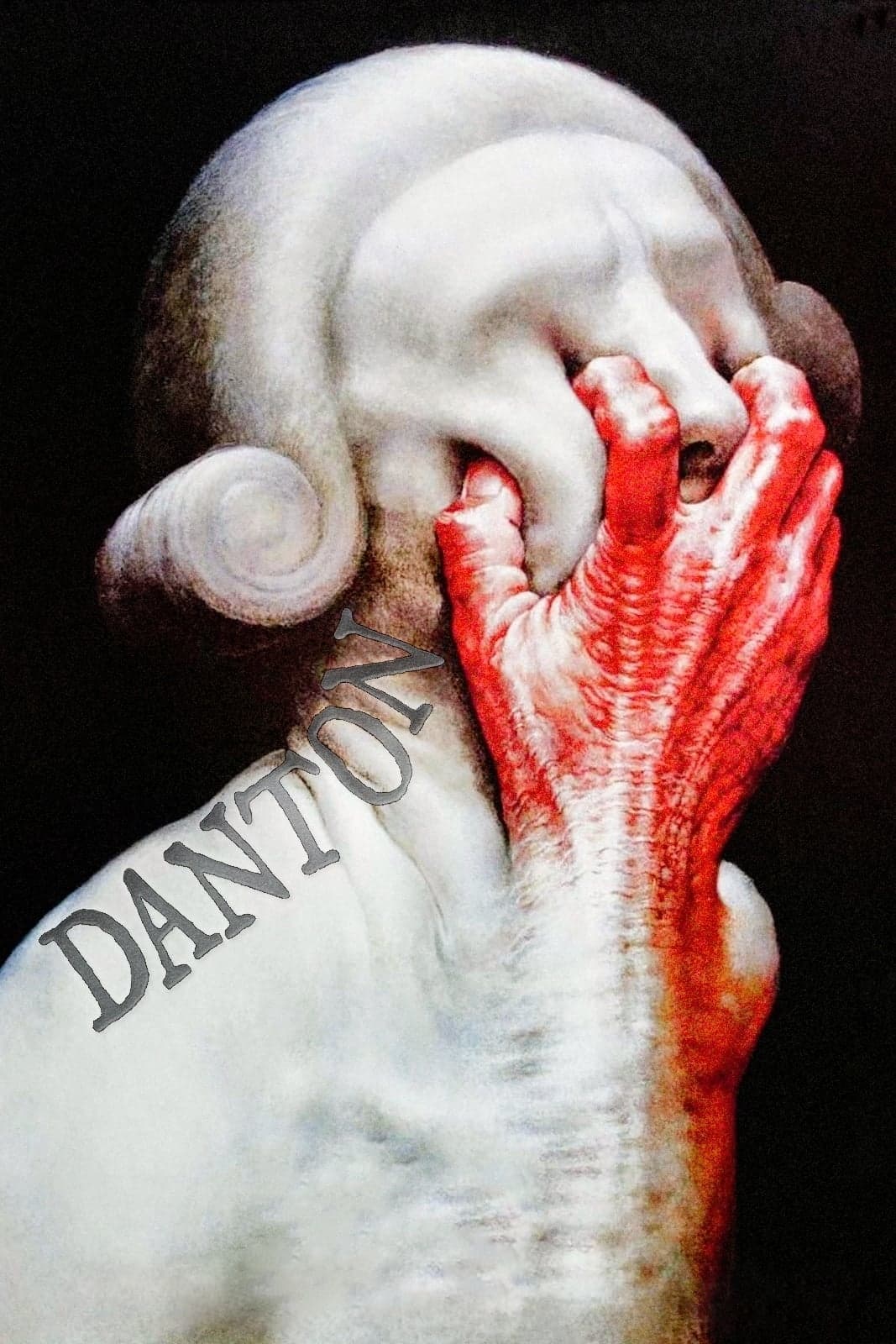
Danton (1983) character relationship network mapped with AI analysis. Explore the connections, alliances, and conflicts between characters.
Characters
Georges Danton
(played by Gérard Depardieu) — protagonist
A prominent revolutionary spokesman who returns from rural solitude to challenge Robespierre's authoritarian rule and advocate for the people's rights.
Maximilien Robespierre
(played by Wojciech Pszoniak) — protagonist
France's ruler during 1793 who enforces the Reign of Terror through mass executions to eliminate political opposition and consolidate power.
Camille Desmoulins
(played by Patrice Chéreau) — supporting
A revolutionary figure and political ally of Danton who shares his stance against the authoritarian measures of the Terror.
Lucile Desmoulins
(played by Angela Winkler) — supporting
A woman closely tied to the revolutionary circle, known for her close personal connection to Camille Desmoulins.
François Héron
(played by Alain Macé) — supporting
A political associate of Danton who becomes a target in the regime's crackdown on opposition.
Canonical Relationships
Family, romantic, and professional connections based on plot evidence.
Maximilien Robespierre → François Héron
(Power Political Superior) — Robespierre directs state action involving Héron and later turns against him.
Robespierre instructs Héron to destroy Desmoulins's print shop and later orders the arrest of Danton, Desmoulins, Héron, and their associates.
Camille Desmoulins → Lucile Desmoulins
(Romantic Spouses) — Lucile's intervention directly reflects her personal bond with Camille.
Lucile Desmoulins visits Robespierre and begs him to stay because she wants her husband to live.
Story Dynamics
Alliances, conflicts, and narrative interactions that evolve throughout the story.
Georges Danton → François Héron
(Conflict Political Adversaries) — Danton actively targets Héron's policing role during the political confrontation.
Danton asks his supporter to denounce Héron and the secret police in the National Convention, leading to Héron's arrest.
Lucile Desmoulins → Maximilien Robespierre
(Social Desperate Interlocutors) — Lucile appeals to Robespierre personally during the political crisis.
Lucile asks Robespierre to remain at the house and talk sense into Camille because she wants Camille to survive.
Camille Desmoulins → Maximilien Robespierre
(Conflict Political Enemies) — Robespierre treats Desmoulins's publishing as a threat to the regime.
Robespierre orders the destruction of Desmoulins's print shop and later tries unsuccessfully to persuade him that Danton is exploiting him.
Georges Danton → Camille Desmoulins
(Alliance Political Allies) — Desmoulins supports Danton's political campaign through journalism.
Desmoulins publishes pro-Danton circulars through his printing business and shares Danton's opposition to the authoritarian Terror.
Georges Danton → Maximilien Robespierre
(Conflict Political Rivals) — Their political struggle drives the film from attempted negotiation to execution.
Danton returns to Paris as a popular critic of the Terror, while Robespierre moves to suppress him and later declares him an enemy of the Republic.
Story Analysis
The film follows the fatal struggle between revolutionary popularity and authoritarian political control during the Reign of Terror.
Plot Progression
A Popular Threat Returns
— Danton returns to Paris and is welcomed by hungry citizens. Robespierre recognizes that Danton's popularity threatens the authority of the Terror.
Failed Reconciliation
— Danton rejects a coup but attacks the secret police politically. Robespierre attempts to win Danton over during a private dinner and fails.
The Arrests Begin
— Robespierre confronts Desmoulins and then authorizes a sweeping arrest order. Danton accepts arrest, trusting his eloquence and the people's affection.
A Trial Without Justice
— The Revolutionary Tribunal proceeds despite weak legal support. Danton's interruptions expose the proceedings as a political performance until the court is silenced.
The Guillotine and the Ideal
— Danton and the condemned men are executed before silent crowds. Robespierre is left confronting the possibility that dictatorship has destroyed democratic revolutionary ideals.