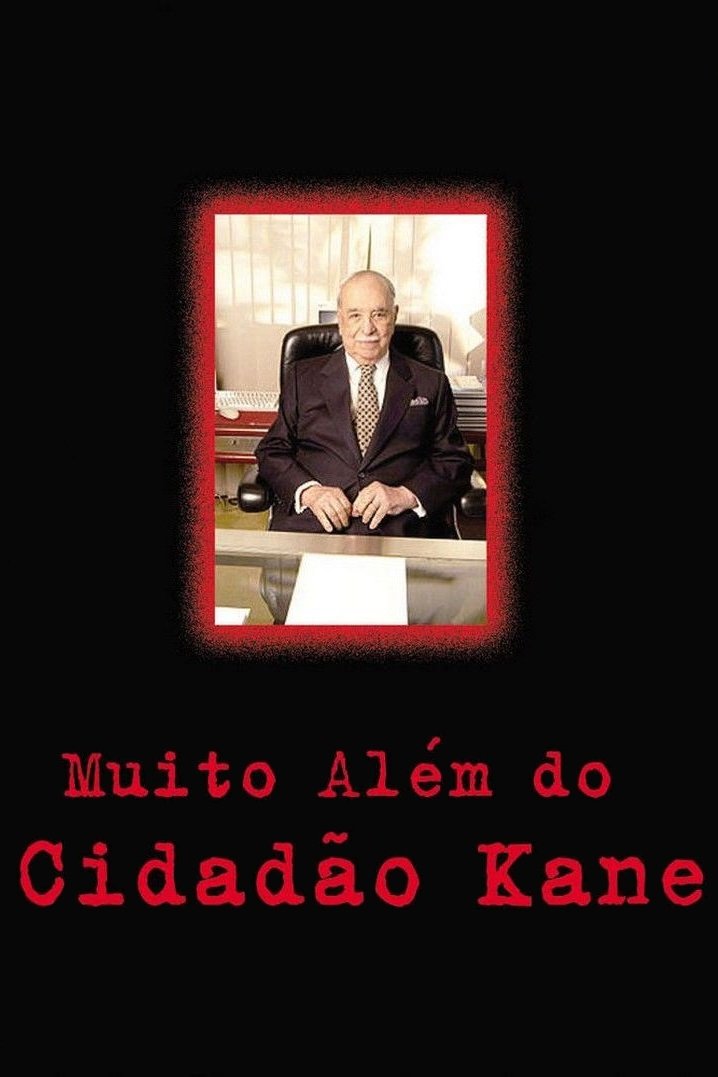
Beyond Citizen Kane (1993) — AI Story Visualization
Plot Analysis Summary
An investigative documentary exposing Globo's political alliances, media manipulation, and historical ties to Brazil's military regime.
Story Structure — 4 Plot Phases
The Kane Parallel
Introduces the documentary's core thesis, comparing Globo founder Roberto Marinho to Charles Foster Kane, while establishing Globo's historical backing of the Brazilian military regime.
Key Events
Documentary Premise — Introduces Globo's historical role and political ties
Location: Studio
Kane Comparison — Compares Marinho to fictional tycoon Kane
Location: Narrative Voiceover
Military Regime Support — Tracks Globo's backing of the dictatorship
Location: Archival Footage
Time-Life Partnership — Details illegal 1960s media partnership
Location: 1960s Brazil
Globo Headquarters — Central hub for network operations
Location: Rio de Janeiro
1960s Brazil — Era of military rule and foreign deals
Location: Historical Setting
Political Maneuvers & Deals
Explores illegal partnerships with Time-Life, ties to Minister Magalhães, and the controversial NEC Corporation contract, highlighting the network's corporate-political entanglements.
Key Events
Time-Life Partnership — Details illegal 1960s media partnership
Location: 1960s Brazil
Magalhães Connection — Reveals ties to Telecommunications Minister
Location: Political Circle
Jornal Nacional Editing — Shows edited debate footage favoring Collor
Location: TV Studio
1989 Election Campaign — Critical period for media influence
Location: Political Arena
Jornal Nacional — Prime time news program used for manipulation
Location: Broadcast Platform
Media Manipulation Exposed
Focuses on the edited 1989 presidential debate favoring Collor de Mello, featuring interviews with politicians and cultural figures who critique the network's editorial control.
NEC Corporation Deal — Examines controversial share and contract deal
Location: Corporate Office
Brizola Interview — Former politician discusses media influence
Location: Interview Set
Buarque Testimony — Singer-songwriter critiques cultural impact
Location: Interview Set
Falcão & Lula Insight — Former minister and future president share perspectives
Location: Interview Set
NEC Shares — Key asset in controversial corporate deal
Location: Financial Documents
Legacy & Reflection
Concludes with testimonies from former employees, draws parallels to Hearst and Welles, and assesses the long-term impact of Globo's media dominance on Brazilian democracy.
Key Events
Falcão & Lula Insight — Former minister and future president share perspectives
Location: Interview Set
Former Employees Speak — Ex-staff reveal internal editorial pressures
Location: Interview Set
Hearst Parallel — Draws line from Hearst to Kane to Marinho
Location: Historical Archive
Media Manipulation Thesis — Synthesizes findings on press control
Location: Narrative Summary
Political Legacy Review — Assesses long-term democratic impact
Location: Modern Brazil
Documentary Conclusion — Closes with reflection on media power
Location: Final Montage
Story Breakdown
Historical Context & Comparison — Establishes the documentary's framing device and initial political backdrop.
Kane Analogy Setup — Introduces the fictional tycoon comparison to Marinho.
Military Regime Backing — Details Globo's early support for the dictatorship.
Corporate & Political Alliances — Examines the network's strategic partnerships and government ties.
Time-Life Partnership — Reveals the covert 1960s media collaboration.
Magalhães Ministerial Ties — Explores connections with the Telecommunications Minister.
Media Manipulation Tactics — Focuses on editorial control and broadcast interference.
Jornal Nacional Editing — Shows how prime time news was strategically altered.
1989 Debate Interference — Highlights the deliberate favoring of Collor de Mello.
Controversial Financial Deals — Investigates disputed corporate transactions and contracts.
NEC Corporation Shares — Analyzes the disputed foreign share acquisition.
Government Contract Links — Traces the network's ties to state funding.
Witness Testimonies — Gathers perspectives from political and cultural figures.
Political Figures Interviews — Features insights from Brizola, Lula, and Falcão.
Former Staff Revelations — Includes internal accounts from ex-employees.
Cultural & Historical Parallels — Connects the narrative to broader media history.
Hearst & Welles Origins — Traces the fictional and real-life inspirations.
Yellow Journalism Legacy — Discusses the enduring impact of press exploitation.
Democratic Impact Assessment — Evaluates the long-term consequences on Brazilian society.
Long-term Media Influence — Assesses how Globo shaped public discourse.
Brazilian Political Legacy — Reviews the network's role in modern democracy.
Beyond Citizen Kane (1993) is a British documentary film directed by Simon Hartog, produced by John Ellis, and broadcast on Channel 4. It details the dominant position of the Rede Globo media group in the Brazilian society, discussing the group's influence, power, and political connections. Globo's president and founder Roberto Marinho came in for particular criticism, being compared with fictional newspaper tycoon Charles Foster Kane, created by Orson Welles for the 1941 film Citizen Kane. According to the documentary, Marinho's media group engages in the same Kane wholesale manipulation of news to influence the public opinion.